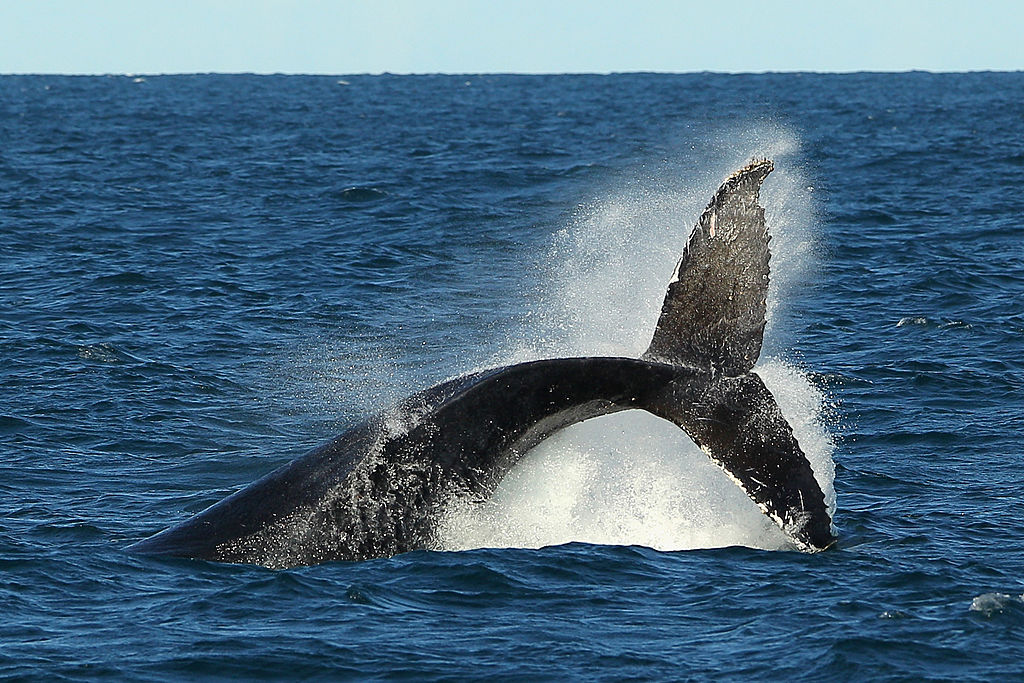

Western Australia’s Geographe Bay is home to many things—business, tourism, recreation and perhaps most precious of all, it’s a birthing ground and nursery for Australian whales.
But locals fear all this could be lost if plans go ahead for the three schemes slated for the Bunbury Offshore Wind Zone.
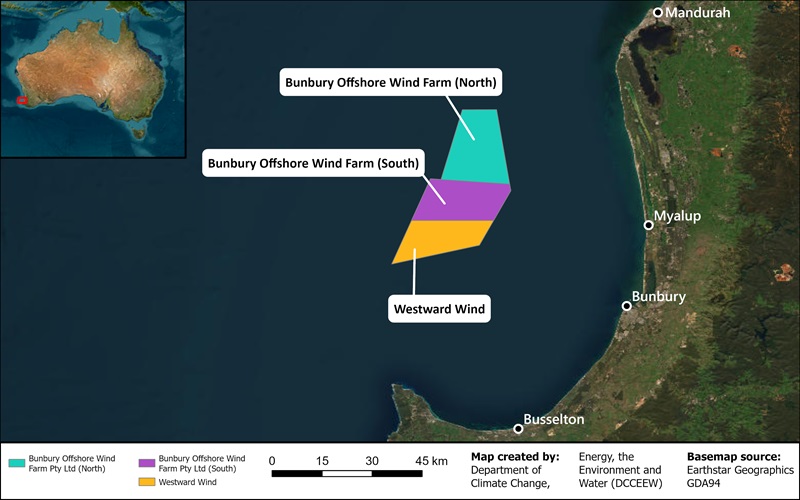
The Wind Zone, about 10 times the size of Singapore, lies to the southwest of Perth and along the entrance of Geographe Bay.
The foreign state-owned French Energy Company has two projects planned in the area along with one backed by a partnership between the Portuguese EDP and France’s Engie Co.
Each project is expected to build around 200-270 offshore turbines, with the Leeuwin Offshore Wind Project to be the first cab off the tank.
Overall, the federal government estimates it will power 2.7 million homes and provide 2,500 jobs during construction and another 1,000 ongoing positions.
“In Bunbury, offshore wind has huge potential for jobs, new industry, and clean, reliable renewable energy in the regions which have powered Australia for generations,” said federal Climate Minister Chris Bowen, in a statement last month.
“Western Australia needs some 50 GW of additional generation by 2042, and we’re getting to work making sure that we deliver the new clean energy, and the good jobs, the West needs.”
Turbine Sounds Could Interfere With Whale Communication: Campaigner
Opponents of the project say the area is a type of marine “super highway” for both humans and animals.
“Whales are being born in Geographe Bay in the exact area where the turbines are going to be built,” says Martine Shepherd, campaign coordinator at Save Our Beloved Geographe Bay, in an interview with The Epoch Times.
Whale calves are often born in the shallower waters of the bay as they provide a safe haven from predators.
The former environmental worker says the low frequency humming from wind turbines could disturb the echolocation, and small electricity pulses from cables could also leech into surrounding waters impacting small filter feeders.
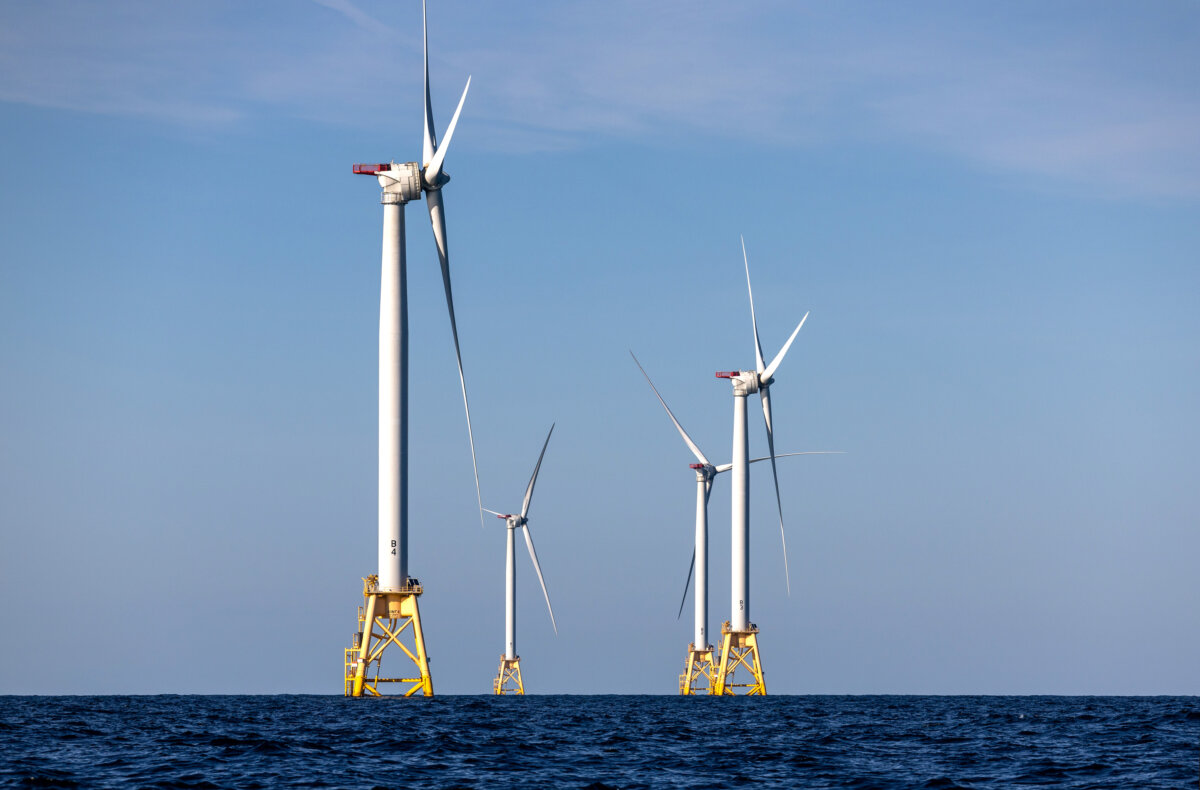
Shepherd fears sound interference could disturb a mother whale’s “whispering” to her calf and create higher stress levels.
In the United States, similar concerns have also been shared with Rich Hittinger, a former member of the Rhode Island Fisherman’s Advisory Board, saying there is uncertainty about the full impact of offshore wind farms on whale-to-whale sonar communication.
“Fish don’t have ears the way that mammals do, but they do have sound receptors,” Hittinger previously told The Epoch Times.
“They have a lateral line that’s very sensitive to sound and vibration. So some of them can actually be injured, and some of them can be killed, with the level of sound that’s going to be produced during construction.”
That’s also a concern shared by Shepherd who warns the surveying work, pile-driving, and drilling metres into limestone reef will take its toll.
“We’re only just coming back from whaling,” Shepherd said. “We can do better.”
Studies into ‘Kill Zone’ Not Concrete
Another concern is the lack of information on what is considered a safe buffer zone for wildlife around wind farm projects.
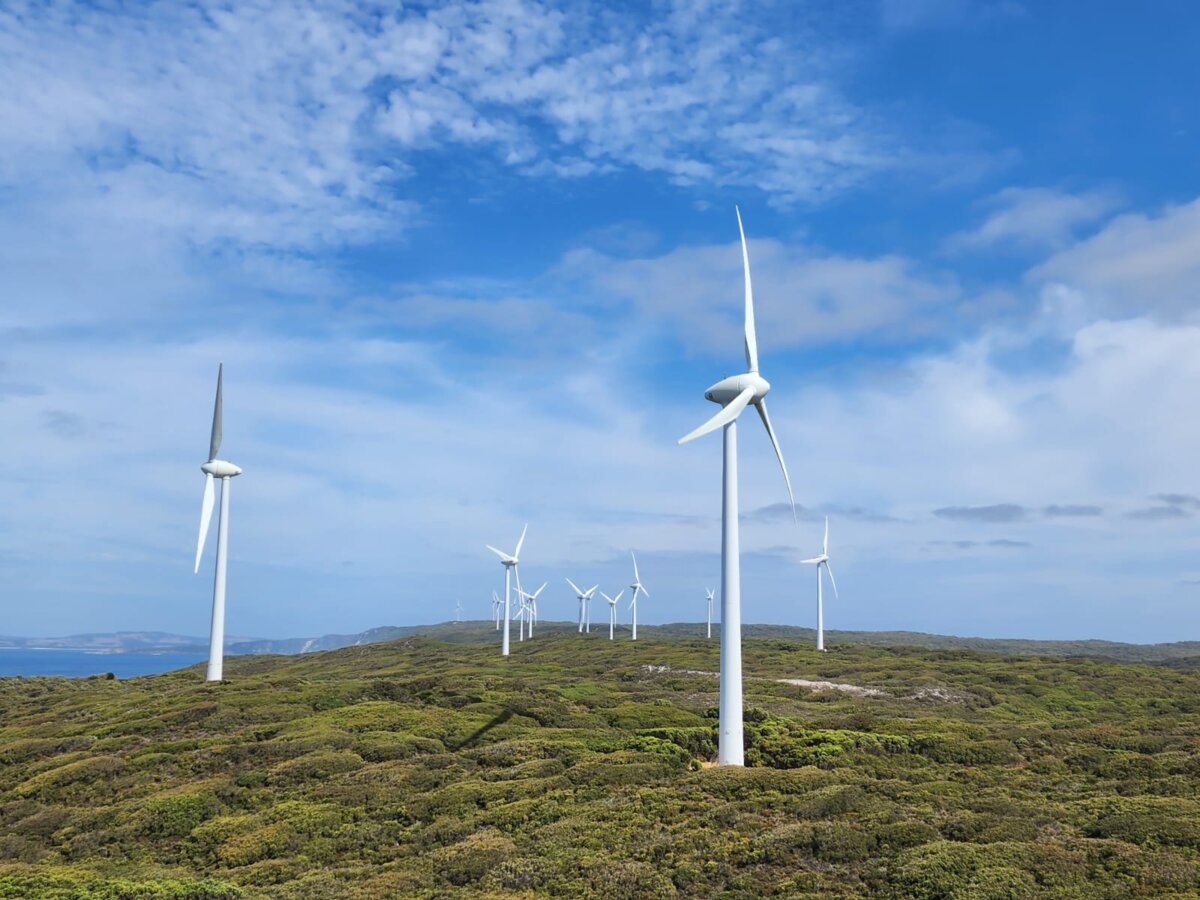
On land, wind farms are subject to a 4 kilometre “kill zone,” the most dangerous area for wildlife, but for offshore turbines that may differ given the larger turbines and blade diameters.
“The kill zone could easily bump out to 5-6 kilometres,” Shepherd said.
Geographe Bay is a hub for recreational boating, whale watching, and commercial seafood industries, including a thriving rock lobster industry.
The Bay is also home to the 1,841 metre-long Busselton Jetty—a major tourist attraction and the longest wooden jetty in the Southern Hemisphere—and is in the path of the Leeuwin Current, which flows from north to south, a unique phenomenon that brings warm water and myriad sea life in its wake.
The Epoch Times contacted the Department of Climate Change and the Environment for additional comment in regards to these concerns.
Local Deputy Mayor Says Project Could Impact Tourism Sector
The city of Busselton sits on the shore of Geographe Bay, and local Deputy Mayor Anne Ryan knows better than most the massive benefit the tranquil waters have to her region’s economy.
Around 20-22,000 people travel to the bay every year for whale watching, with each cruise company netting around a million dollars in direct income annually.
Meanwhile, larger cruise liners in Busselton can bring in $250,000 or more a day, with small business dependent on the income from visitors.
“There is no way to mitigate the negative and irreparable impact to the marine area which brings sailing, fishing, boating and holiday enthusiasts all year round to Busselton,” Ryan told The Epoch Times.
“Once the reefs are impacted and the excess deaths of whales (as has occurred off the USA and UK coast lines), fish, and bird life, along with the loss of this pristine beauty, we can never get it back.
“Seafood and commercial fisheries will be pushed out and access to sustainable local caught fish will be impacted.”
Ryan says the consultation process was not conducted with “any degree of integrity and transparency.”
Group Says Climate Change the Bigger Threat
There are, however, supporters of the projects.
Additionally, the Bunbury Geographe Economic Alliance says with coal-fired power winding down, there is a gap that will need to be filled to satisfy demand.
“The offshore wind industry will bring billions of dollars of investment to the region and a range of job and business opportunities to local towns for the long term,” the group said in a statement.
The group conceded offshore wind would have an impact on the marine environment, but said the greater threat was climate change.
“Ocean warming and sea level rise are just some of the impacts that are already having significant impacts on our marine and coastal environments,” they said.
“The science is globally accepted and the urgency can’t be understated.”
Ongoing Political Stoush
During the election, former Opposition Leader Peter Dutton pledged to scrap the Wind Zone if he won power.
Since the election, federal Liberal MP for Forrest Ben Small has continued the campaign, starting a petition.
“Imagine hundreds—if not thousands—of turbines, each taller than Perth’s tallest skyscraper dotting our horizon,” he said.
“Labor’s proposal also imposes vast exclusion zones that would stop us from engaging in the activities that are the lifeblood of our community—fishing, boating, and diving.”
Small says he is still waiting for answers about wildlife concerns.
Meanwhile, One Nation Senator Tyron Whitten also criticised the marine surveys being carried out in preparation of construction.
“No one wants this offshore wind farm in Geographe Bay except the usual zealots for renewables,” he said in a statement.
“The potential of this project to destroy the ecology of the area, destroy the local fishing industry and harm wildlife including endangered and vulnerable species cannot be underestimated.”
 Friends Read Free
Copy
Facebook
Tweet
Friends Read Free
Copy
Facebook
Tweet