
Manitoba has declared a public health emergency amid a sharp rise in HIV cases in the province.
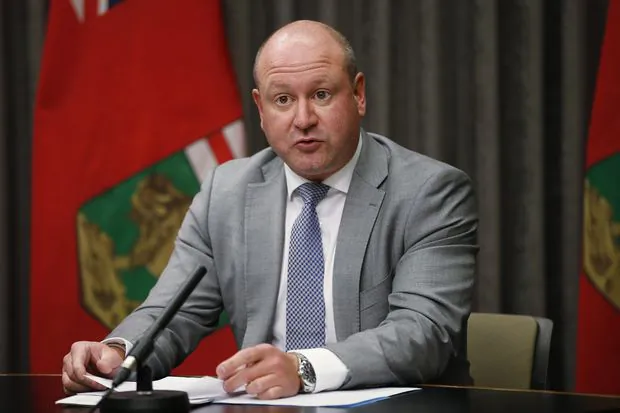
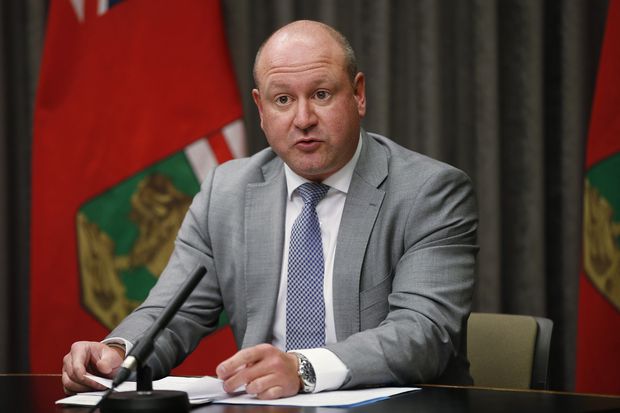
New cases of human immunodeficiency virus surged about 130 percent to 328 in 2025, up from 142 in 2021, Chief Provincial Public Health Officer Brent Roussin said on May 7.
The government will pursue “a more coordinated provincial response,” Roussin said at a news conference in Winnipeg, focused on raising awareness, expanding access to testing and prevention, and improving connections to care and treatment.
The surge is being driven by injection drug use, homelessness, mental health issues, a rise in other sexually transmitted and blood-borne infections, as well as barriers to accessing care, he said.
The province is forming an HIV Response Steering Committee with federal, indigenous, and community partners to implement recommendations and guide response efforts, according to a May 7 provincial government press release.
The government also plans to expand targeted support in areas with rising cases, and strengthen prevention measures through expanded testing, improved links to care, and support for people living with HIV. It has also pledged to increase access to pre-exposure prophylaxis (PrEP), a medication taken by individuals who don’t have HIV to reduce their risk of infection.
As of 2024, Manitoba already had one of the highest HIV rates in Canada, at about 19.5 cases per 100,000 people, more than three times the national average.
Indigenous people accounted for the highest number of new cases, the province said, adding that indigenous community members would be integral to the success of initiatives to combat the emergency.
Women account for more than half of cases in the province, compared to about 32 percent across Canada, according to the release. Health officials said the outbreak has also affected newborns, citing two cases of perinatal transmission in 2024 and 2025 in which infants were born with HIV. The last case before that had occurred in 2021.
Most newly diagnosed women are under the age of 40, raising concerns about further perinatal transmission. Officials also say stigma and misinformation continue to discourage testing and treatment.
Since 2023, the province has invested an additional $8 million annually to improve access to treatment and prevention, including free HIV medications and PrEP, expanded indigenous-led services, more public health staff, and the PATHS program for treatment and support, the province said.
“I want to emphasize here that HIV is preventable and it’s treatable,” Roussin said. “We have effective tools available for prevention, such as things like condoms, harm reduction services, and we have medications for both pre-exposure and post-exposure prophylaxis, again, covered for eligible Manitobans.”
 Friends Read Free
Copy
Facebook
Tweet
Friends Read Free
Copy
Facebook
Tweet