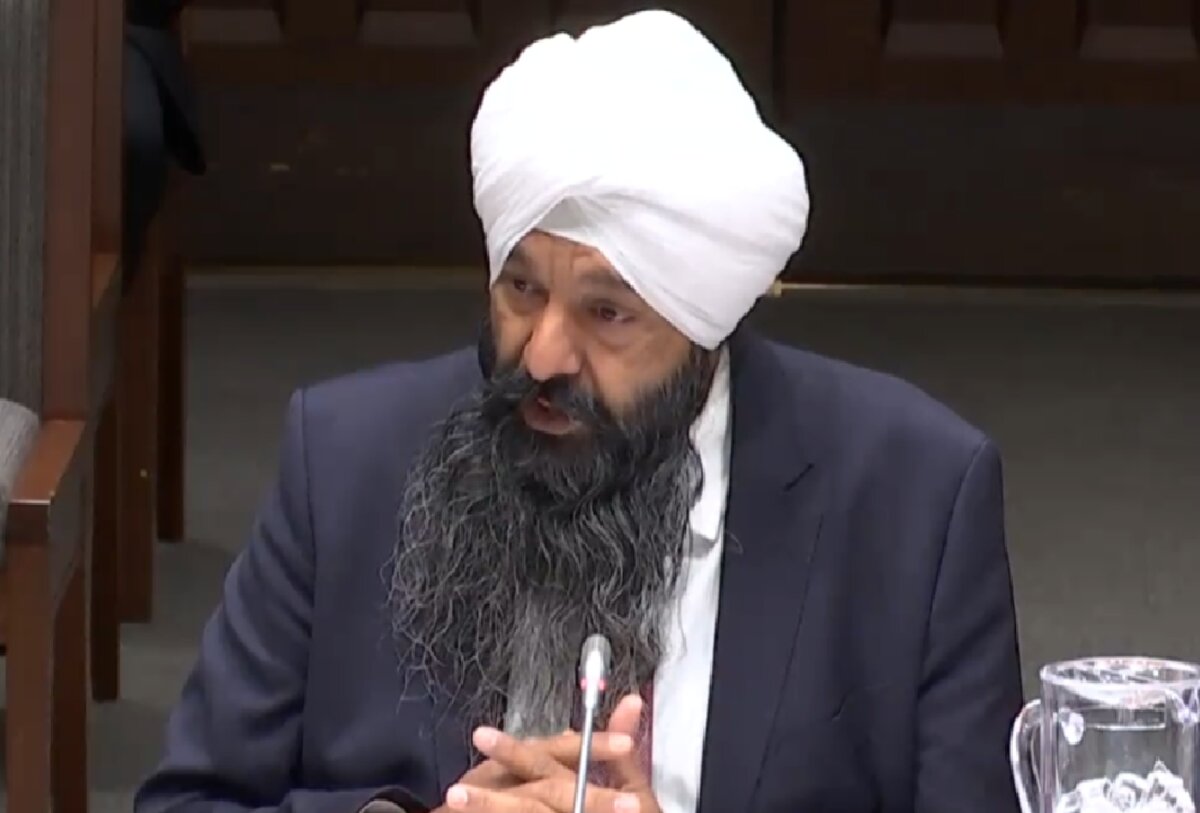
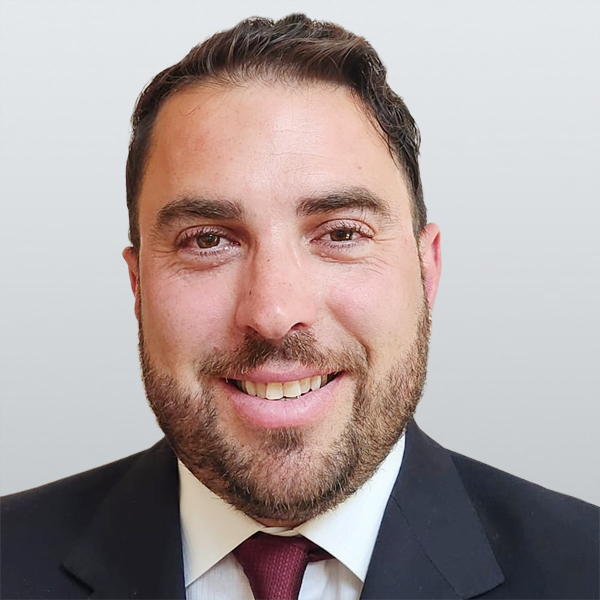
Canada’s head of foreign aid defended his department’s record before the House Committee on Foreign Affairs and International Development, saying various programs characterized as extraneous by some opposition MPs are doing necessary and helpful work in foreign nations.
When asked by Conservative MP Lianne Rood about what benefits Canadians are getting as a result of the $8.4 billion spent in foreign aid, Secretary of State for International Development Randeep Sarai said Canada’s programs and funding are carefully vetted before being given the green light and are benefitting Canada’s “soft power” around the world.
Rood asked, “Much of it is going to projects with names like ‘Beans for Women’s Empowerment’ or ‘Gender-Just, Low-Carbon, Rice Value Chains,’ or being funneled through organizations like the U.N. or the World Bank. What return on investment or outcomes can Canadians see coming from this that improves their lives?”
Conservative Leader Pierre Poilievre previously criticized Ottawa for committing $8.2 million to fund a project in Vietnam entitled, “Greening our rice: gender-just, low-carbon, rice value chains in Vietnam.” Poilievre said on Oct. 6, “While you can’t afford food, Mark Carney spends $8.2 million tax dollars on gender-just, low-carbon rice in Vietnam.”
Sarai said that in addition to alleviating poverty, climate change, and gender inequality, Canada’s aid programs help increase the quality and price of products exported to Canada from nations that are helped economically, such as Vietnam in its rice production.
“Look, this is a … nonpartisan file,” Sarai said. “Everyone agrees that we should all focus on making the lives of those that are most in need better.”
“We’re a leader in putting gender equality at the core of our work, because evidence shows that it’s not just the right thing to do, it’s the smart thing to do.”
Sarai said that as multilateral organizations struggled over the past five years, foreign aid and development projects have stalled and sometimes declined around the world. He said Canada will also struggle to achieve the U.N. target of 0.7 percent of gross national income on official development assistance, but added that Canada has a vested interest in more stability and wellbeing in nations around the world.
“Our goal, when it’s international development, is not a dollar-for-dollar return to Canadians,” Sarai said, adding that the increased stability, reduced poverty, and lessened migration to Canada from countries that receive aid are all benefits, as well as stronger trade and soft power ties.
Sarai said he wants to increase the amount of private capital involved in development and aid work, as well as concentrate assistance in parts of the world where Canada’s economic interests are also benefitted, saying this pairing would “create a great brand and reputation.”
Bloc Québécois MP Alexis Brunelle-Duceppe asked how Canada can avoid tying selectively chosen foreign aid to economic interests in a way he said could “weaponize” it.
“The goal is to make sure it’s never weaponized,” Sarai said. “The point is that, as the landscape of the development world is changing, there’s almost a 24 to 30 percent reduction in aid development [from] Germany and France, and massive amounts in the U.S. This is a large void that Canada or other countries cannot fill on their own.”
Conservative MP Tamara Kronis asked Sarai how he measures success in the foreign aid file, to which he responded once again with a mention of economic benefits and stronger trade ties.
Asked whether Canada will renew its commitment to the Global Fund to Fight AIDS, Tuberculosis, and Malaria, Sarai said that remains to be seen. Canada last contributed $1.21 billion to the fund in 2022.
“As the budget is coming out very shortly, we’ll see, and our prime minister will make that commitment shortly,” he said, adding that Canada remains with a “very firm commitment” to its Feminist International Assistance Policy. The policy, introduced in 2017 under the Trudeau government, requires 95 percent of Canada’s bilateral aid investments to take gender equality into account in funding decisions.
Asked by Conservative MP Gérard Deltell about funding for demining work in Ukraine that takes gender into account, Sarai said he has met the organization involved, and was told women are better at doing the job due to “their natural intrinsic nature to demine.”
 Friends Read Free
Copy
Facebook
Tweet
Friends Read Free
Copy
Facebook
Tweet