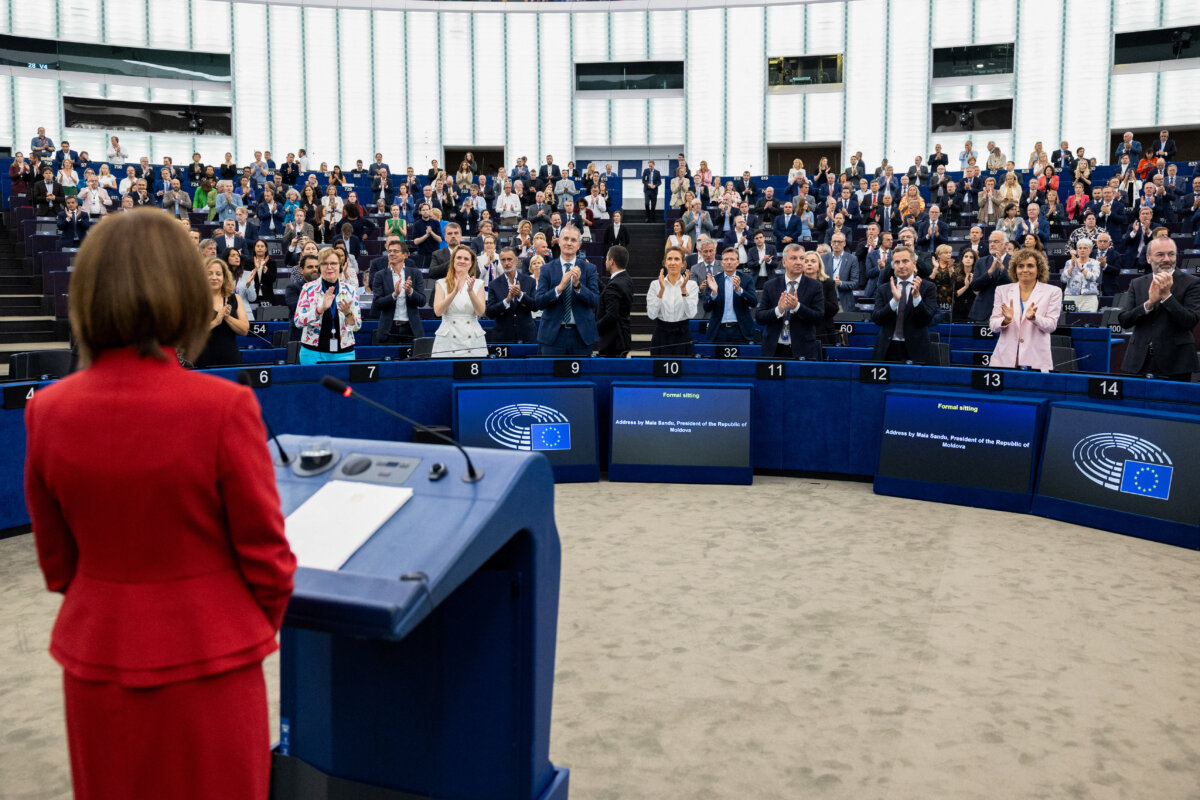

Moldovan President Maia Sandu has accused Russia of threatening the independence of the country by attempting to influence the result of this weekend’s pivotal parliamentary elections.
Sandu, who is pressing for her country to join the European Union, delivered a speech on Sept. 23 alleging Russian meddling in the former Soviet Union state after police arrested dozens of people accused of involvement in a plot to stoke violent disorder in advance of the Sept. 28 election.
Following a series of raids across the country on Sept. 22, Moldovan police said that some of the 74 people arrested had travelled to Serbia for training by Russian instructors, including with firearms.
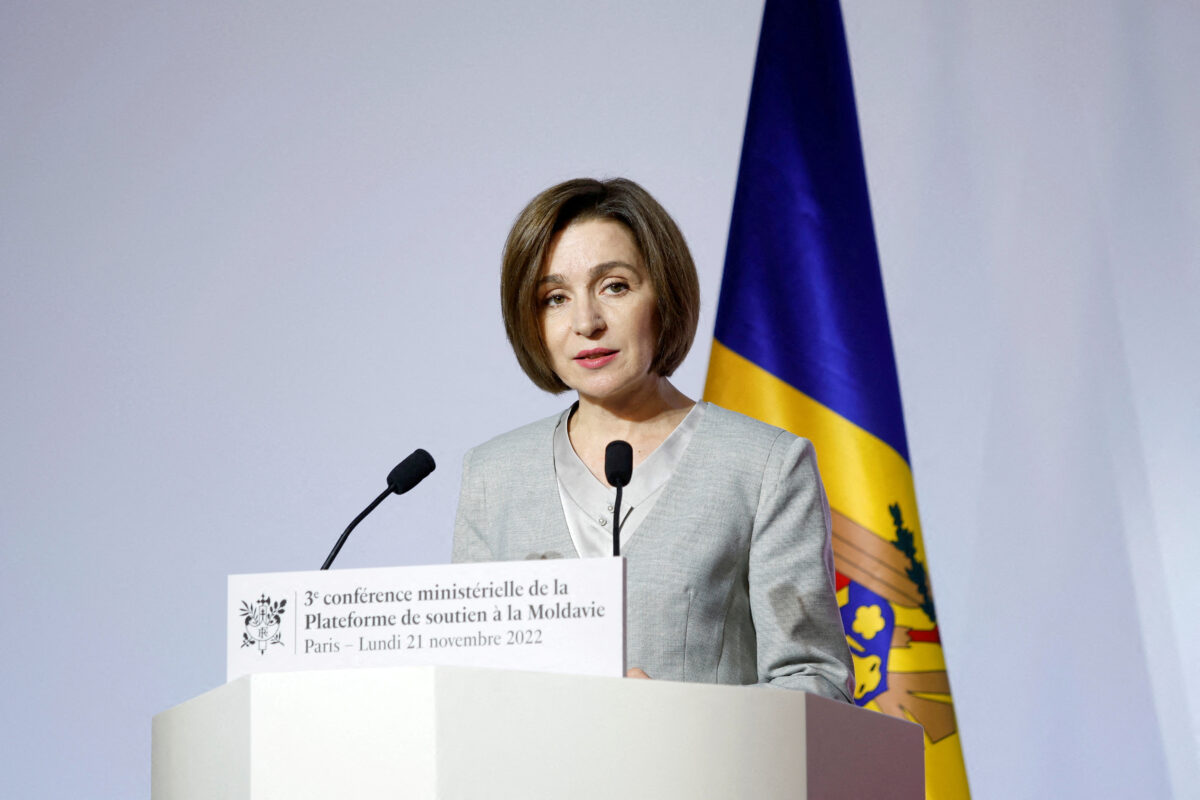
In an address to the nation—the second poorest in Europe after Ukraine, based on per capita gross domestic product—Sandu accused the Kremlin of “pouring hundreds of millions of euros” into Moldova in an attempt to provoke violence and spread disinformation.
“The Kremlin believes that we are all for sale. That we are too small to resist. That we are not a country, only a territory,” the president said.
“But Moldova is our home. And our home is not for sale.”
‘Dozens of Lies’
Sandu, a former employee of the World Bank, added: “People are intoxicated daily with dozens of lies. Hundreds of people are paid to cause disorder, violence, and scare the world.
“I address all citizens: let us not allow the country to be handed over to foreign interests.”
The Kremlin has consistently denied any such interference, and pro-Russian parties in Moldova have accused Sandu, who has been president since 2020, of trying to sway the vote with false allegations.
Moldova is a landlocked country bordered by Romania and Ukraine.
It has a complex political history, and its population of about 2.5 million is made up of several different ethnic groups, including the majority Moldovans, Romanians, and Russians.
The official language is Romanian.
The country declared its independence following the break-up of the USSR in 1989, but has a significant Russian-speaking population, with the Kremlin’s influence in Moldovan politics continuing.
Path to EU Membership
Moscow has troops stationed in the largely Russian-speaking region of Transnistria, which broke away from Moldovan control following a brief war in the early 1990s.
Sandu used her speech to urge Moldovans to vote for her Party of Action and Solidarity (PAS) in the Sept. 28 election, where pro-Russian candidates are expected to poll well, potentially derailing the move toward the EU.
Last year, Moldovans voted narrowly in favor of securing the country’s EU path and elected Sandu to a second term in a separate presidential election.
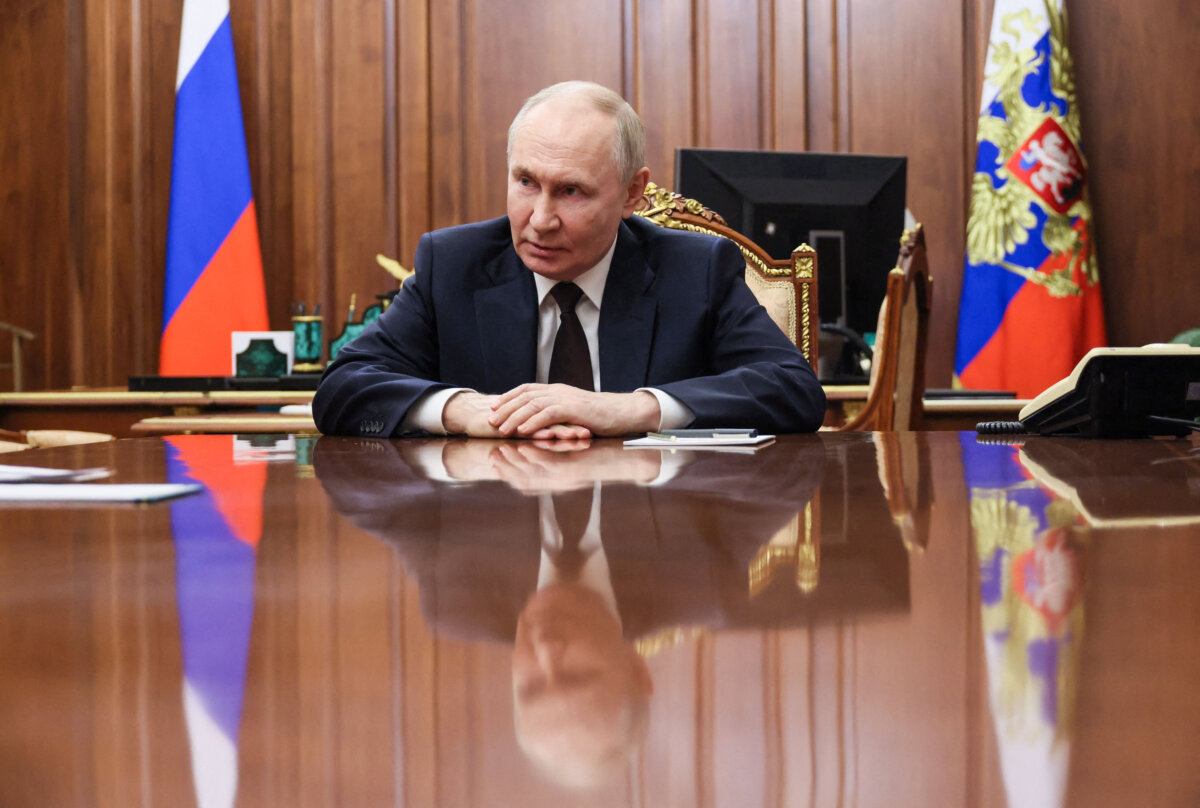
With Russian President Vladimir Putin opposed to EU expansion into the former Eastern bloc countries, both of those votes were overshadowed by claims of Russian interference, which Moscow denied.
PAS was founded by Sandu as an anti-corruption and pro-democracy party that would balance relations with both the West and with Russia.
Since the conflict between Russia and Ukraine escalated in 2022, Moldova’s pro-Western and pro-Russian factions have become increasingly polarized.
Moldova applied to join the EU immediately following Putin’s invasion of Ukraine, with Brussels agreeing to open accession negotiations last year.
Following the Sept. 22 arrests, Moldova’s anticorruption agency said it carried out more than 30 raids and detained one person on Sept. 23 over the financing of a political party allegedly linked to Russia through cryptocurrencies.
Russia Response
Russia’s Foreign Intelligence Service said in a statement on Sept. 23 that European politicians were attempting to ensure Moldova stayed in line with its own “Russophobic policies.”
“They plan to do this at any cost,” the statement said.
It also accused European officials of attempting to falsify votes in the upcoming parliamentary election.
“Euro officials fear that the crude falsifications of the election results being prepared by Brussels and Chisinau will drive desperate Moldovan citizens to take to the streets to defend their rights,” the Russian statement said.
“In that case, at the request of President Sandu, the armed forces of European states would be tasked with forcing Moldovans to submit to dictatorship under the banner of Euro-democracy.”
The Associated Press contributed to this report
 Friends Read Free
Copy
Facebook
Tweet
Friends Read Free
Copy
Facebook
Tweet