
At a meeting of the United Nations Security Council on Sept. 22, Britain and the United States accused Russia of repeatedly breaching NATO airspace—an allegation Moscow denies.
Addressing the council, UK Foreign Secretary Yvette Cooper said Russia had taken “reckless actions,” risking “armed confrontation between NATO and Russia.”
The meeting was held to discuss claims by NATO member Estonia that Russian military aircraft encroached on its airspace last week.
According to Western officials, the incident was intended to test NATO’s defense posture and ability to respond.
“Our alliance is defensive,” Cooper said, addressing Russia’s U.N. delegation.
“But be under no illusion,” she added. “We stand ready to defend NATO’s skies and NATO’s territory.”
Her remarks were echoed by Michael Waltz, Washington’s newly appointed U.N. envoy, who said the United States and its allies were prepared to “defend every inch of NATO territory.”
In response, Dmytry Polyanskiy, Moscow’s deputy U.N. envoy, said that there was no evidence Russian aircraft had breached Estonia’s airspace.
“We won’t be partaking in this theater of the absurd,” Polyanskiy said. “When you decide that you want to engage in a serious discussion about European security … we’ll be ready.”
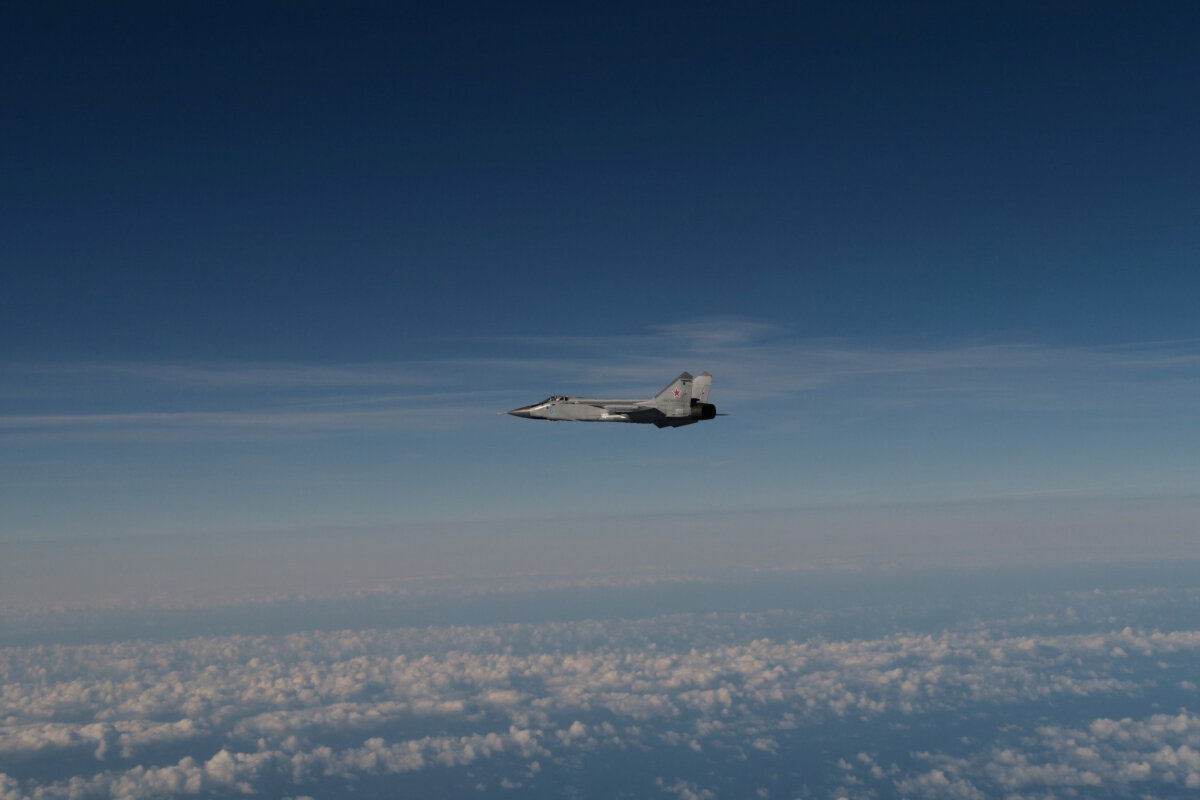
On Sept. 19, Estonia said that three Russian MiG-31 fighter jets had entered its airspace for 12 minutes before being forced to withdraw by NATO aircraft.
Tallinn described the Russian incursion as “unprecedentedly brazen.”
The next day, Russia’s defense ministry said the three MiG-31s had conducted a “scheduled flight” from northwestern Russia to Russia’s Kaliningrad exclave.
“The Russian aircraft did not deviate from the agreed route and did not violate Estonian airspace,” the ministry said on its Telegram channel.
On Sept. 22, a Kremlin spokesman said Moscow had yet to receive “any credible data from Estonia supporting these claims.”
“Such rhetoric only serves to heighten hostility and foster a confrontational environment,” he said in remarks cited by Russia’s TASS news agency.
Nevertheless, on Sept. 23, NATO convened its North Atlantic Council—in line with Article 4 of its founding charter—to discuss the incident.
“Russia bears full responsibility for these actions, which are escalatory, risk miscalculation, and endanger lives,” the council said in a statement.
“NATO and Allies will employ … all necessary military and non-military tools to defend ourselves and deter all threats from all directions,” it added.
Warning From Warsaw
The violation of Estonian airspace occurred 10 days after a similar incident in Poland.
On Sept. 9 and 10, Poland, with the help of several NATO allies, downed a number of unidentified drones that had flown over its eastern border.
While Moscow denies any involvement, Warsaw and other Western capitals say the drone incursion was a deliberate provocation by Russia.
Two days after the incident, NATO announced the launch of a major operation aimed at defending its eastern flank.
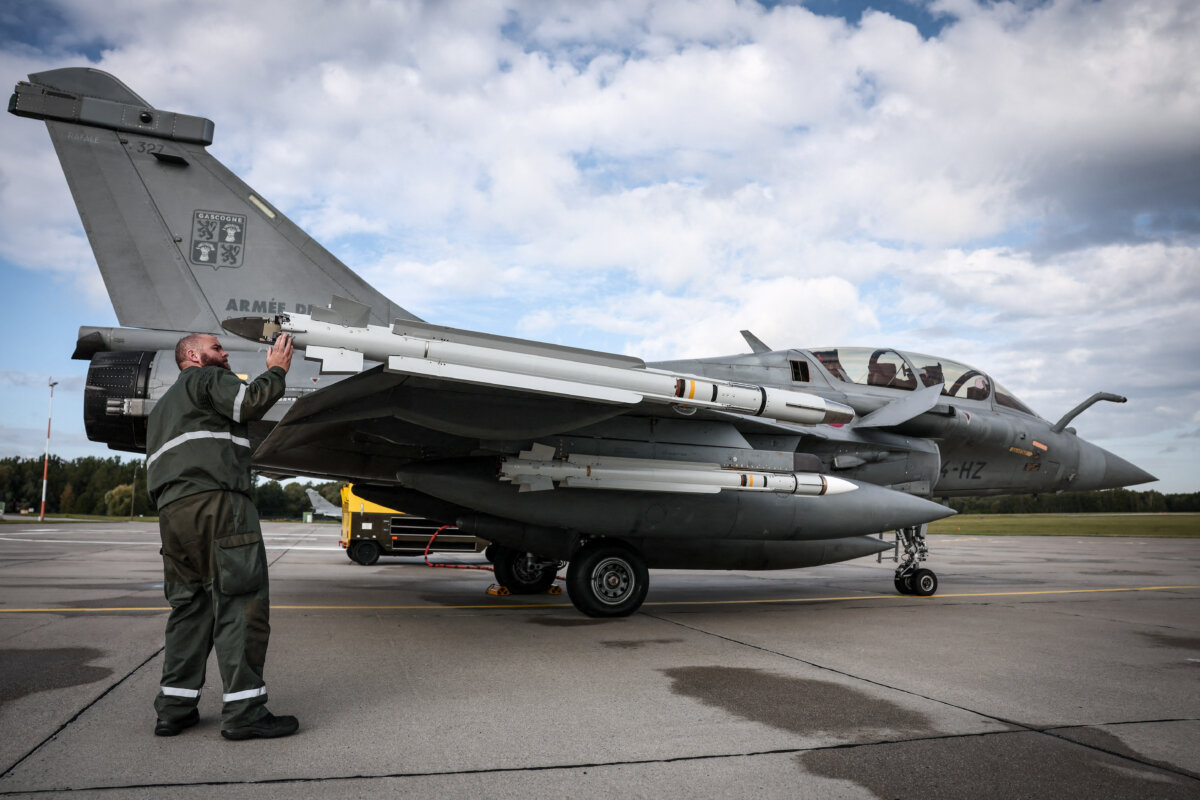
According to NATO chief Mark Rutte, the operation—dubbed Eastern Sentry—involves military assets from Britain, France, Denmark, Germany, and other alliance members.
On Sept. 20, London announced that British fighter jets had begun flying sorties in the skies over Poland as part of the operation.
In a statement, UK Defense Minister John Healey said the sorties were meant to deliver a “clear signal” that “NATO airspace will be defended.”
On Sept. 22, Poland issued a warning that it would shoot down any objects that entered its airspace without permission.
“We will take the decision to shoot down flying objects when they violate our territory,” Polish Prime Minister Donald Tusk told reporters.
He also urged Moscow to “think twice before deciding on actions that could trigger a very acute phase of conflict.”
“I also need to be absolutely certain … that all [NATO] allies will treat this in exactly the same way as we do,” Tusk said.
Reuters contributed to this report.
 Friends Read Free
Copy
Facebook
Tweet
Friends Read Free
Copy
Facebook
Tweet