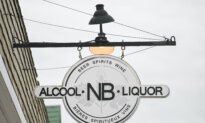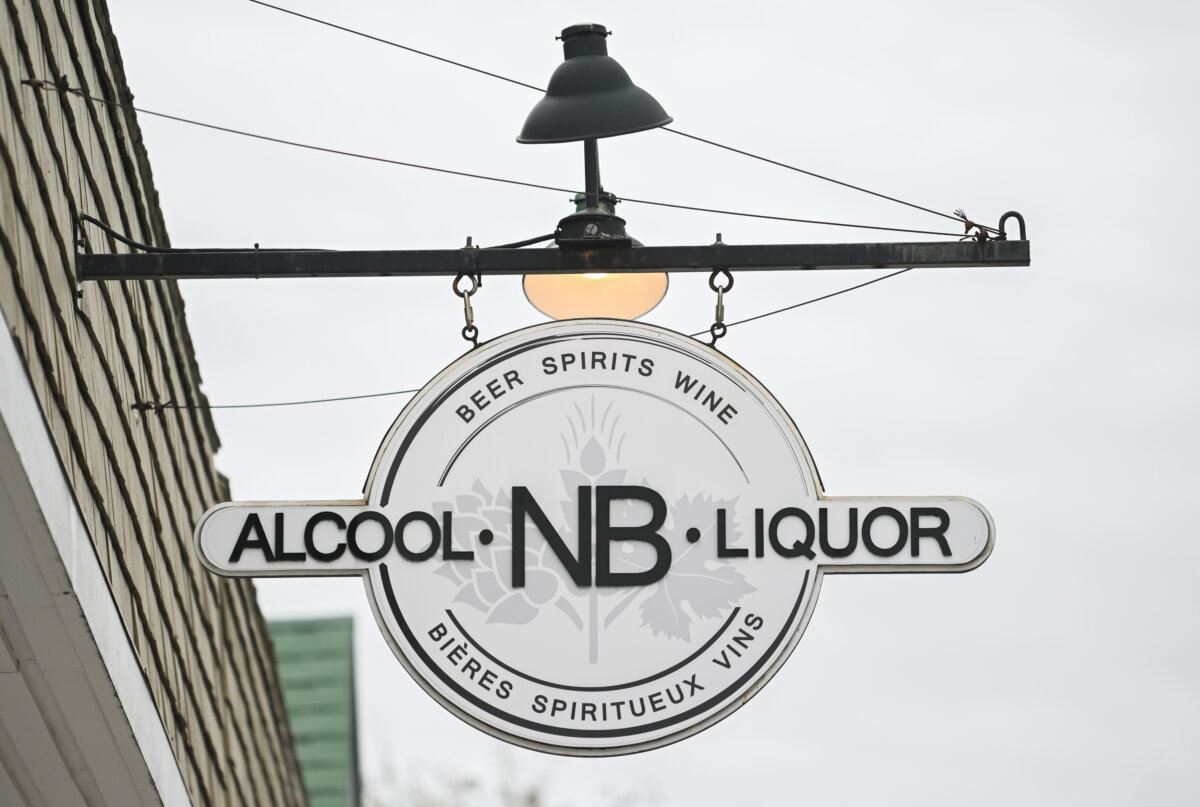

New Brunswick has signed an agreement to permit direct-to-consumer sales of alcohol with other participating Canadian provinces and territories, allowing consumers to buy alcohol from other regions.
Amendments to the Liquor Control Act during the spring legislative session make the change possible, the province said in a July 7 announcement. The updated rules also eliminate restrictions on the quantity of alcohol that can be brought into the province for personal consumption.
Both changes will come into effect once regulations are established to define which provinces are eligible to participate.
Intergovernmental Affairs Minister Jean-Claude D’Amours said the move was made to support province-to-province trade across Canada.
“We have made it clear that we will do whatever we can to support internal trade across the country, and this is an important step,” D’Amours said in a statement. “Direct-to-consumer sales of alcoholic beverages will give New Brunswick producers new business opportunities and a chance to access customers they could not reach previously.”
The changes mark a substantial departure from the previous alcohol regulations in New Brunswick.
The province won a case at Canada’s Supreme Court in April 2018 against a man fined $300 for buying beer in Quebec and bringing it home to New Brunswick.
The trade war with the United States has led New Brunswick and other regions in Canada to consider measures to reduce interprovincial trade barriers to lessen the impact of tariffs.
U.S. President Donald Trump impacted international trade dynamics with his tariff policies this spring. Canada was not exempt, despite its status as a longstanding trade partner of the United States.
The country is currently grappling with three separate rounds of tariffs, including a 50 percent levy on steel and aluminum. Trump doubled the tariff on steel and aluminum in June after implementing a 25 percent tariff on the products earlier this spring.
Washington has also imposed 25 percent tariffs on goods not covered under the United States-Mexico-Canada Trade agreement, 25 percent tariffs on vehicles and parts, and 10 percent tariffs on energy and potash.
A number of provinces have signed agreements or memorandums of understanding with other provinces since the implementation of the tariffs in a bid to eliminate trade barriers within Canada.
All provincial and territorial governments have pledged to conduct a review of their individual exceptions under the Canadian Free Trade Agreement (CFTA), and several provinces have also taken steps to dismantle certain internal trade barriers. Ontario, for instance, signed a memorandum of understanding with Manitoba in May and also has internal trade agreements in place with both Nova Scotia and New Brunswick.
The Liberal government has also removed all of the remaining federal exemptions from the CFTA that inhibited free trade between the provinces.
The Canadian Press contributed to this report.
 Friends Read Free
Copy
Facebook
Tweet
Friends Read Free
Copy
Facebook
Tweet