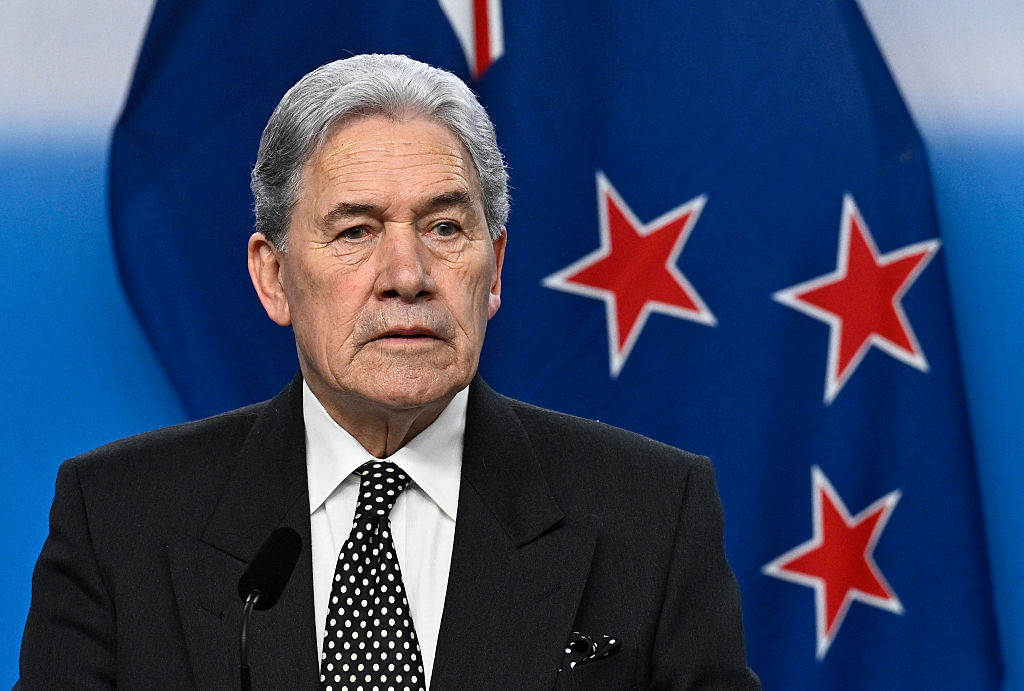

New Zealand and the five Nordic countries have formed a new multilateral grouping, called Nordic 5-New Zealand, in recognition of their “common strategic assessments, values, and national development aspirations.”
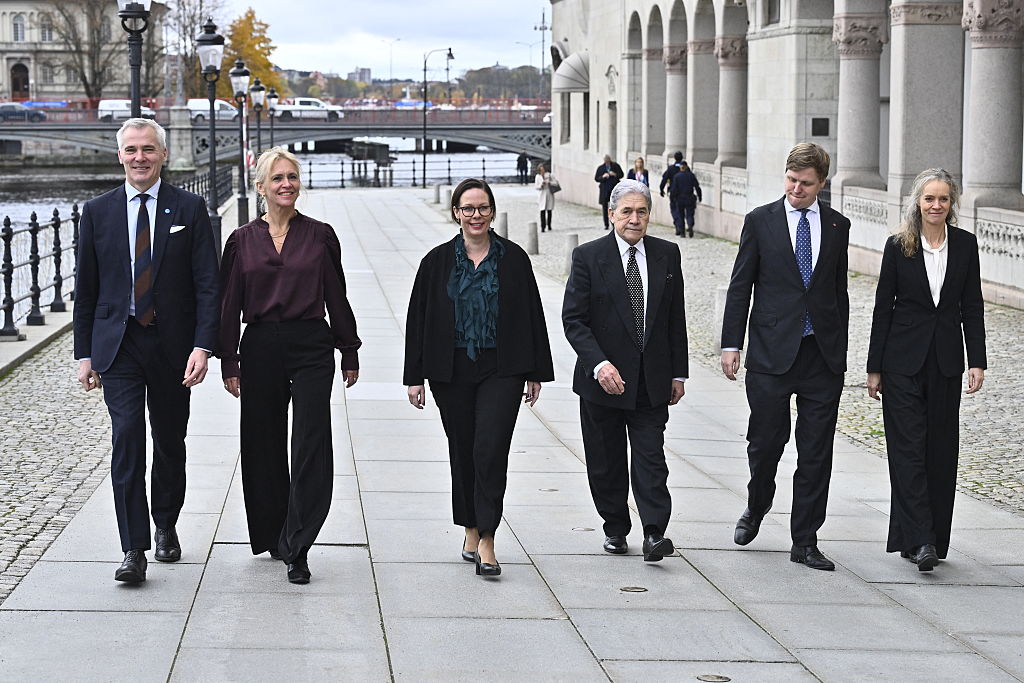
After bilateral visits to all five Nordic countries—Iceland, Norway, Denmark, Sweden, and Finland—New Zealand Foreign Minister Winston Peters also attended the inaugural Nordic 5-New Zealand Foreign Ministers’ meeting in Stockholm, where Russia was a major focus.
“Like New Zealand, the Nordic countries face their most challenging strategic environment in decades, as they unite to support Ukraine in repelling Russia’s illegal invasion,” Peters said.
“As we heard repeatedly, if Russia is not stopped in Ukraine, it will keep pushing further, and they are already seeking to cause disruption in the Nordic and Baltic regions.”
The ministers also discussed “the direct and indirect support that Russia’s war effort receives from certain actors in the Indo-Pacific,” he said, in a clear reference to China, even though he did not name it.
This, he said, underlined “the interconnected nature of our respective strategic environments.”
“The reality is that the Nordics and New Zealand face unprecedented challenges. There are important shifts going on in geopolitics globally.”
To counteract that, the Nordic 5-New Zealand group needs to uphold international law and the rule-based order, and focus on resilience, he said.
“We cannot allow aggression to be rewarded. Whether in Europe or Asia, sovereignty must be inviolate, so there must be costs to those who do not respect that.
“The U.N. Charter must be nurtured and sustained … But the reality is that the United Nations is not meeting the needs of its members, leaving it vulnerable to outright repudiation by some, and ambivalence by others. The time for necessary and meaningful reform is long overdue. Critically, the UN80 process must transform, not merely reform the organisation.
“We must, as predominantly small states, work together to ensure inertia is replaced with an urgency that the times demand. We need to make the UN’s institutions more responsive, efficient and effective.”
He also advocated building greater resilience in everything “from critical minerals to cyber security, from sea lanes to satellites, we must strengthen the systems that underpin our economies and societies.”
“Resilience is the antidote to coercion.”
As a small nation among others in its Pacific region, Peters said their strength lay in cooperation.
“Small states matter, and we hold the foundational belief that all states are equal. We expect to treat others as we are treated, with understanding and respect,” he said.
New Sanctions
While in Stockholm, Peters also announced a new round of sanctions targeting Russia’s oil trade.
“New Zealand is sanctioning 65 shadow fleet vessels involved in the shipment of Russian oil, a key source of revenue funding Russia’s war of aggression against Ukraine,” he said.
It has also sanctioned actors from Belarus, Iran, and North Korea involved in refining and transporting Russian oil and in facilitating oil-related payments.
“These actors are part of a broader network enabling the trade in Russian oil, undermining global efforts to curtail funding for Russia’s illegal war,” Peters said.
Since the Russia Sanctions Act came into force in March 2022, New Zealand has imposed sanctions on more than 1,900 individuals, entities, and vessels, alongside a range of trade measures. This is the country’s 33rd round of sanctions against Russia.
Continued Support for Ukraine
In a joint statement released after the meeting, the six ministers confirmed their respective countries’ “unwavering support” of Ukraine, saying the war “continues to inflict human suffering and has serious consequences for Euro-Atlantic and Indo-Pacific security.
“We support efforts to achieve a just and lasting peace in Ukraine, including by increasing pressure on Russia to reciprocate Ukraine’s call for a comprehensive ceasefire and engage in meaningful peace negotiations.
“We condemn deepening Russia-DPRK military cooperation, especially North Korea’s continued military support to Russia’s war of aggression against Ukraine. We urge China to cease any material support to Russia’s war efforts as well as to prevent the circumvention of sanctions,” they said.
 Friends Read Free
Copy
Facebook
Tweet
Friends Read Free
Copy
Facebook
Tweet