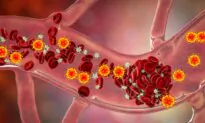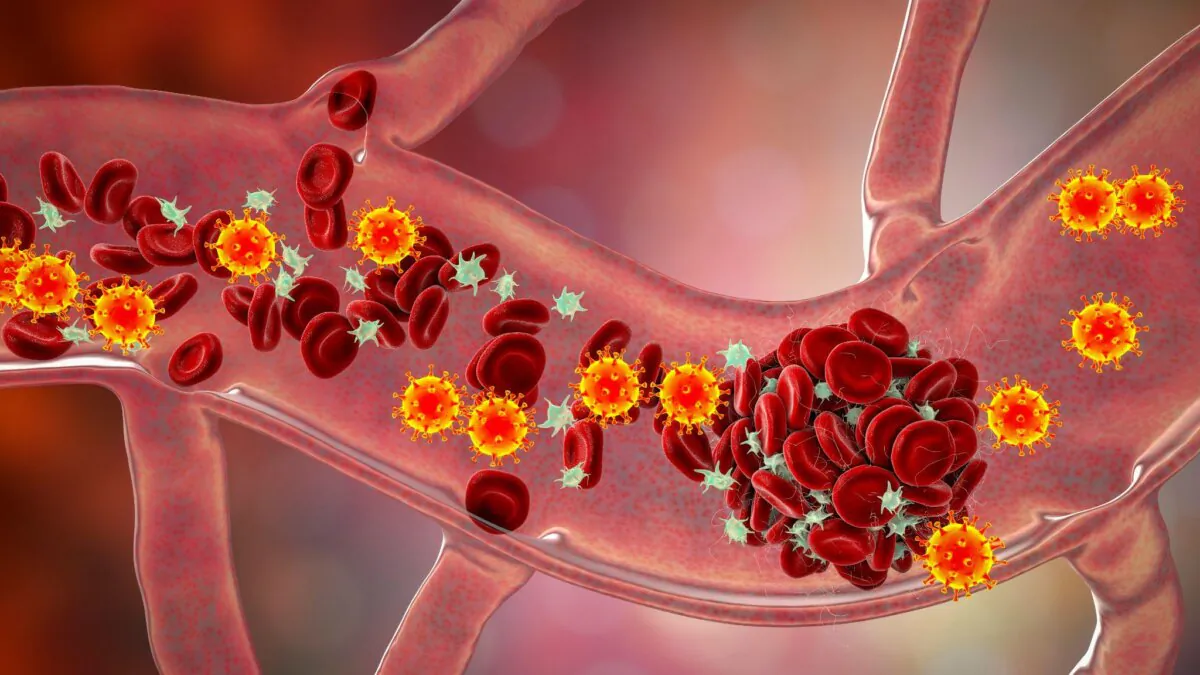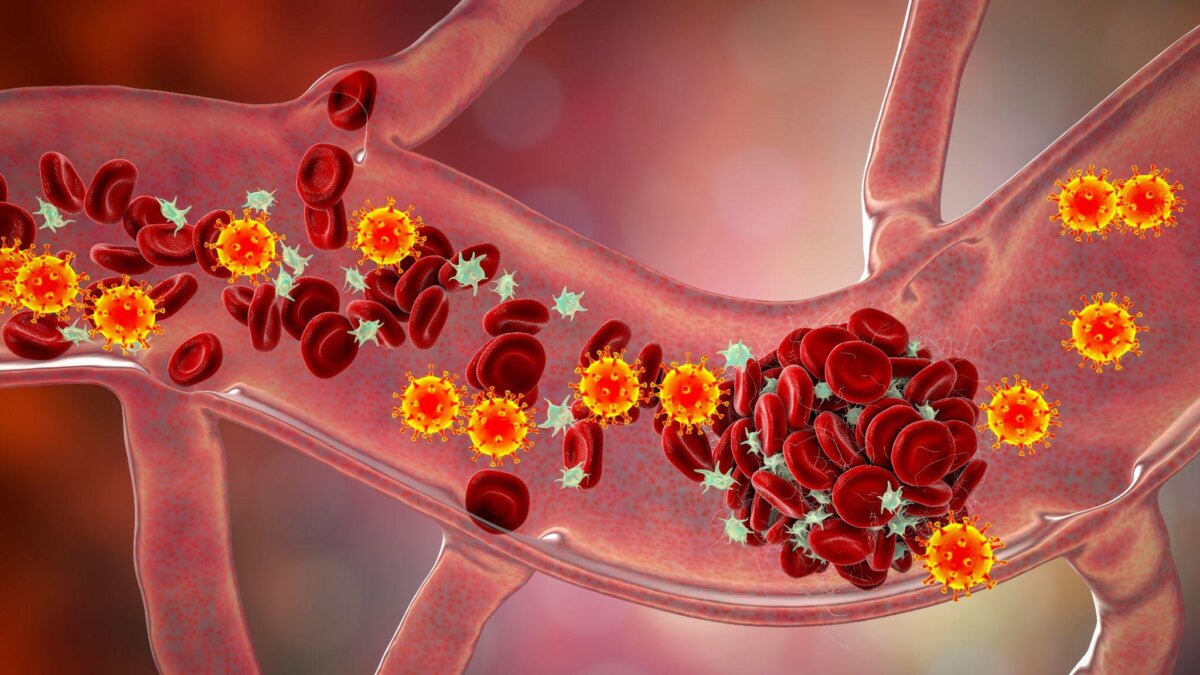
Residents in New South Wales in Australia have been advised to wear masks after 3,475 people tested positive for COVID-19 in a single week.
The warning comes as the Australian federal government updated its guidance in early June, advising against COVID-19 vaccination for healthy individuals under 18.
Health authorities in NSW say COVID notifications had soared since May 2025, with the largest increase among those over the age of 90.
Health Protection NSW Executive Director Jeremy McAnulty said while COVID was circulating at moderate levels, this was likely to increase.
“While most people have already received their primary course of COVID vaccinations, we’re urging people—especially those aged 65 and over—to get a booster to protect themselves,” McAnulty said.
The latest surveillance report on respiratory viruses, released on June 19, showed a 10 percent spike in COVID cases in the week ending June 14.
“Most people with COVID do not test for the virus, so the latest figures represent a small proportion of all people who have the virus,” NSW Health said.
McAnulty recommended the booster dose every six months for those over 75 years, and annually for those aged 65 an above. He did not advise the vaccine for younger Australians.
McAnulty also urged eligible individuals to plan ahead with their GP for antiviral treatment if they test positive.
“People aged 70 and older, or those with other risk factors, who have COVID are eligible for a course of antivirals, which can prevent serious illness if they seek care early enough,” he said.
“These people should make a plan with their doctor about what to do if they do get sick, including what test to take, and how to access antivirals quickly.”
McAnulty also suggested that those who fell ill with COVID-19 call Healthdirect for free health advice and access to antivirals.
NSW Health has advised the public to stay home if sick, avoid crowded spaces, and consider using a rapid antigen test before visiting vulnerable individuals. Practicing good hygiene, including handwashing and cough etiquette, was also recommended.
McAnulty said if people “do the right things” like staying home if sick, wearing a mask if they do need to go out when unwell, and avoiding crowded gatherings, people could protect each other from respiratory viruses.
Victorian COVID Cases Surge 2.5 Times
In Victoria, health authorities have also raised concerns about a rise in COVID-19 cases in recent months.
Chief Health Officer Evelyn Wong warned of a higher risk of respiratory illnesses during winter.
“The increase in COVID-19 cases between April and May this year was 2.5 times higher than the same time last year, and hospitalisations have been increasing. Flu and RSV cases are also increasing,” Wong said about cases in the state.
Victoria Health has recommended early use of antiviral treatments for both influenza and COVID-19 among high-risk individuals to reduce the severity of illness.
The department has also suggested a range of measures, including coughing and sneezing into the elbow and improving ventilation.
Federal Government Does Not Recommend Vaccines for Adolescents
Meanwhile, the Australian Department of Health has updated its COVID-19 advice, recommending that healthy individuals under 18 no longer receive the vaccine.
“COVID-19 vaccine is not recommended for healthy infants, children, or adolescents who do not have medical conditions that increase their risk of severe illness,” the new advice dated June 3 states.
“This is because the risk of severe illness was extremely low in this cohort over the course of the pandemic, and benefits of vaccination are not considered to outweigh the potential harms.”
 Friends Read Free
Copy
Facebook
Tweet
Friends Read Free
Copy
Facebook
Tweet