
Oil prices dropped on June 22 in the wake of talks between the United States and Iran in Switzerland the day before.
Brent crude was trading at about $78.40 a barrel at 9:30 a.m. GMT, after prices climbed to $81.75 per barrel at the start of trading.
U.S. West Texas Intermediate crude futures dropped to about $75.20 a barrel, down from a high of $81.67 shortly after markets opened.
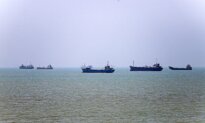
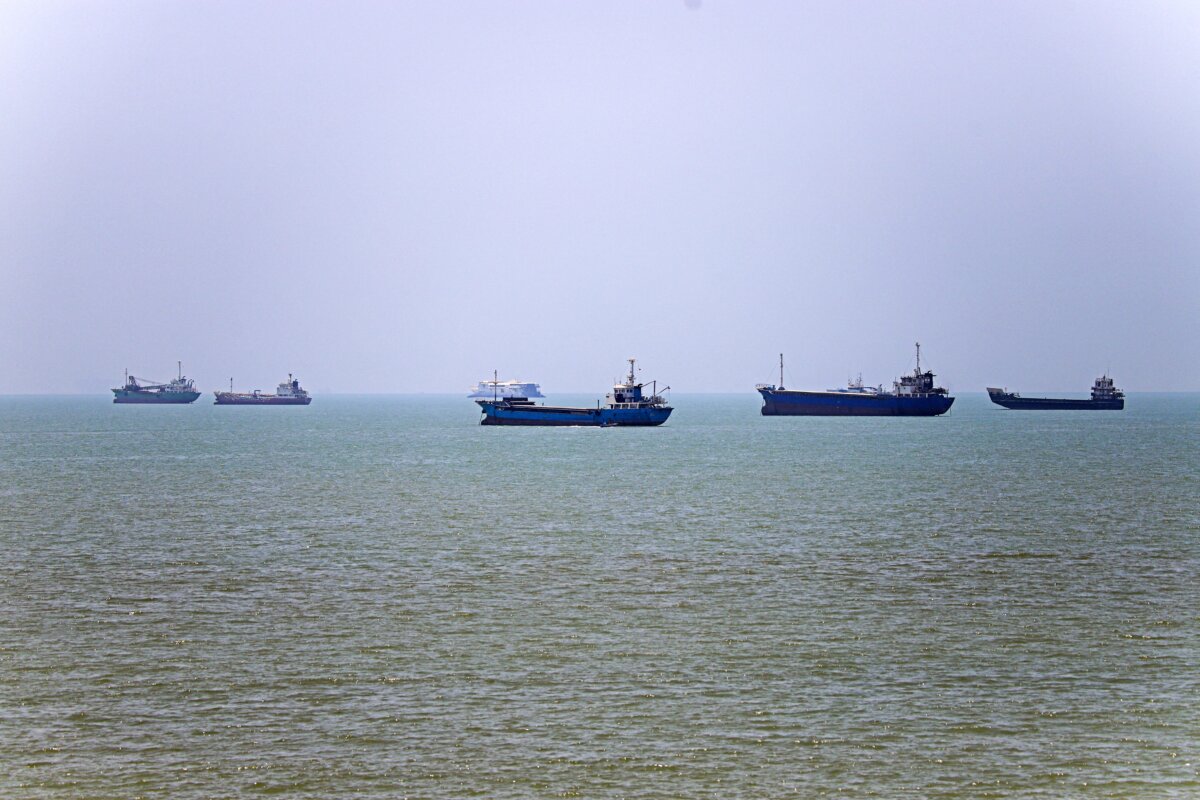
The drop in prices followed U.S. Secretary of Energy Chris Wright’s saying on June 21 that commercial shipping traffic through the Strait of Hormuz is “back to normal” and predicting that oil, gas, and energy prices would decline.
During the conflict, Iran effectively shut down the critical waterway that normally carries about one-fifth of the world’s traded oil, causing prices to surge.
“I’m long out of the business of predicting oil or gasoline prices, but they will continue to head down,” Wright told ABC News’s “This Week.” “Flows of oil and natural gas through the straits have already returned to normal, and they will continue that way whatever happens with the negotiations with the Iranians.”
Despite the drop, analysts at ING Think, a global financial and economic analysis platform backed by the bank of the same name, warned on June 22 that oil prices could again rise.
“Recent developments show that moving towards a more permanent deal will be challenging, with very real risks of a flare-up in hostilities during the 60-day ceasefire. For energy markets, the key factor is still whether oil and [liquefied natural gas] flows from the Persian Gulf continue to recover, despite all the rhetoric,” the analysts said in a note.
After the negotiations in the Alpine nation, Tehran said it had secured waivers for oil and petrochemical exports, easing worries about a supply shortage in global markets.
Iranian Foreign Minister Abbas Araghchi said in a post on X on June 21 that “tireless Pakistani and Qatari mediation has delivered major progress to end Lebanon War.”
“Oil and petrochem exports are waived, blockade lifted, some frozen assets released, and major reconstruction & development plan launched for Iran,” he said, adding that the first real test of the deal would be the “Lebanon deconfliction cell.”
The “de-confliction cell” will involve the United States, Iran, and Lebanon and will be facilitated by Pakistan and Qatar to ensure “the adherence of the termination of military operations in Lebanon” in line with the memorandum of understanding.
A communication line will also be established as per the memorandum to “avoid incidents and miscommunication with the aim of safe passage for commercial vessels through the Strait of Hormuz.”
The first round of the peace talks concluded with “encouraging progress” made, mediators Pakistan and Qatar said early on June 22 in a joint statement.
The highly anticipated talks at the Bürgenstock Resort Lake Lucerne, near Stansstad, Switzerland, were conducted in “a positive and constructive atmosphere,” the mediators said.
The United States and Iran have now agreed to further mediation focused on “nuclear, sanctions, and a monitoring and dispute resolution group” to ensure that their memorandum of understanding signed on June 17 is implemented.
Technical talks are set to continue for the remainder of the week, with a roadmap to reach a final deal within 60 days, according to the statement.
The talks at the Bürgenstock Resort mark the highest-level direct engagement between the United States and Iran since tensions escalated following military exchanges earlier this year.
The memorandum reached last week will continue to provide the framework for the technical discussions aimed at easing the armed standoff between the two parties and to allow for further negotiations on the long-term disposition of Iran’s nuclear program and other obstacles to a lasting peace between the parties.
During a break on June 21, U.S. Vice President JD Vance called the efforts so far “a historic meeting” and also said the parties made “great progress.” He said he sees a future in which everyone can work together to promote peace and prosperity.
Vance was joined by special envoys Steve Witkoff and Jared Kushner, with Pakistani Prime Minister Shehbaz Sharif and Pakistani Army Chief Field Marshal Asim Munir also in attendance.
Tom Gantert, Melanie Sun, and Jack Phillips contributed to this report.
 Friends Read Free
Copy
Facebook
Tweet
Friends Read Free
Copy
Facebook
Tweet