
A federal judge in Boston ruled on June 18 that lawsuits filed by Democratic-led states and voting rights organizations against President Donald Trump’s executive order on mail-in voting can move forward before the November elections.
The decision by U.S. District Judge Indira Talwani creates the possibility that the order could be blocked before the midterm elections, which will determine whether Republicans maintain control of Congress.
Talwani, an Obama appointee, said the lawsuits should be heard now because Trump’s order could directly affect upcoming primary and midterm elections. She noted that the order contains specific requirements for federal agencies and mandates election-related changes that could influence this year’s voting process.
According to the judge, delaying judicial review could cause significant harm to the plaintiffs. However, she also noted that it remains unclear exactly how federal agencies such as the Department of Homeland Security (DHS) and the U.S. Postal Service (USPS) will implement the order.
Because of those uncertainties, Talwani dismissed—for now—legal challenges related to elections taking place after the Nov. 3 midterms. She left open the possibility that those claims could be revived in the future.
In a statement released through the American Civil Liberties Union, the plaintiffs, including the League of Women Voters, welcomed the ruling, saying they were pleased the court recognized the urgency of the case and allowed it to proceed regarding this year’s elections.
In an emailed statement to The Epoch Times, the White House struck a defiant tone.
“The Trump Administration will continue to fight for the agenda the President was elected on—which includes the safety and security of our nation’s elections,” said spokesperson Abigail Jackson. “This very campaign pledge from the president is why millions of Americans sent him back to the White House.”
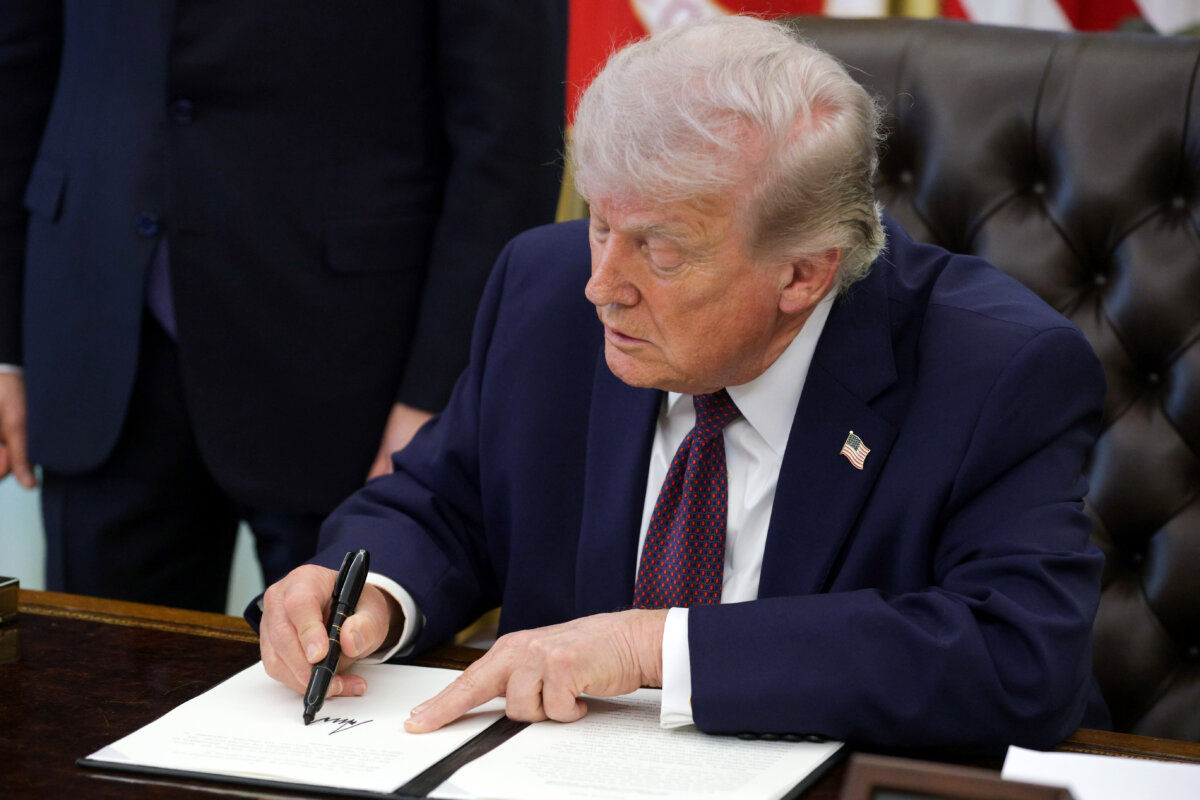
Trump signed the executive order on March 31 after years of advocating stricter mail-in voting rules and continuing to claim that widespread voter fraud contributed to his loss in the 2020 election. Under the Constitution, states are primarily responsible for administering federal elections.
The order directs DHS to create and provide states with lists of confirmed U.S. citizens eligible to vote, using citizenship, naturalization, and other federal records.
It also instructs the USPS to deliver ballots only to voters listed on state-approved mail-in voting rolls. USPS has already proposed rules requiring states to provide voter names and ballot barcodes to comply with the directive.
Additionally, the order tells the Department of Justice to prioritize investigations and prosecutions of state and local election officials who issue federal ballots to individuals considered ineligible to vote.
Voting rights groups, along with 23 states and the District of Columbia, argue that the executive order is unconstitutional and that the president lacks the authority to control how states administer elections.
Reuters contributed to this report.
 Friends Read Free
Copy
Facebook
Tweet
Friends Read Free
Copy
Facebook
Tweet