



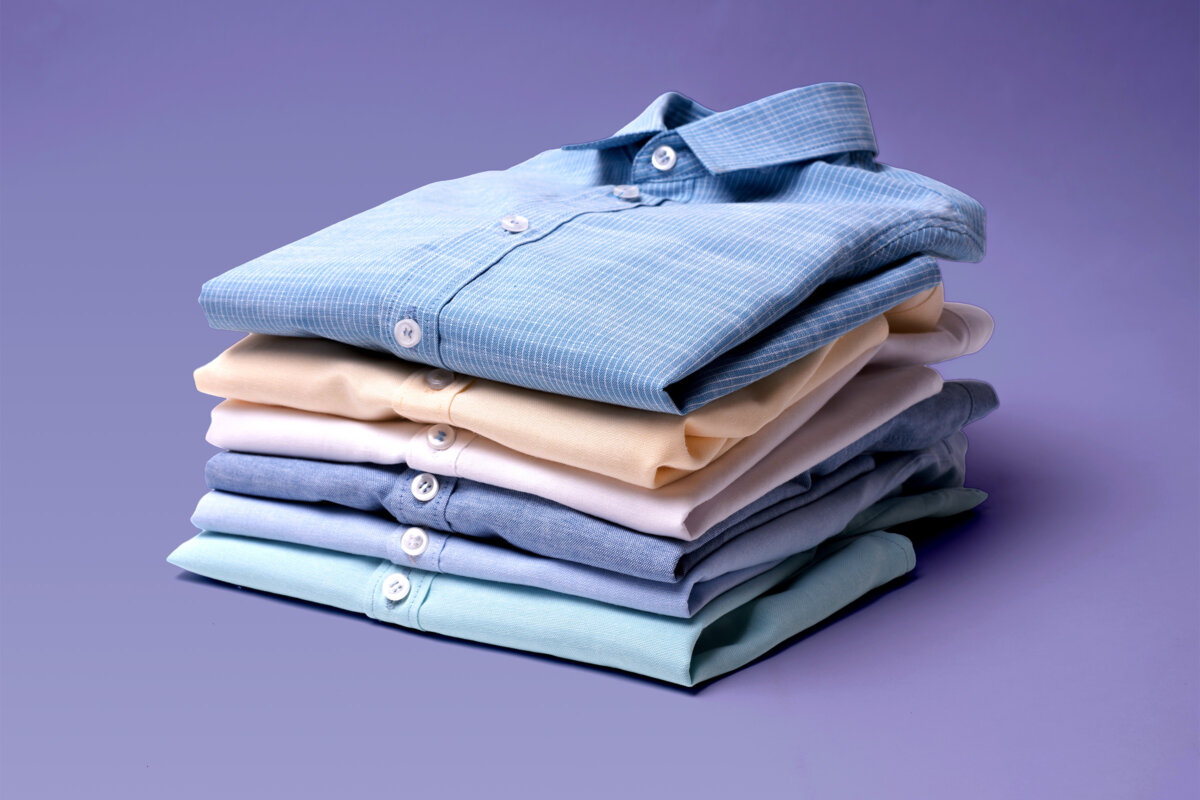
Jennifer Jennings loves the crisp look and the fresh, clean feel of brand-new clothes. However, the clothing, it turns out, does not love her back. Heavily dyed items leach into her skin as if it’s a sponge. Nearly all clothing right off the rack turns her skin hot and red. Eventually, profuse sweating kicks in.
“It doesn’t matter what the fabric is. I definitely have a hyper-sensitive reaction to new clothing,” she told The Epoch Times.
Jennings is not an outlier. Many people react to new clothing. What they might not realize is that all clothing, including online orders and secondhand garments, can be a minefield of risky irritants hiding in plain sight.
Your New Clothes Have a Backstory
You don’t know a garment’s history—where it’s been, what it’s been treated with, when it was packaged, what’s in the packaging, or who’s touched it, Dr. Shilpi Khetarpal, a Cleveland Clinic dermatologist, told The Epoch Times.
There are also a number of chemicals added to clothing fibers throughout production. It starts with the cleaning process. Organic products such as wool and cotton have dirt and sweat that need to be removed, Karen Leonas, professor of textile sciences at North Carolina State, told The Epoch Times.
“They go through a pretty harsh chemical process,” she said. “And then during yarn production and fabric production, they go through bleaching and scouring with surfactants used.”
For those who are highly sensitive, sodium hypochlorite and hydrogen peroxide in bleach can break down the skin barrier; fragrances added to detergents can also be irritating. However, the more concerning irritants are in finishing chemicals. Fabrics are often dyed, and some also have chemical finishes to make them water-repellent, fire-retardant, antimicrobial, stiff, wrinkle-free, or soft. Some chemicals are washed off; some are supposed to remain on the fabric to continue working.
One of the worst offenders is formaldehyde-based resin, which has been restricted in use to lower quantities in recent years and is used to make fabric wrinkle-free. Azo dyes, banned from clothing production in Europe, are associated with dermatitis among those who work with and wear the clothing.
“Azo dyes are cheap and easy to apply and can give all range of colours, making it the most common group,”a review in Current Treatment Options in Allergy reads. “They only partially bind to textile fibres which may explain their sensitization properties.”
Flame retardants, used on some children’s pajamas, are associated with disruption in hormones; in animal studies, they are considered neurotoxic.
There’s also rising concern about potential harm of per- and polyfluoroalkyl substances, or PFAS, often described as “forever chemicals.” PFAS are used in clothing for stain resistance so clothes last longer.
It’s not unusual for excess chemicals to remain on fabric, Leonas said.
“A lot of times they don’t get rinsed properly,” she said.
The long supply chain, especially for overseas items, also puts clothing through many hands before it ever hits the sales rack, Leonas said. Almost all clothing has been stored in a back room, a packed warehouse, or a manufacturing factory where it has accumulated dirt, bacteria, dust, or mold. Clothing in a store may have been tried on, discarded on a dressing room floor, stepped on, and hung back on a rack—or even worn and returned. Everyone who touched clothing while shopping or handled it at any point between manufacturing and the sale has transferred microbes onto the fabric.
Anyone Can React—Top Risk Factors
Certain people are always more at risk of reactions, including babies, toddlers, people who live in harsh climates year-round, and anyone prone to rashes and allergic reactions.
The main concern with chemicals in new clothing is dermatitis, an inflammation that causes intense itching, redness, swelling, and dry skin. Eczema—caused by a combination of genetics, immune system overactivity, and a weakened skin barrier—is one type of dermatitis.
“Sometimes they don’t realize why they’re having a flare or why things are worsening,” Khetarpal said, noting that new clothes are rarely the first suspect of skin issues, even for people who are already prone to skin problems.
If you regularly buy clothes and wear them without washing, Khetarpal has a warning.
“Our skin can become more sensitive to things where it wasn’t before,” she said. “Our skin changes over time. As we age, we produce less sebum.”
Sebum is a waxy, oily barrier that coats and protects the skin. It’s an anti-aging barrier that locks in hydration and locks out harmful bacteria and irritating chemicals.
Colder weather and cooler climates can also slow down sebum production, leaving skin with less natural protection year-round.
Formaldehyde and dyes are also associated with cancer, although any carcinogenic risk from clothing would involve cumulative exposure from other chemicals you come into contact with on a regular basis.
Wash Wisely Before You Wear
The fix is straightforward: Wash everything before you wear it—new clothing, sheets, and towels alike. This rinses away residual chemicals while allowing those bonded to the fabric to serve their long-term purposes.
Cold water is best for preserving clothing and works better on chemicals with detergent than hot water alone. Cold water prevents bright colors from bleeding and keeps the fabric from breaking down prematurely.
Detergent choice matters more than most people think. Skip the fragrance. It is notorious for pulling moisture out of the skin and making the skin barrier more prone to reactions, Khetarpal said.
“We always recommend a fragrance-free or a free-and-clear detergent because you don’t want to add fragrance and other irritants to the skin,” she said.
Dryer sheets should also be free of chemicals, she said.
You can turn garments inside out to protect beading, embroidery, and other designs from damage. Brightly dyed garments should be washed alone to prevent bleeding onto other items, although most other new clothing can be combined with other laundry.
Garments such as coats, sweaters worn over clothing, and other outerwear generally carry less risk because they don’t sit directly against the skin. You can delay or skip washing in many cases.
Chemical Conundrum and Your Immune System
The rise in clothing reactions likely reflects the sheer volume of chemicals being used across industries, combined with an immune system that hasn’t been exposed to a healthy amount of bacteria, Khetarpal said.
A healthy skin microbiome is a frontline defense against skin reactions. You can protect it by using soap and water rather than bleach or antimicrobial products, which can strip away healthy microbes along with harmful ones. Healthy microbes on the skin’s surface prevent the overgrowth of bacteria that can cause inflammation and skin damage.
The immune system also plays an inside-out role. Having a diverse gut microbiome with beneficial bacteria can be protective against dermatitis. Eating a healthy diet rich in colorful fruits and vegetables and avoiding antibiotic use, especially early in life, can lessen dermatitis susceptibility.
The good news is that excess chemicals in textiles are declining, according to Leonas. Improved technology has made it easier for manufacturers to apply the right amount of chemicals, reducing waste and costs. Whether this translates into fewer reactions remains to be seen; however, textile dye mixes affect enough people that they are included in skin patch testing for allergies.
“Chemicals are better controlled, but that doesn’t mean that there still aren’t going to be some products that have them,” she said. “Washing them to reduce residual chemicals that may come in contact with your skin is always a good idea.”
For Jennings, that lesson is now second nature. Sometimes she has such a rapid reaction from trying on clothes in the dressing room that she skips the purchase even if she loves the item. The precautions are worth it, she said, and she even washes new clothing for her husband and children, although they haven’t experienced reactions.
“I don’t know exactly what it is, because it’s all fabrics,” she said. “I’ve just made the initiative that I just need to wash it beforehand. Everything gets washed, even socks.”