


In some ways, meditation is to the mind what exercise is to the body. Meditation involves mental control, physical relaxation, a non-judgemental awareness, and detaching the mind from ruminating thoughts. Meditation practices can involve concentration and attention on a specific thing, like breath or a concept or allow all experiences to come into awareness. Some forms require a complete clearing of the mind that translates into a different mode of awareness. In all forms, the goal is to quiet the running commentary of the mind. Many practices are rooted in religious tradition and prayer can be closely linked to meditation. Meditation can be practiced in any physical posture and in thousands of ways. All types of meditation attempt to engage the body’s relaxation response, which has several benefits. Until the 1960s, meditation was predominantly an Eastern practice. Soon after, studies began to show it could impact heart rate, blood pressure and the production of stress hormones. Research suggests meditation may also improve depression, fatigue, insomnia, additions, gastrointestinal disorders, cognition, psoriasis, asthma, chronic pain, arthritis, and menstrual symptoms. It also protects against stroke, heart disease, and heart failure. More recently, researchers have found mediation actively changes brain shape and activity in beneficial ways.

6 Ways to Free-up Trauma, Including EMDR, Neuro Emotional Technique—Clinical Psych
Trauma leaves its mark not just on the mind but deep in the body—and the range of tools now available to treat it reflects just how complex that reality is. ...
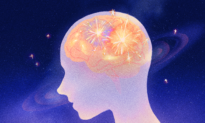
Meditation Changes Your Brain—Here’s How
The brain imaging studies reveal that meditation and prayer share overlapping neurophysiological mechanisms.

Drooling, Snoring, Nightmares: How to Ease Common Sleep Problems
A restful night’s sleep requires balance in both body and mind—even small changes can make a big difference.

3-Step ‘NY Firefighter’ Trauma, Burnout Relief Exercises—James Gordon MD
Burnout isn’t just about work overload. What feels like exhaustion may actually be a deeper breakdown in how we negotiate purpose, pressure, and trauma. Burnout is often framed as a ...

From Crippling Pain to a Second Life: A Woman’s Recovery From Fibromyalgia
Trapped in endless pain from 'incurable' fibromyalgia—a simple meditation practice soothed her agony and gave her life back.

Your Body Is a Miniature Universe. Here’s How to Keep It in Harmony.
When you deviate from nature's rhythm, sickness follows.
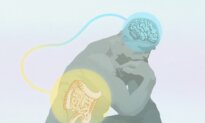
The Mystery of Intuition: Where Gut Feelings Really Come From
Intuition is a sophisticated form of intelligence that operates largely beneath conscious awareness.
A Quiet Medicine: How Silence Slows Down Your Heart and Grows Neurons
The absence of sound speaks volumes.
The Mind Science Behind True Resilience
Why some people crumble under pressure while others emerge stronger than before.

How a Little Blue Book Became This Iraq Veteran’s Lifeline
An extensive body of evidence shows that spiritual practices provide measurable protection against trauma and PTSD.
First Aid for Burnout and Tips for Staying Sane
What are the key warning signs of burnout? How can we douse the flames? Watch our exclusive episode, only on NTD. New research signals that 66 percent of American workers ...

Open Hip Joints to Avoid Knee Pain in Sitting Cross-Legged Positions
Seated meditation can be done in any position, however, if you choose to practice with your legs in the classic position, opening the hips first can help.

Gardening and Farming May Improve Mental Health, Self-Worth: Study
Green social prescribing programs that connect people with nature activities reduce anxiety and increase happiness comparable to other therapies.

Beyond Romance: The Missing Element in Modern Relationships
Nearly a third of marriages end in divorce. What’s going on?

Why Do Some People Remember Their Dreams While Others Forget?
Research is uncovering why we dream, who remembers dreams best, and how to improve recall.

Hope: A Remedy for Depression When Nothing Else Works
Finding the light in the tunnel—not just at the end of it—may be the most powerful medicine of all.

NSDR: A Better Alternative to Napping
Nonsleep deep rest (NSDR) has been shown to improve cognitive health.

The Cost of Neglecting Spirituality
What if the most overlooked factor in your health isn’t what you eat or how you exercise, but what you believe?

How Mindfulness Disconnects Our Sense of Self From Our Feelings of Pain
The practice of mindfulness can alter the brain's response to pain.
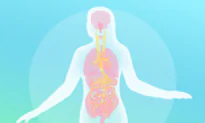
How the Vagus Nerve Controls the Health of Major Organs
The vagus nerve stimulates a variety of organs and their systems, including the brain, heart, lungs, and digestive tract.

The Intersection of Zen and Stoicism: 5 Transformative Practices
Practicing these teachings in daily life can lead to profound change.

Which Music Makes Us Smarter? – Neuroscientist Reveals
To submit your question, click here and enter [15513]. Watch our exclusive episode, only on NTD. The potential for classical music to improve intelligence has been known for some time. ...

5 Ways to Overcome Mental Exhaustion
A psychiatrist offers manageable strategies for battling mental exhaustion from life's stressors.

Faith and Health
Prayer, meditation, and spiritual based exercise have been shown to have positive effects on health.

Harnessing the Power of Sound: Binaural Beats for Enhanced Focus and Improved Health
Research suggests that binaural beats offer multiple benefits such as improved sleep, reduced anxiety, and overall well-being.

Stop Burnout Before It Gets Serious–Without Medication
Recharge and reverse burnout with these practical tips by understanding its causes and signs.