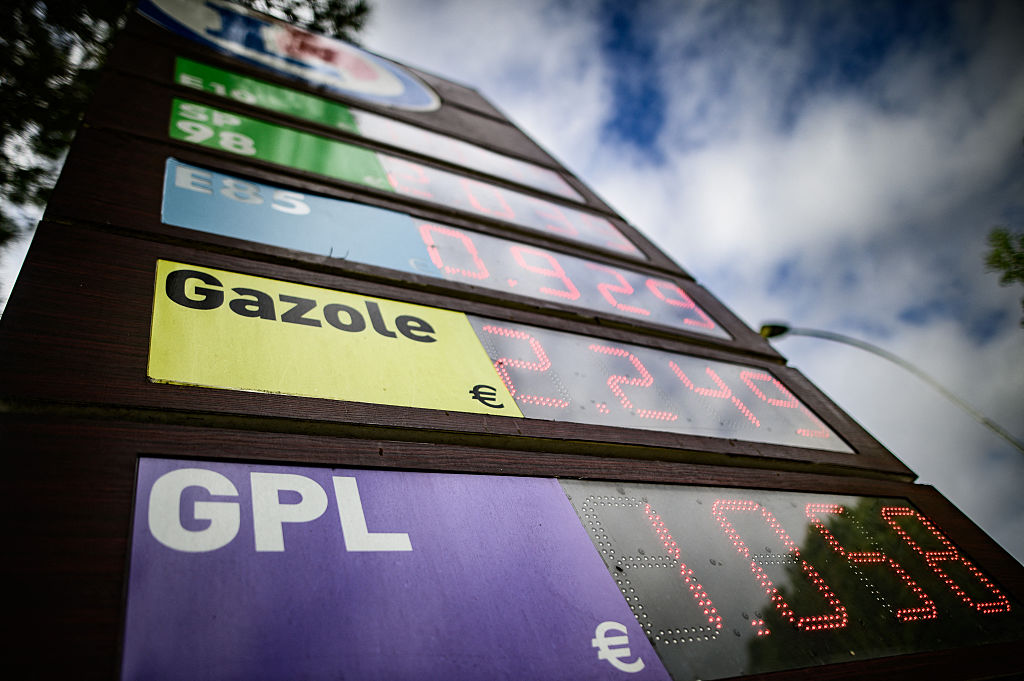

Oil prices climbed sharply on April 27 as stalled U.S.–Iran peace efforts and continued disruptions in the Strait of Hormuz heightened concerns about prolonged supply shortages.
Brent crude rose by $3, or about 2.9 percent, to $108.36 per barrel, reaching its highest level in three weeks, while U.S. West Texas Intermediate (WTI) gained $2.45, or 2.6 percent, to $96.85 per barrel.
The gains followed steep advances last week, when Brent rose by nearly 17 percent and WTI by about 13 percent—their largest weekly increases since the conflict began at the end of February.
The price move came as prospects for a diplomatic breakthrough appeared to dim.
U.S. President Donald Trump said on April 26 that Iran could contact the United States if it wanted to negotiate an end to the two-month conflict, but his administration also canceled a planned Pakistan trip by envoys Steve Witkoff and Jared Kushner.
“If they want to talk, they can come to us, or they can call us. You know, there is a telephone. We have nice, secure lines,” Trump said in an interview on Fox News’s “The Sunday Briefing.”
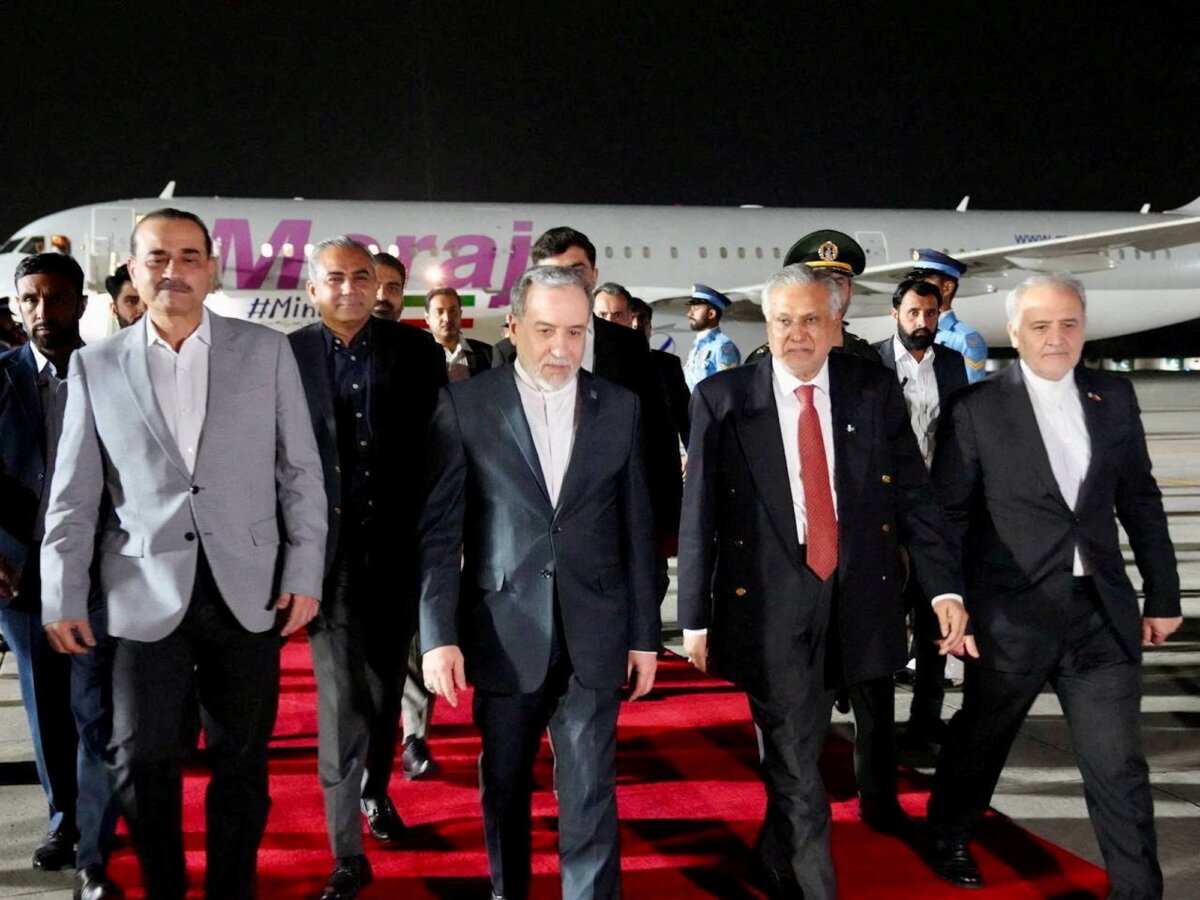
Meanwhile, Iranian Foreign Minister Abbas Araghchi arrived in Russia on April 27 for talks with Russian President Vladimir Putin after visiting Pakistan and Oman.
In remarks upon arriving in St. Petersburg, Araghchi said consultations with Oman had focused in part on maritime security in the Strait of Hormuz.
He said his Pakistan visit included consultations related to Islamabad’s mediation role between Iran and the United States and blamed “incorrect approaches and excessive demands” by Washington for the failure of the previous round of negotiations.
Supply Concerns
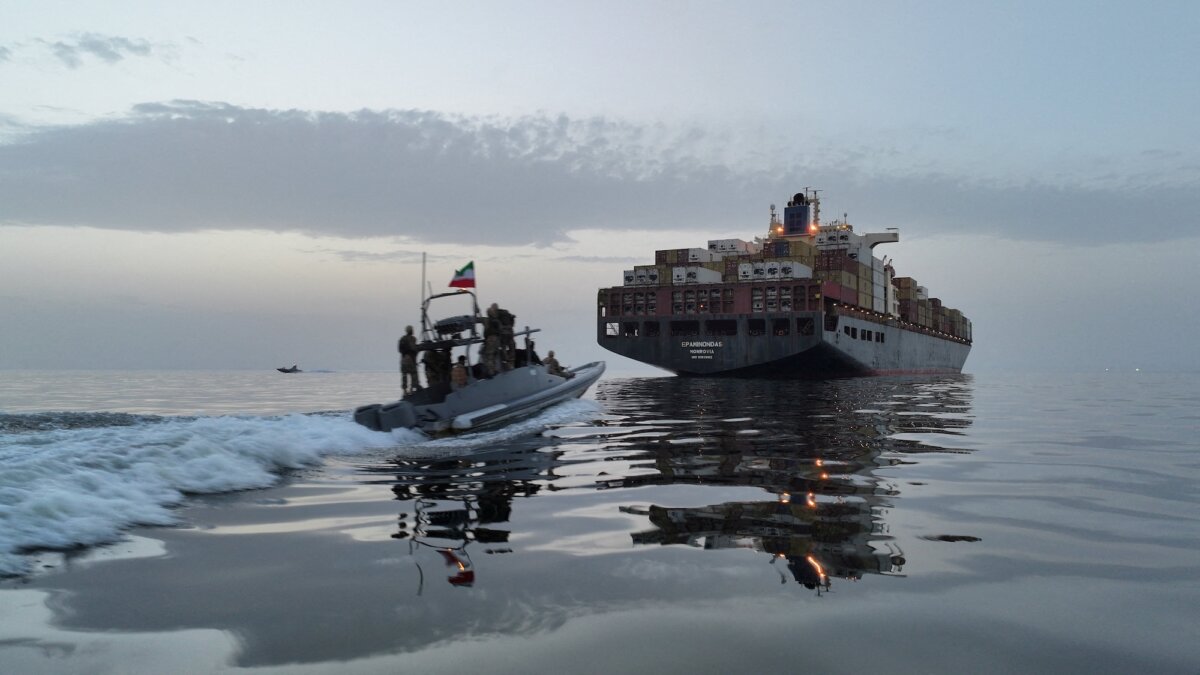
Tehran has largely closed the strait while Washington has imposed a blockade on Iranian ports, leaving energy traders watching not only military developments but logistical bottlenecks.
According to Kpler shipping data, only one oil products tanker entered the Gulf on April 27.
ING analysts said in an April 27 commodities note that the breakdown in efforts to restart peace talks had erased “hopes for a resumption of energy flows through the Strait of Hormuz anytime soon.”
“There’s little alternative to fill a roughly 13m b/d shortfall,” the ING analysts said, adding that prolonged disruptions could force higher prices to trigger “demand destruction.”
The shipping disruptions have coincided with stepped-up U.S. pressure.
ING said the United States last week seized a sanctioned tanker carrying Iranian oil in the Indian Ocean and imposed sanctions on China’s Hengli Petrochemical refinery, along with about 40 shipping companies and vessels linked to Iran’s so-called shadow fleet.
Deepening Deficit
Financial institutions, including Goldman Sachs, have warned that the supply shock could outlast current forecasts and force either higher prices or weaker demand.
Goldman Sachs raised its fourth-quarter oil forecast on April 26 to $90 per barrel for Brent and $83 for WTI, citing lower Middle East output and a slower recovery in Gulf production.
The bank said its outlook assumes normalization in Gulf exports through Hormuz by the end of June, later than its earlier mid-May expectation.
Goldman estimated that 14.5 million barrels per day in Middle East production losses were driving global inventories to draw at a record pace of 11 million to 12 million barrels per day in April.
“The economic risks are larger than our crude base case alone suggests,” analysts led by Daan Struyven wrote on April 26.
They cited upside risks to oil prices, shortages in refined products, and the scale of the supply shock.
The bank said the global oil market could shift from a 1.8 million barrel-per-day surplus in 2025 to a 9.6 million barrel-per-day deficit in the second quarter of 2026. It also projected that global oil demand would fall by 1.7 million barrels per day in the second quarter because of rising refined product prices.
“Because extreme inventory draws are not sustainable, even sharper demand losses could be required if the supply shock persists longer,” the note reads.
Reuters contributed to this report.
 Friends Read Free
Copy
Facebook
Tweet
Friends Read Free
Copy
Facebook
Tweet