
An Ontario resident who recently returned from a trip to Ethiopia has tested negative for Ebola, Canada’s chief public health officer said.
The individual underwent “precautionary testing” after they reported symptoms consistent with a range of illnesses, Chief Public Health Officer Dr. Joss Reimer said in remarks on May 22.
Reimer said that initial testing in Ontario, which returned negative, was confirmed by the National Microbiology Laboratory in Winnipeg.
The risk to people in Canada remains low, based on a Public Health Agency of Canada rapid risk assessment, she added.
Reimer said that screening measures at the border have been strengthened since May 20.
These measures include additional screening questions at airport kiosks asking travellers whether they have visited the Democratic Republic of the Congo or Uganda within the past 21 days, whether they are experiencing symptoms, and whether they may have been in contact with someone with Ebola disease.
Additional quarantine and screening officers and signage advising passengers on measures to take when feeling unwell have also been introduced at key airports, she said.
On Wednesday, a flight was redirected to Montreal due to a “passenger of concern” who was later determined by quarantine officers to be asymptomatic, and appropriate border procedures were followed.
On May 15, authorities in Congo declared an Ebola outbreak after cases were confirmed in the northeastern part of the country. By May 20, national authorities and media reports had recorded 60 confirmed cases, more than 670 suspected cases, 105 probable cases, and 160 deaths linked to the Bundibugyo strain of Ebola, for which no approved vaccines or specific treatments currently exist.
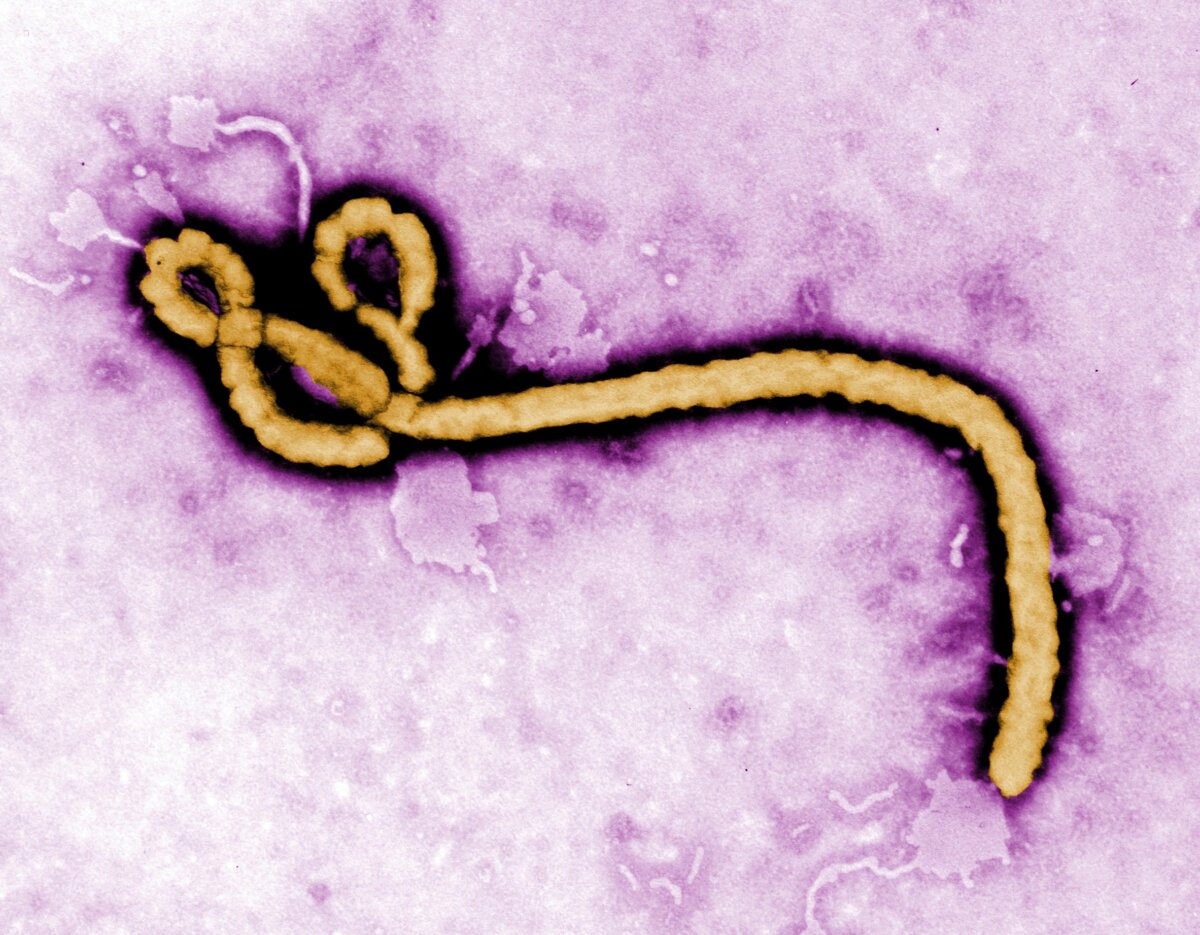
Ebola spreads through direct contact with the bodily fluids of infected individuals showing symptoms, infected animals, or contaminated materials, and is not airborne. Those at highest risk include health care workers, caregivers, and people involved in burial practices with direct contact.
Reimer also gave an update on the Andes hantavirus outbreak that started on board cruise ship MV Hondius in April, saying that there have been no additional cases identified in Canada beyond the initial confirmed case in British Columbia.
All high-risk contacts continue to be monitored by local public health authorities, and the overall risk to the general population in Canada remains low at this time, she said.
“We continue to take a precautionary approach given the severity of this virus, while recognizing that person-to-person transmission of Andes hantavirus is rare and typically requires close, prolonged contact with someone who is symptomatic,” she said.
 Friends Read Free
Copy
Facebook
Tweet
Friends Read Free
Copy
Facebook
Tweet