
Ottawa says it’s giving owners of newly banned firearms until the end of March to declare an interest in receiving compensation in return for handing over or permanently deactivating their guns.
The federal government has banned about 2,500 types of firearms since 2020, saying the banned guns are made for warfare, not sport shooting or hunting.
The government says the declaration period for gun owners will begin on Jan. 19 and run until March 31. Firearms owners participating in the gun buyback program can file a declaration online or by paper.
After the March 31 cutoff date, firearms owners cannot apply to receive compensation for turning over their banned guns.
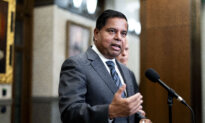
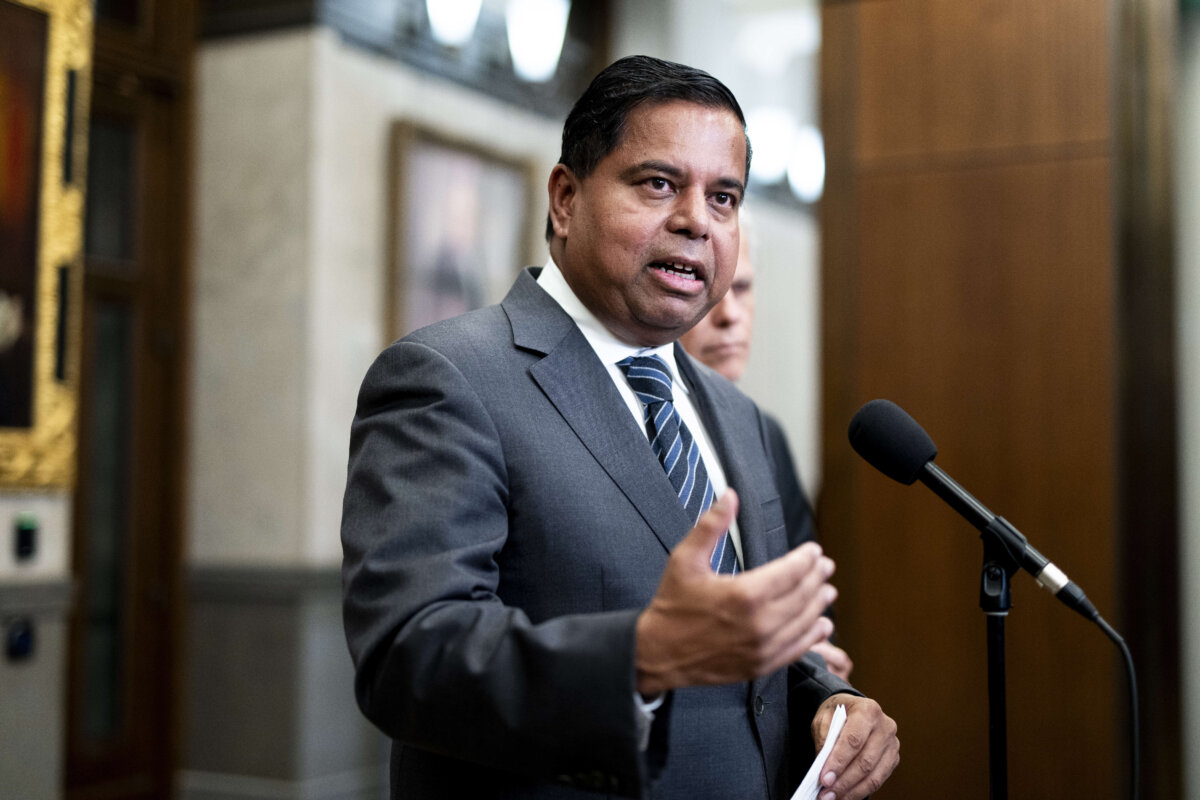
Public Safety Minister Gary Anandasangaree said that Ottawa wants to make sure owners get “fair compensation” for handing over their guns, adding that participation in the program is voluntary.
The announcement comes just over a week after the Liberal government said its pilot of the program, run in Nova Scotia last fall, collected just 25 banned firearms, falling short of the 200-gun goal.
Ottawa launched the pilot in Cape Breton in September 2025, saying it was to test the programs “processes and systems” before a nationwide launch.
A spokesperson for the public safety department previously told The Epoch Times that the 25 firearms were handed in by 16 participants, and the compensation paid for the guns was $26,535.
Compensation is paid on a first come, first serve basis, according to the federal government.
The government says it has about $250 million in funding available to pay firearms owners, which will cover compensation for about 136,000 guns. Payments will be issued within 45 days of a validation of the banned firearm.
The amnesty period for gun owners ends on Oct. 30, after which those who still have firearms that have been banned by the government will be considered breaking the law and could face criminal charges.
Firearms owners of banned guns who do not participate in the compensation program will be required to turnover their guns to local police, or export them if they have an export permit.
Program Pushback
Several provinces have said they will not participate in the buyback program, including Alberta, Saskatchewan, and Yukon.
Yukon’s recently elected government said police resources should be invested in tackling crime, not “confiscating people’s lawfully acquired property.”
Commissioner Adeline Webber said in a December 2025 throne speech that hunting and fishing were “foundational” to Yukoners’ way of life and that gun owners in the territory are “thoroughly vetted, law-abiding citizens.”
Alberta has also said the buyback program “undermines” law-abiding citizens and fails to deal with the illegal use of firearms.
Saskatchewan has described the program as the “wrong approach” for improving public safety. Premier Scott Moe has previously said Ottawa should focus on the “real issue: illegal firearms and smuggling.”
The federal Conservatives have also criticized the policy, saying it punishes legal gun owners without targeting criminals.
Several police forces, including the Ontario Provincial Police, have said they will not participate in enforcing the program.
The Ontario Association of Chiefs of Police said in an Oct. 1 statement that it has “serious concerns” about the program’s design and implementation. The statement said that removing firearms from citizens was not a priority in Ontario.
The British Columbia Association of Chiefs of Police however has said it supports the program, and would work collaboratively with federal and provincial partners to collect the firearms.
Minister Anandasangaree said that “assault-style” firearms “do not belong in our communities,” calling them “weapons of war.”
“Prohibiting and removing them from our communities is an important part of our government’s commitment to tackling gun violence and keeping Canadians safe,” he said in a Jan. 17 news release.
Carolina Avendano contributed to this article.
 Friends Read Free
Copy
Facebook
Tweet
Friends Read Free
Copy
Facebook
Tweet