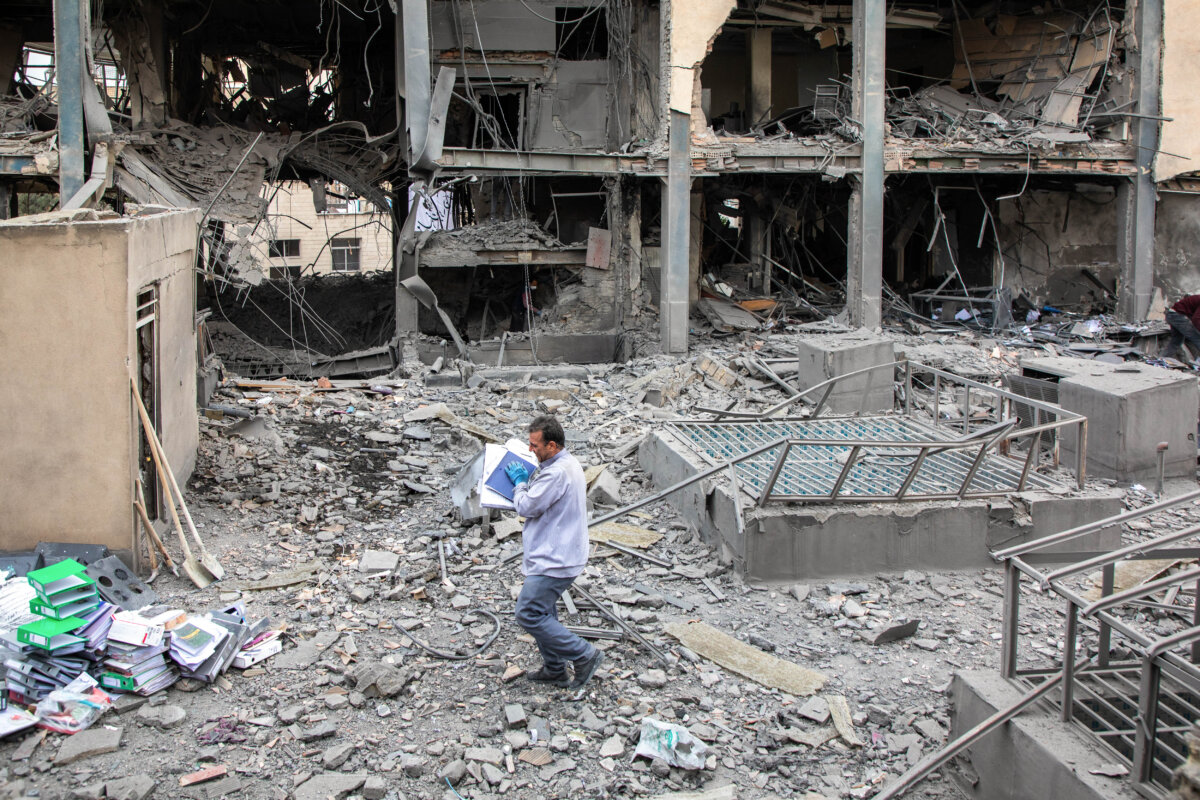

Pakistan said it is prepared to host talks between the United States and Iran aimed at ending the Middle East war, although no timeline has been agreed on, and any negotiations would depend on when both sides are ready to engage.
Pakistan’s Ministry of Foreign Affairs said on April 2 that Islamabad is willing to facilitate dialogue, positioning itself as a key intermediary as diplomatic efforts to de-escalate the conflict gather pace.
At a news conference in Islamabad, ministry spokesperson Tahir Andrabi said the timing of any talks would be determined by Washington and Tehran.
“Both Iran and the U.S. have expressed their confidence in Pakistan to facilitate these talks,” Andrabi said, adding that Islamabad would be “honored to host and facilitate” negotiations toward a “comprehensive and lasting settlement” of the war.
He said regional powers, including Saudi Arabia, Turkey, and Egypt, have backed efforts to create conditions for negotiations, with foreign ministers agreeing on the need to reduce escalation and open a diplomatic track.
Pakistan has increasingly emerged as a diplomatic broker in the conflict, relaying messages between the two sides and promoting frameworks for talks.
Officials in Pakistan have said the country has already passed proposals between Washington and Tehran and is working with regional and global partners to build support for a negotiated settlement.
U.S. special envoy to the Middle East Steve Witkoff confirmed during a recent Cabinet meeting that the United States had conveyed a 15-point cease-fire proposal to Iran, although he did not provide details on the plan.
“We have, along with your foreign policy team, presented a 15-point action list that forms the framework for a peace deal,” Witkoff said. “This has been through the Pakistani government, acting as the mediator, and this has resulted in strong and positive messaging and talks.”
Witkoff added that Iran is “looking for an off-ramp” following Trump’s threats to order strikes against Iranian power plants.
“Indications that you are willing to listen to peace proposals have been well received,” Witkoff told Trump.
Diplomacy Efforts Intensify Amid War Pressures
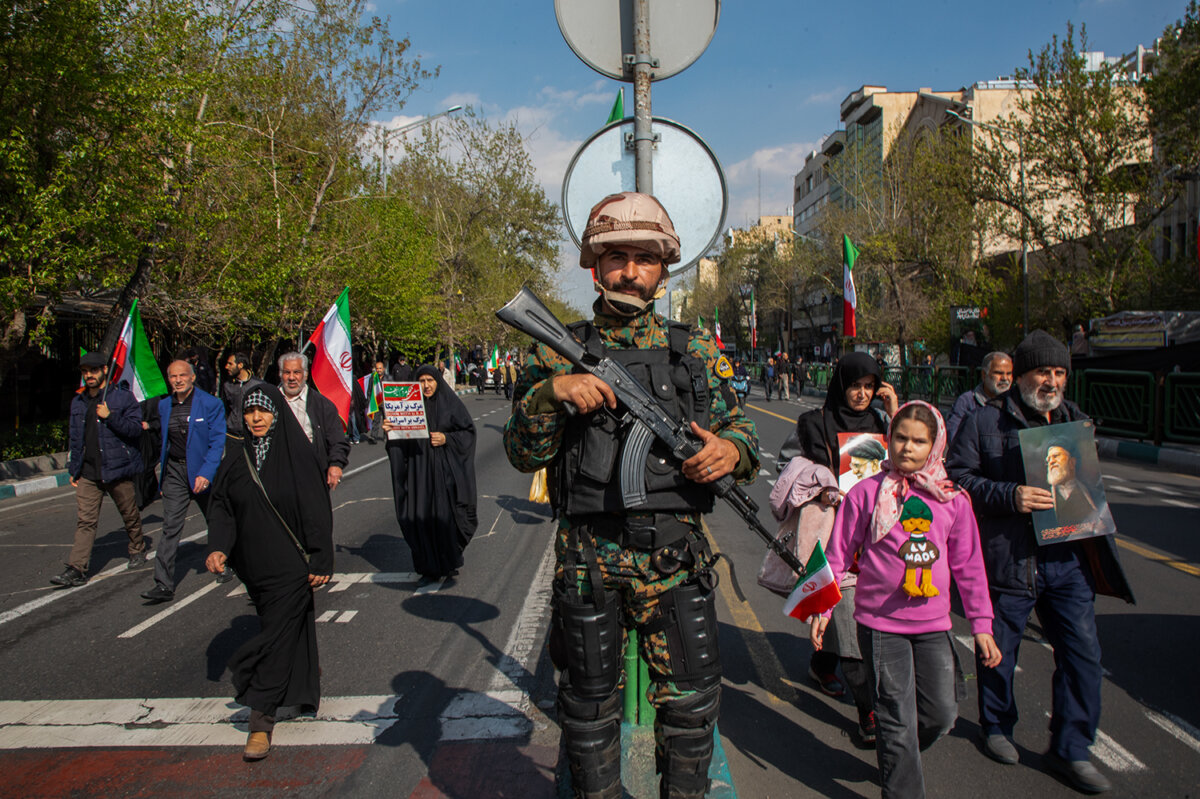
Pakistan’s offer comes as concern grows over the war’s economic fallout, including disruptions to energy markets and shipping through the Strait of Hormuz. The waterway, which carries roughly 20 percent of global seaborne oil, has been restricted by Iran in response to U.S.–Israeli strikes, pushing prices higher and raising fears of broader supply shocks.
Washington has continued to signal that diplomacy remains possible even as military pressure builds. Trump has said talks with Tehran are ongoing and making progress, while warning that further strikes could follow if no agreement is reached.
Iranian officials have acknowledged exchanging messages through intermediaries but have not indicated a readiness to enter formal negotiations.
Iranian Foreign Minister Abbas Araghchi said in a March 31 interview with Al Jazeera that Tehran is receiving messages—some direct, others via regional intermediaries—but does not consider this a negotiation process.
The question whether talks are underway has become a point of contention. Trump has repeatedly said negotiations—both direct and indirect—are taking place, including claiming this week that progress has been “very good” and that Iran had sought a cease-fire. Iranian officials have rejected those assertions and expressed skepticism about U.S. proposals, including the 15-point framework.
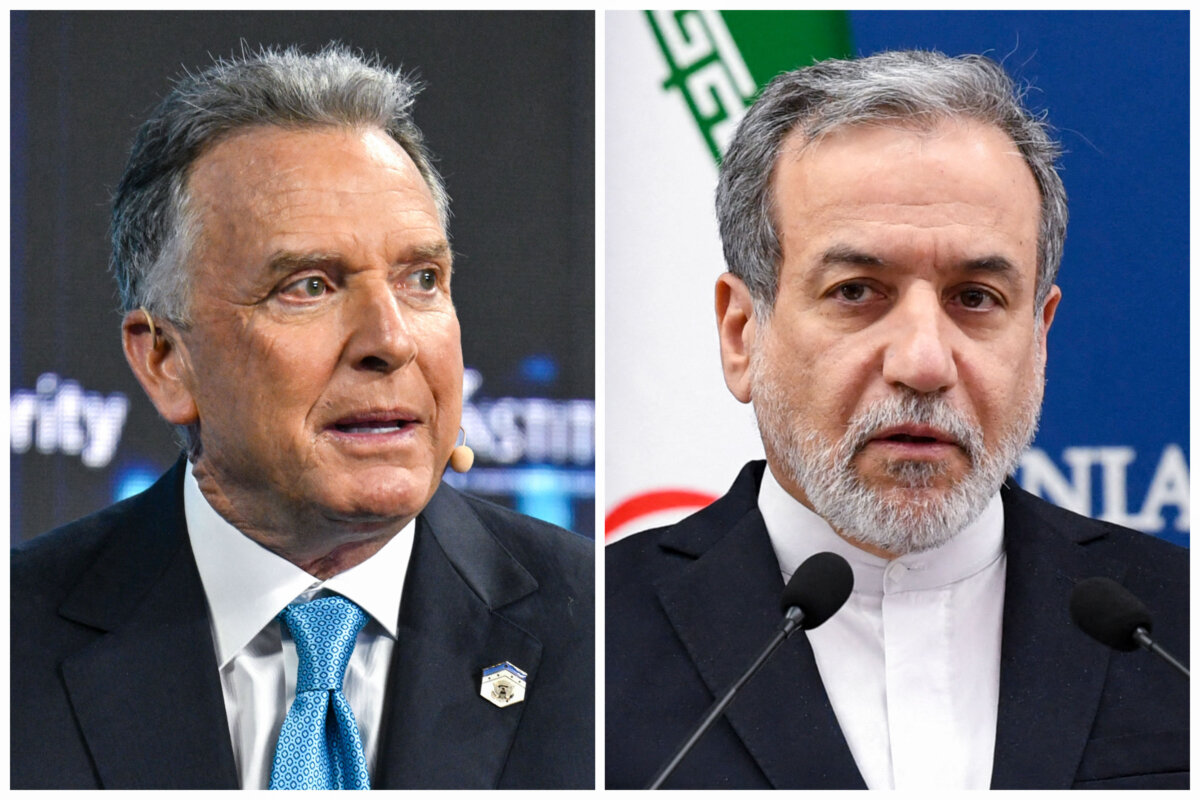
Araghchi said Iran has not formally responded to the plan and continues to demand a full end to hostilities rather than a temporary cease-fire, along with guarantees against future attacks and compensation for damages.
Prospects for a near-term deal remain uncertain amid ongoing fighting, and Trump has warned of further escalation if talks fail.
In an April 1 address, Trump said U.S. operations were nearing completion but warned of further escalation.
“We’re going to hit them extremely hard over the next two to three weeks,” he said, adding that the United States could target Iran’s critical infrastructure, including power generation facilities, if no deal is reached.
He also urged countries dependent on energy flows through the Strait of Hormuz to take a more active role in securing shipping lanes, saying the United States would help but not lead such efforts.
Iranian President Masoud Pezeshkian has signaled openness to de-escalation, writing in an April 2 open letter that the conflict has reached a “crossroads” where continued confrontation would be “costly and futile.”
“The choice between confrontation and engagement is both real and consequential; its outcome will shape the future for generations to come,” Pezeshkian wrote.
Pezeshkian’s remarks stopped short of endorsing cease-fire talks and did not address Trump’s claim that Tehran had sought a cease-fire, while questioning whether the conflict serves the interests of Americans.
 Friends Read Free
Copy
Facebook
Tweet
Friends Read Free
Copy
Facebook
Tweet