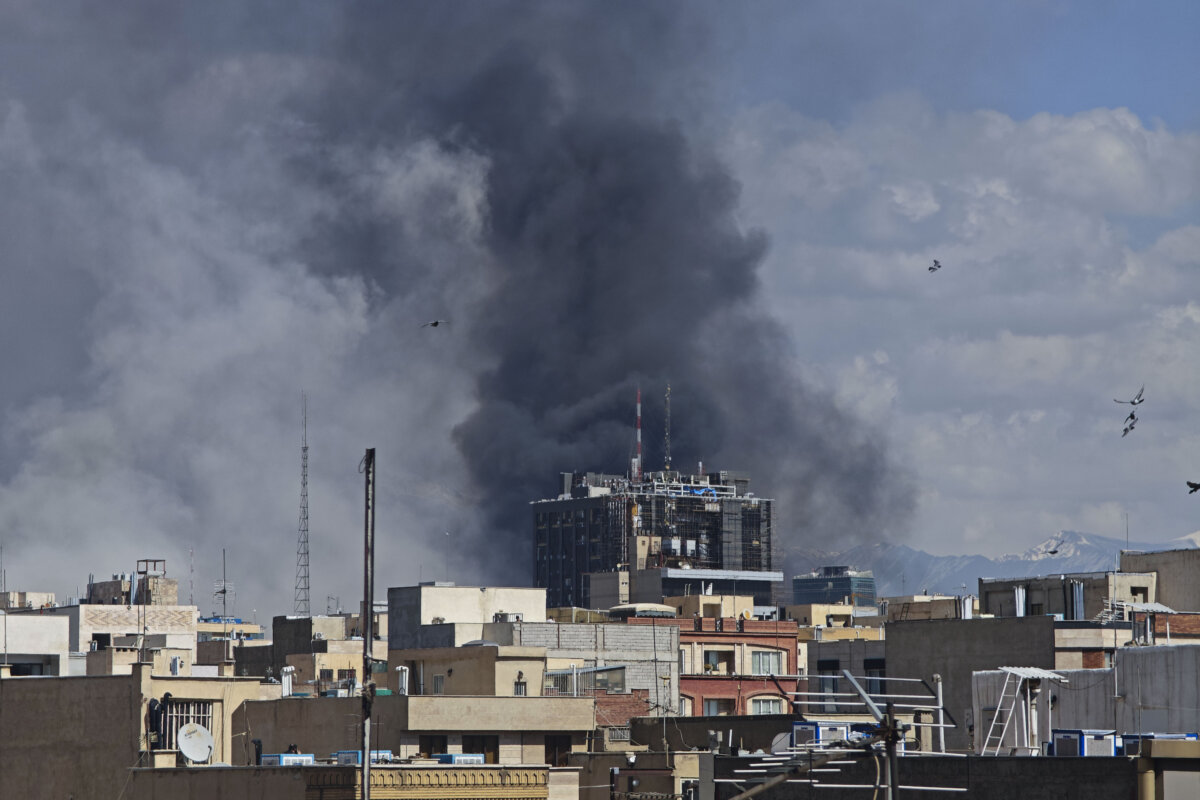

Pakistani Prime Minister Shehbaz Sharif said Saturday that the United States and Iran are on the verge of an agreement on a framework for a peace deal to settle the ongoing war diplomatically and are expected to sign the initial memorandum of understanding as soon as within the next 24 hours.
Sharif, whose country has been mediating in efforts to bring the conflict to a diplomatic resolution, said Pakistan was preparing for an electronic signing of the framework memorandum, which would be followed by technical talks that would flesh out the contours of a broader agreement that would settle the war.
“We are closer to a peace deal than ever before,” Sharif said in a June 13 post on X. “With finalisation likely expected in the next 24 hours, Pakistan is preparing for the electronic signing of the peace deal immediately after, followed by technical level talks next week.”
The Pakistani leader thanked the United States and Iran for what he said was their ongoing commitment to reach a negotiated settlement to the conflict.
“We are confident that this historic peace deal will form a strong foundation for lasting peace,” he wrote.
The United States and Iran both signaled in recent days that an agreement to end their war was close.
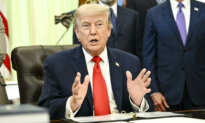
U.S. President Donald Trump said this week that a deal could be signed within days and announced that he had canceled planned military strikes against Iran after the terms of the framework memorandum had been discussed and approved at the highest levels of Iranian leadership.
A senior Trump administration official told reporters on Friday that both sides had agreed on a text and that an initial deal could be signed in the coming days.
Iranian officials, too, have signaled an agreement could be imminent, while also expressing some caution.
Foreign Minister Abbas Araghchi took to social media on Friday to say that a deal “has never been closer.”
Araghchi was also cited by Iranian state-run media IRNA as saying on Friday that the memorandum of understanding would be signed digitally by both the United States and Iran, and that this “could happen within the next day or two, or it may happen within the coming days.”
On Saturday, Iran’s Foreign Ministry spokesperson Esmaeil Baghaei was cited by state-affiliated Tasnim news agency as saying that, while the exact timing of the signing of the memorandum has not been decided, it will not be on Sunday.
“As for the exact timing of the signing of the memorandum, we must wait and see,” Baghaei said. “Although it will not be tomorrow, the possibility that it could take place in the coming days cannot be ruled out.”
While details of the memorandum remain unclear, Araghchi said they had been discussed and approved by top Iranian leadership. He said ending the war “on all fronts,” including in Lebanon, is among the terms of the framework.
“The details of the memorandum will not be disclosed until it is finalized, as changes may still be made up until the very last moment,” he said. “Once finalized, the details will be explained to the public.”
After the memorandum is signed, Aragchi said Tehran and Washington will begin talks on a final agreement, which will cover the fate of Iran’s nuclear program as well as the potential release of Iranian assets frozen by the United States.
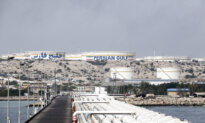
Despite both sides indicating that the deal is approaching the finish line, tensions remained elevated in the Gulf. The U.S. military said early Saturday that it had downed several Iranian attack drones targeting commercial ships sailing through the Strait of Hormuz, the key maritime chokepoint that Iran has been blocking.
One of the central issues in the talks has been freedom of navigation through the strait, through which a significant share of the world’s seaborne oil trade normally transits. Shipping traffic has slowed to a trickle due to Iran’s blockade, sending crude oil prices soaring and triggering fears of outright shortages of food and other key commodities.
Another key U.S. goal in the talks has been to prevent Iran from ever obtaining nuclear weapons.
A senior U.S. official told reporters in a June 12 call that the draft framework would reopen the Strait of Hormuz and that it would require Iran to eventually turn over its stockpile of highly enriched uranium to be destroyed on site and then removed from the country.
Aragchi said Friday that the nuclear issue would be discussed during a 60-day negotiating window that would start with the signing of the memorandum.
Baghaei said in remarks cited by Tasnim that the memorandum is focused on ending the war and “at this stage it has been decided that there will be no discussion of the nuclear issue.”
 Friends Read Free
Copy
Facebook
Tweet
Friends Read Free
Copy
Facebook
Tweet