
Around 140 U.S. service members have been wounded in 10 days of fighting since Operation Epic Fury against Iran first began, the Pentagon said on March 10.
The vast majority of the injuries were minor, and 108 of those injured have returned to duty, chief Pentagon spokesman Sean Parnell said in a statement sent to The Epoch Times.
“Eight service members remain listed as severely injured and are receiving the highest level of medical care,” Parnell said.
The conflict has also resulted in the death of seven service members, U.S. Central Command confirmed last week. Four of them were killed after an Iranian drone hit the port of Shuaiba, Kuwait, on March 1.
The names of the fallen service members are Sgt. Benjamin Pennington, 26, of Glendale, Kentucky; Capt. Cody Khork, 35, of Winter Haven, Florida; Sgt. 1st Class Nicole Amor, 39, of White Bear Lake, Minnesota; Sgt. 1st Class Noah Tietjens, 42, of Bellevue, Nebraska; Sgt. Declan Coady, 20, of Des Moines, Iowa; Maj. Jeffrey R. O’Brien, 45, of Indianola, Iowa; and Chief Warrant Officer 3 Robert M. Marzan, 54, of Sacramento, California.
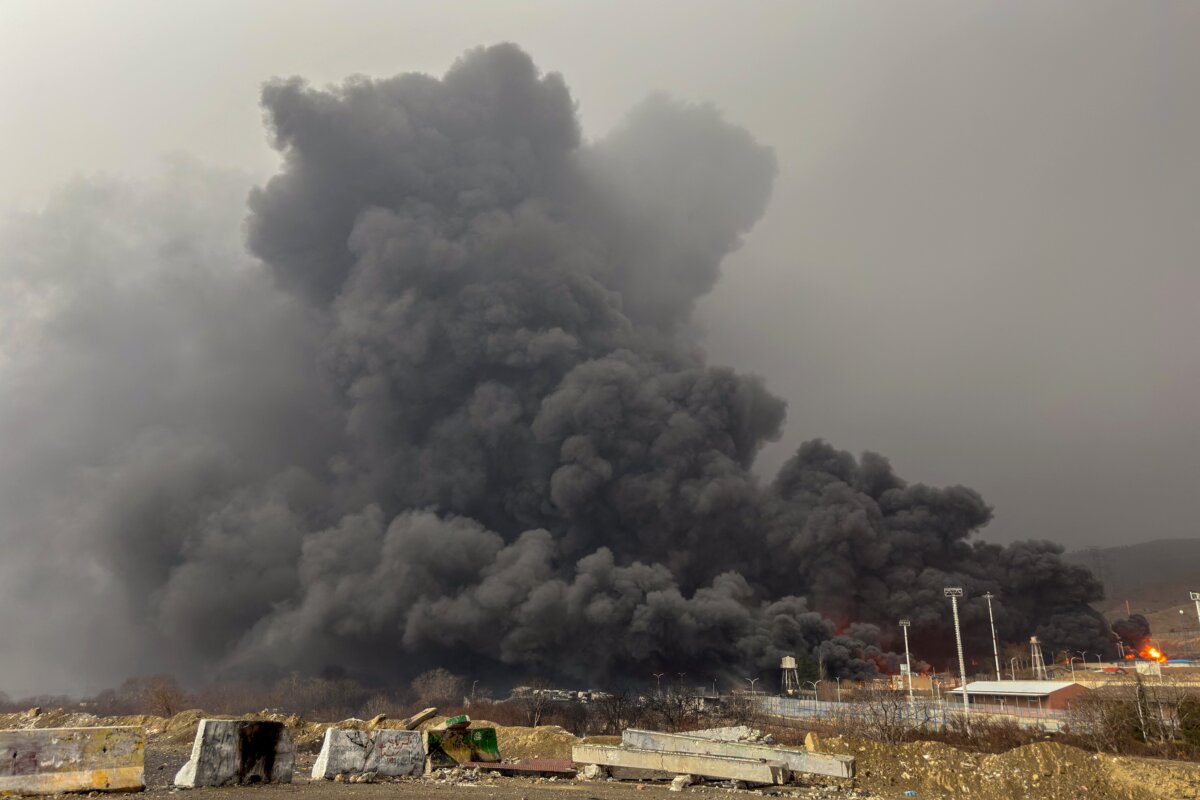
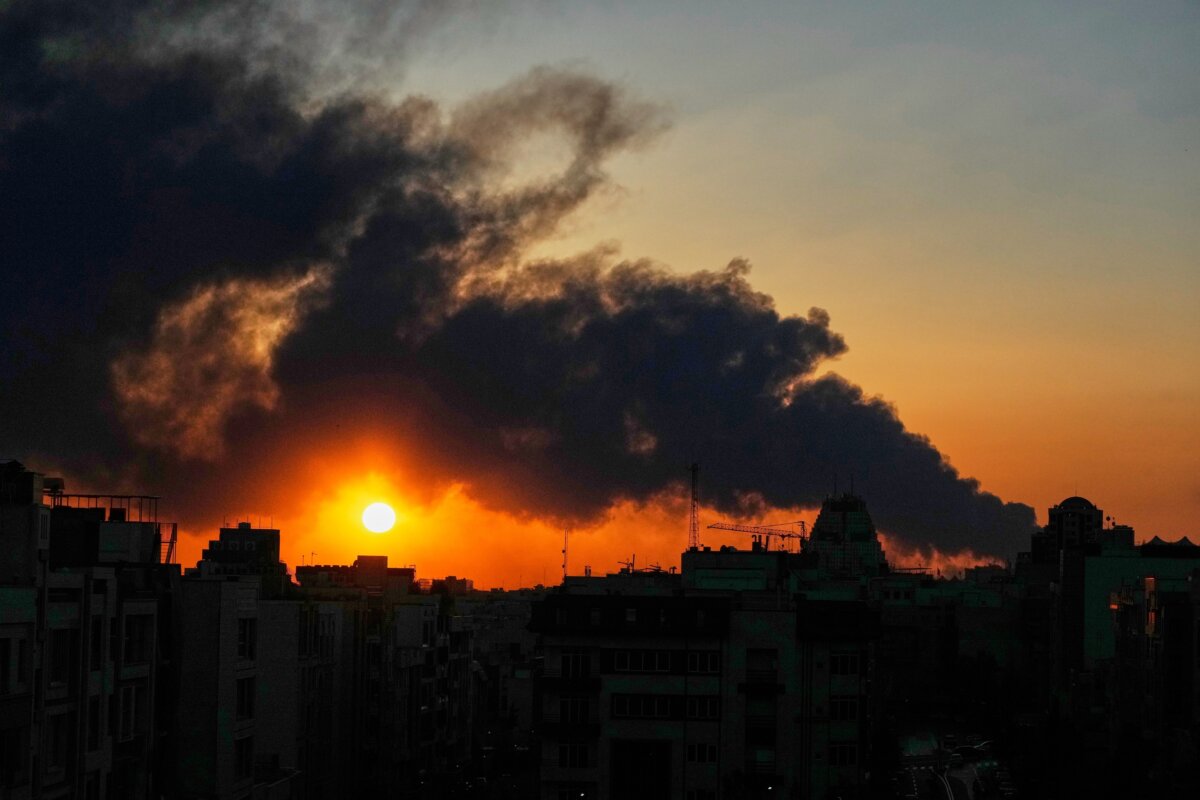
The United States has struck more than 5,000 targets across Iran since the start of U.S.–Israeli military operations across Iran on Feb. 28, according to Central Command.
U.S. Secretary of War Pete Hegseth told reporters the United States was winning with “an overwhelming and unrelenting focus on our objectives.”
Hegseth said March 10 was expected to be the most intense day yet of U.S. strikes in Iran.
The Islamic regime vowed to continue fighting despite having diminished firepower.
Top Iranian security official Ali Larijani wrote on X on March 10: “The Ashura-loving nation of Iran does not fear your paper threats. Even those greater than you could not eliminate the Iranian nation. Watch out for yourself—lest you be eliminated!”
In the first 10 days, the U.S.–Israeli operation has targeted the regime’s command and control centers, intelligence sites, air defense systems, and ballistic sites, sunk 51 navy ships and submarines, and destroyed anti-ship missile sites, hampering its military communication capabilities and ballistic missile and drone manufacturing, according to Central Command.
U.S. President Donald Trump said eliminating Iran’s ability to make nuclear weapons and ending the regime’s threat to the rest of the world was quickly achieved and that he expects the conflict to be over soon.
“We’re winning very decisively,” Trump told reporters March 9 from his Doral golf club in Miami before heading back to Washington. “We’re way ahead of schedule. It’s going to be ended soon. And if it starts up again, they’ll be hit even harder.”
Israeli Prime Minister Benjamin Netanyahu said the war’s aim was to overthrow the Iranian regime.
 Friends Read Free
Copy
Facebook
Tweet
Friends Read Free
Copy
Facebook
Tweet