
The landmark summit on Aug. 15 between U.S. President Donald Trump and Russian President Vladimir Putin has led to speculation that a deal to end the war in Ukraine could be in the offing.
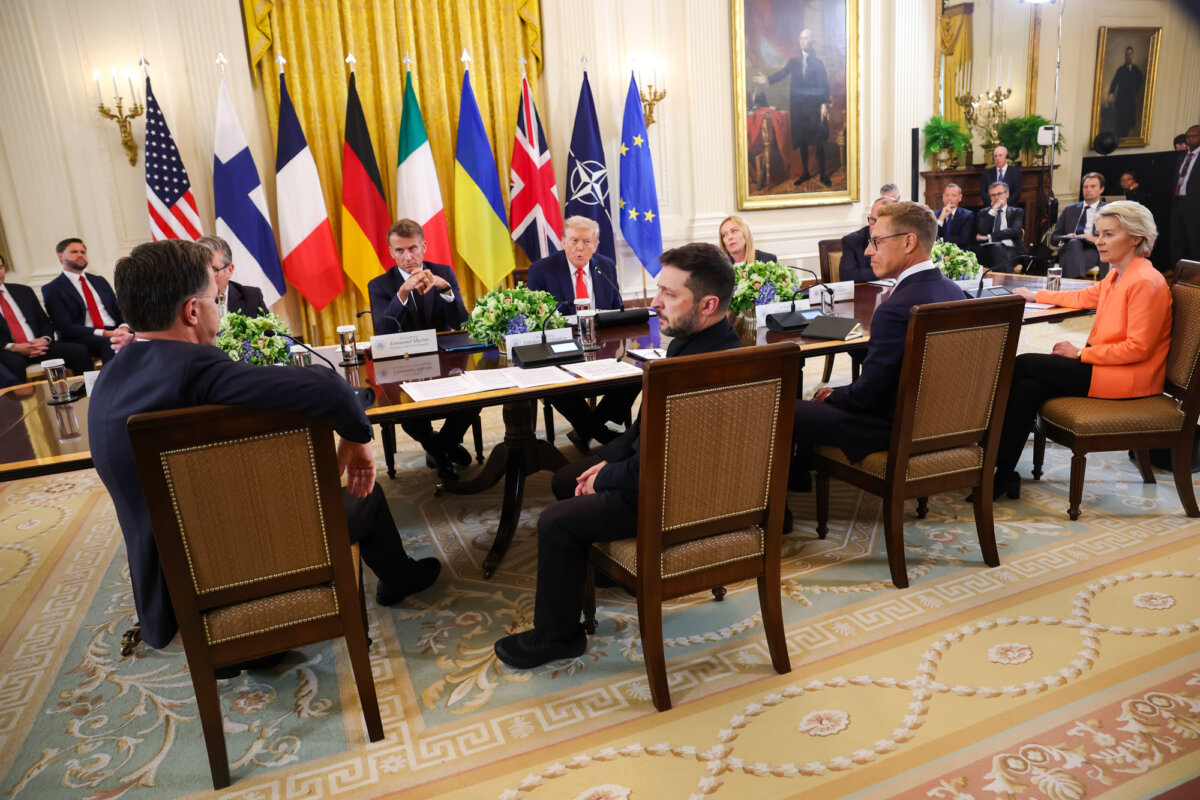
In the event of a settlement, Kyiv and its allies want assurances—or security guarantees—that would serve to deter any future Russian aggression against post-conflict Ukraine.
The leading European supporters of Washington and Kyiv have issued several proposals for security guarantees, but they have yet to agree on what form these would take.
Here are four proposed security guarantees that Kyiv might receive from the West based on the latest statements emanating from Washington and European capitals.
Boots on the Ground
Some European countries have said that if Russia absorbs the four regions it claims as part of a broader settlement, then they will send troops to Ukraine to protect the country’s redrawn eastern border.
French President Emmanuel Macron and UK Prime Minister Keir Starmer have both voiced support for troop deployments as part of a “Coalition of the Willing,” which also includes Germany and at least 30 of Ukraine’s other allies.
German Chancellor Friedrich Merz has also signaled support for his country’s participation in a possible troop deployment scheme.
Speaking to Reuters on Aug. 21, André Wuestner, head of the German Armed Forces Association, said the coalition’s biggest members, namely France, Germany, and the UK, would each have to commit at least 10,000 troops for long-term deployment in Ukraine.
Several smaller coalition members, including Belgium, Estonia, and Lithuania, have also said they are willing to contribute troops.
Trump has ruled out the notion of sending U.S. troops to Ukraine.
“The president has definitively stated U.S. boots will not be on the ground in Ukraine,” White House press secretary Karoline Leavitt told reporters on Aug. 19.
Reuters reported on Aug. 22, citing anonymous sources, that one option being considered was the deployment of European forces under U.S. command.
But even European boots on the ground appear unlikely at this stage, given Moscow’s staunch opposition to such a scenario.
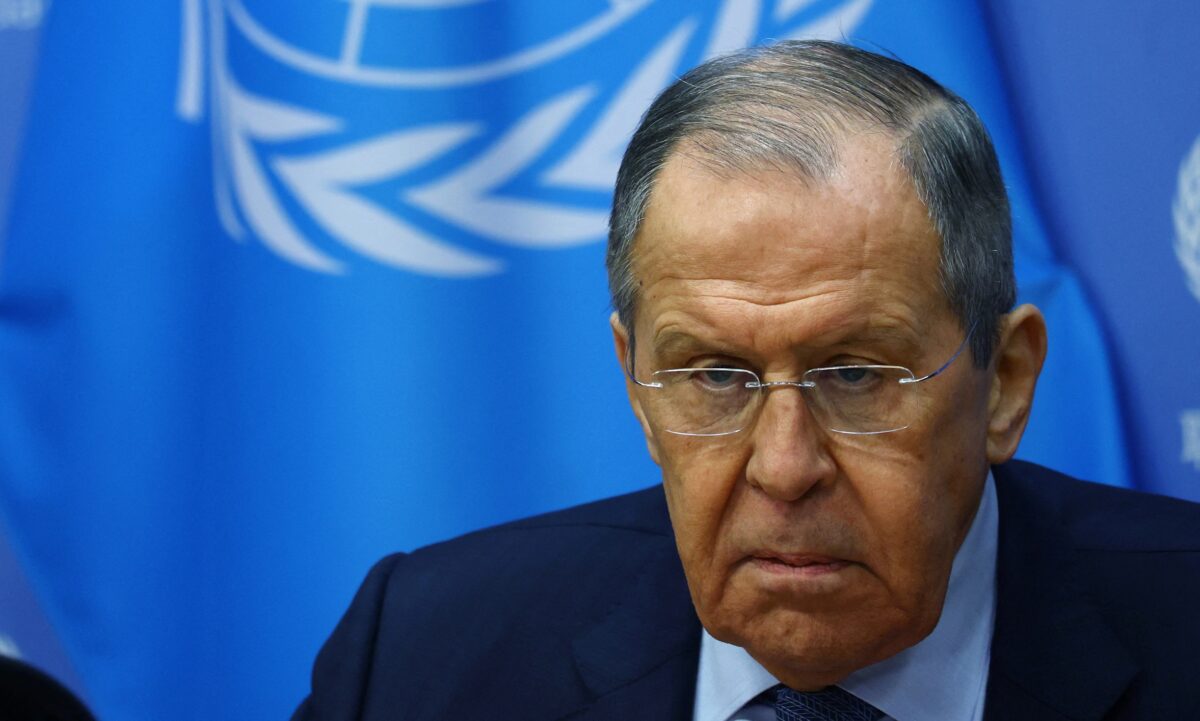
On Aug. 21, Russian Foreign Minister Sergey Lavrov said the deployment of Western troops to post-conflict Ukraine was “absolutely unacceptable for Russia and for all sensible political forces in Europe.”
Air Support
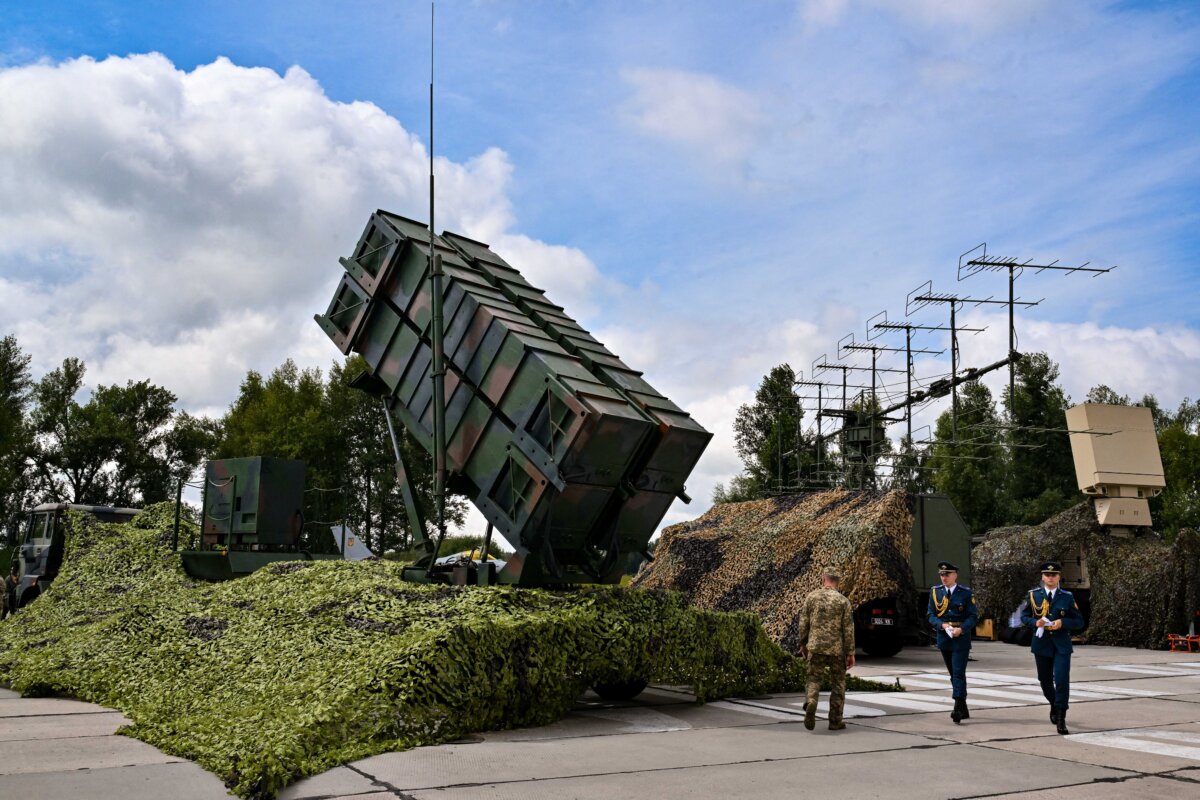
But while Trump has ruled out U.S. troop deployments, he has also suggested that Washington could provide Kyiv with some as-yet-undefined form of air support.
On Aug. 19, he told Fox News that the United States could provide air backing to Ukraine “because nobody has stuff [the United States has].” He did not provide details.
Shortly afterward, Leavitt confirmed that U.S. air support for Ukraine, in some form or another, was “an option and a possibility.”
Although details remain unclear, that support could take the form of stepped-up deliveries of U.S. air defense systems to Kyiv or U.S. warplanes enforcing a no-fly zone over Ukrainian territory.
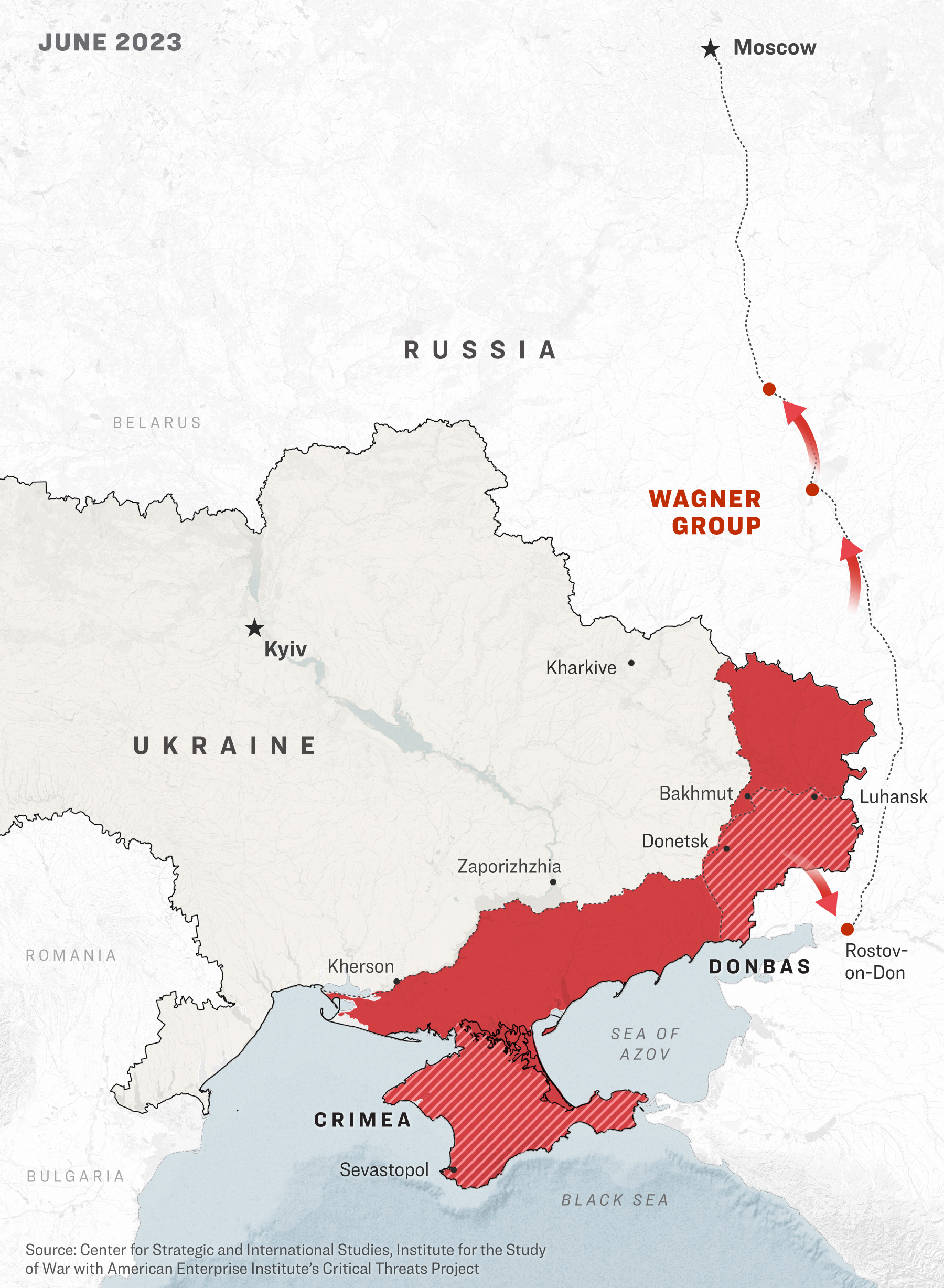 A map showing territorial control along the Ukraine–Russia border as of Feb. 26, 2025. (Illustration by The Epoch Times)
The latter option could entail positioning U.S. military aircraft at bases in countries neighboring Ukraine, such as NATO members Poland or Romania.
On Aug. 20, The Sunday Times reported that Kyiv’s European allies were urging the United States to deploy F-35 fighters to Romania, where the continent’s largest NATO airbase is currently under construction.
NATO Membership
For most of Kyiv’s European allies, Ukrainian membership in the NATO alliance would be the ultimate guarantee of the country’s security in the face of future Russian aggression.
But this has looked increasingly unlikely since April, when Keith Kellogg, Trump’s special envoy for Ukraine, said Ukrainian NATO accession was “off the table.”
Trump himself has previously stated that U.S. support for Ukraine’s NATO membership was a primary cause of the ongoing conflict, a circumstance he blamed on the previous administration.
Speaking to Fox News on Aug. 19, Trump repeated his commitment to providing Kyiv with security guarantees while also asserting, “It can’t be NATO.”
Were Ukraine to join NATO, Article 5 of its founding charter would oblige the alliance’s 32 members to automatically come to Kyiv’s defense in the event of a Russian attack.
‘Article 5-Like’ Guarantees
In lieu of full-fledged NATO membership, some have suggested giving Ukraine “Article 5-like” guarantees of military support.
On Aug. 17, Steve Witkoff, Trump’s special envoy to the Middle East, said Putin had agreed to allow Kyiv’s allies to provide Ukraine with such protection within the context of a wider settlement.
On Aug. 18, NATO Secretary-General Mark Rutte said Ukraine’s membership in the alliance was not being considered for now, while also hinting at possible security guarantees.
“What we are discussing here is Article 5-type … security guarantees for Ukraine, and what exactly they will entail will now be more specifically discussed,” Rutte told Fox News.
As of the time of writing, Moscow had yet to respond to Western proposals for “Article 5-like” guarantees.
But on Aug. 20, Lavrov said Western efforts to resolve security issues pertaining to Ukraine—without input from Moscow—were a “road to nowhere.”
“Now it is [being] proposed to resolve questions of … collective security without the Russian Federation,” he said. “This will not work.”
The following day, Moscow’s top diplomat accused European leaders of seeking security guarantees for Ukraine with the aim of “isolating” and inflicting a “strategic defeat” on Russia.
“This cannot evoke any feelings other than complete rejection,” he said in remarks cited by Russia’s TASS news agency.
Reuters contributed to this report.
 Friends Read Free
Copy
Facebook
Tweet
Friends Read Free
Copy
Facebook
Tweet