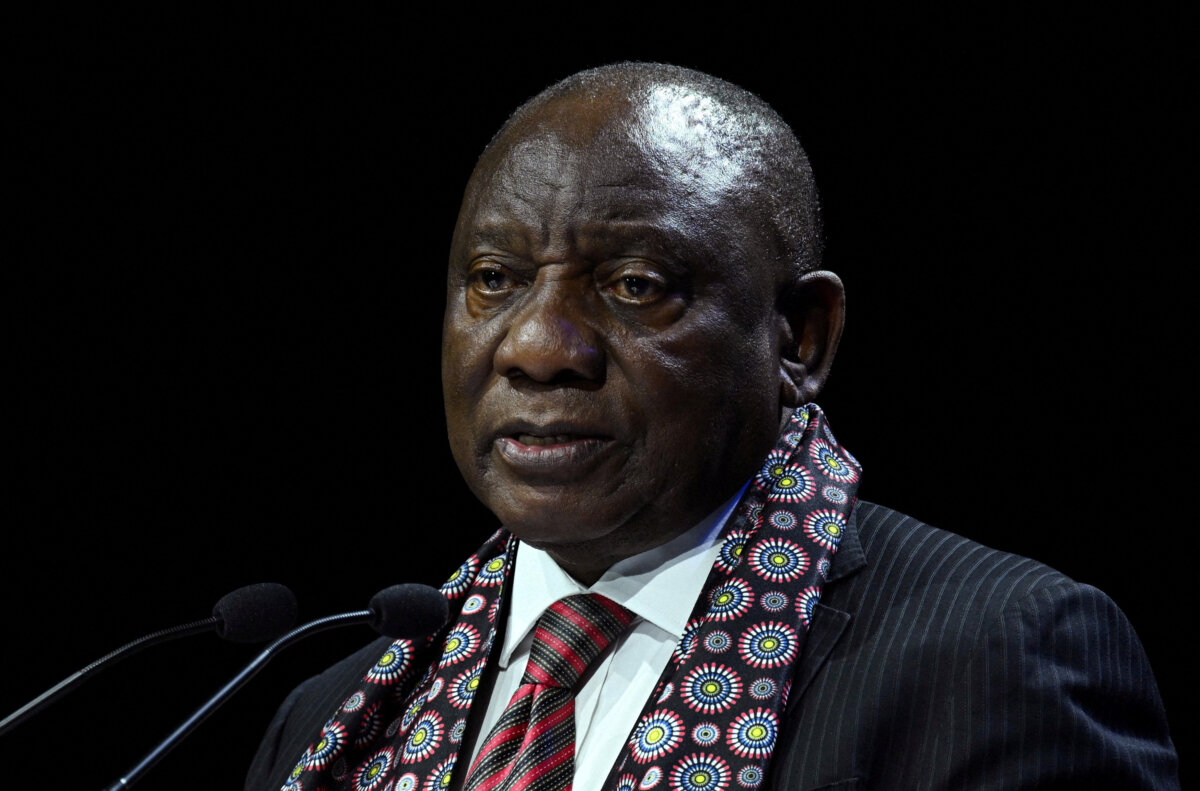
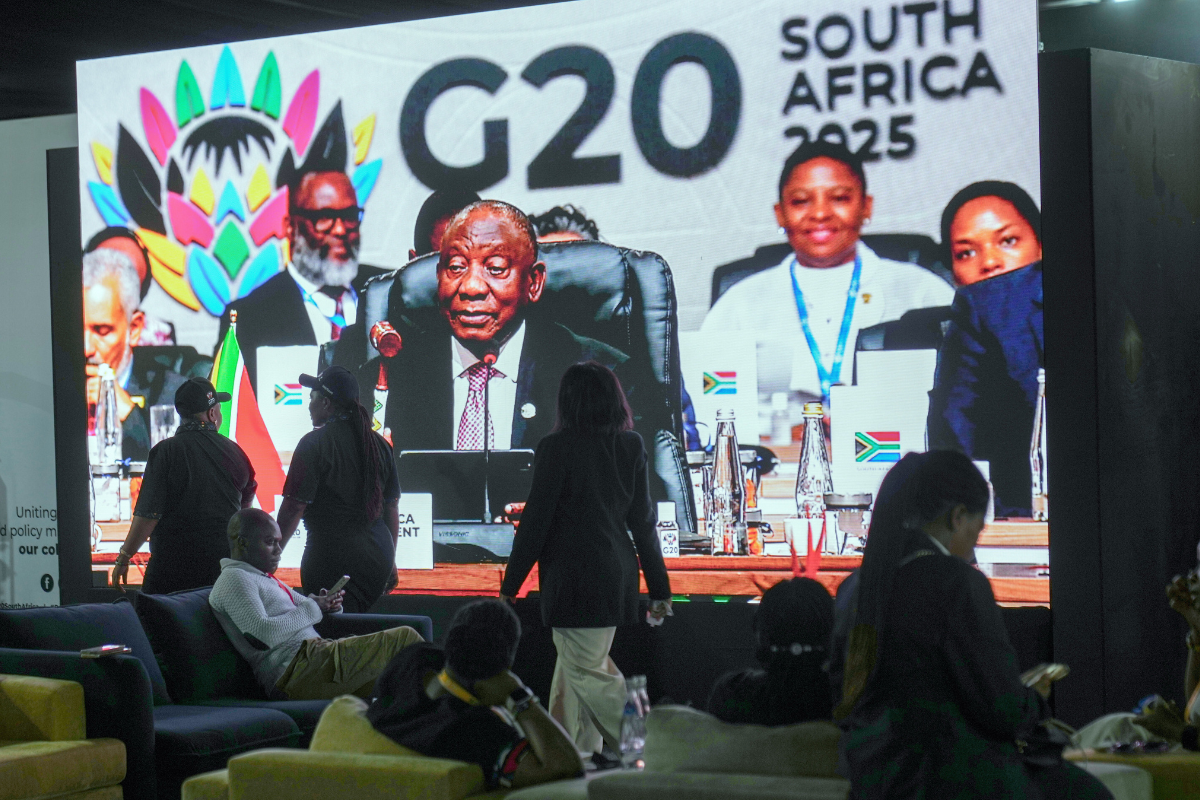
South African President Cyril Ramaphosa said South Africa is a founding member of the G20 and therefore a permanent participant, pushing back against threats by U.S. President Donald Trump not to invite the African nation to the 2026 G20 Summit, which will be hosted by the United States in Doral, Florida.
In a Nov. 30 address to the nation upon the conclusion of the G20 summit in Johannesburg, Ramaphosa said, “We will continue to participate as a full, active, and constructive member of the G20.”
On Nov. 26, Trump broke protocol to disinvite South Africa from participating in the G20 summit next year, saying that Pretoria refused to hand over the rotating G20 presidency to a senior U.S. representative who was present at the closing ceremony.
Trump had previously said that no U.S. official would attend the South African summit. The United States then offered to send the U.S. chargé d’affaires for the handover. South Africa rejected that offer.
Ramaphosa’s spokesperson, Vincent Magwenya, said at the time that the South African president “will not hand over to a junior embassy official the presidency of the G20.”
“It’s a breach of protocol that is not going to be accommodated,” Magwenya said.
The 2026 summit is to be hosted by the U.S. president at his Miami property, the Trump National Doral Golf Club, in December 2026.
In his remarks, Trump also accused the South African government of refusing to “acknowledge or address the horrific Human Right Abuses endured by Afrikaners,” which he said involved “killing white people” and “randomly allowing their farms to be taken from them.”
Trump made similar remarks when he announced that the United States was boycotting this year’s summit in Johannesburg.
“No U.S. Government Official will attend as long as these Human Rights abuses continue,” Trump said in a Nov. 7 post on Truth Social.
Ramaphosa and his office have denied the claims, saying that the U.S. president is spreading “blatant misinformation” about South Africa.
“It is even more unfortunate that the reasons the U.S. gave for its non-participation were based on baseless and false allegations that South Africa is perpetrating genocide against Afrikaners and the confiscation of land from white people,” Ramaphosa said on Nov. 30.
He added that the G20 presidency was handed over to the United States with the “appropriate diplomatic protocols” observed.
His office had said on Nov. 26 that the United States was not present at the Nov. 23 closing ceremony.
“As the United States was not present at the summit, instruments of the G20 Presidency were duly handover [sic] to a U.S. Embassy official at the Headquarters of South Africa’s Department of International Relations and Cooperation,” the statement read.
Ramaphosa said in his Nov. 30 address, “We must make it clear that South Africa is one of the founding members of the G20 and South Africa is therefore a member of the G20 in its own name and right.”
He noted that despite the diplomatic rift, U.S. businesses and civil society groups had been actively engaged in G20-related events in Johannesburg and that his government would continue to engage with the U.S. government.
“We affirm our commitment to continue to engage in dialogue with the United States government, and to do so with respect and with dignity as equal sovereign countries,” he said. “We value the United States government and its people as a partner.”
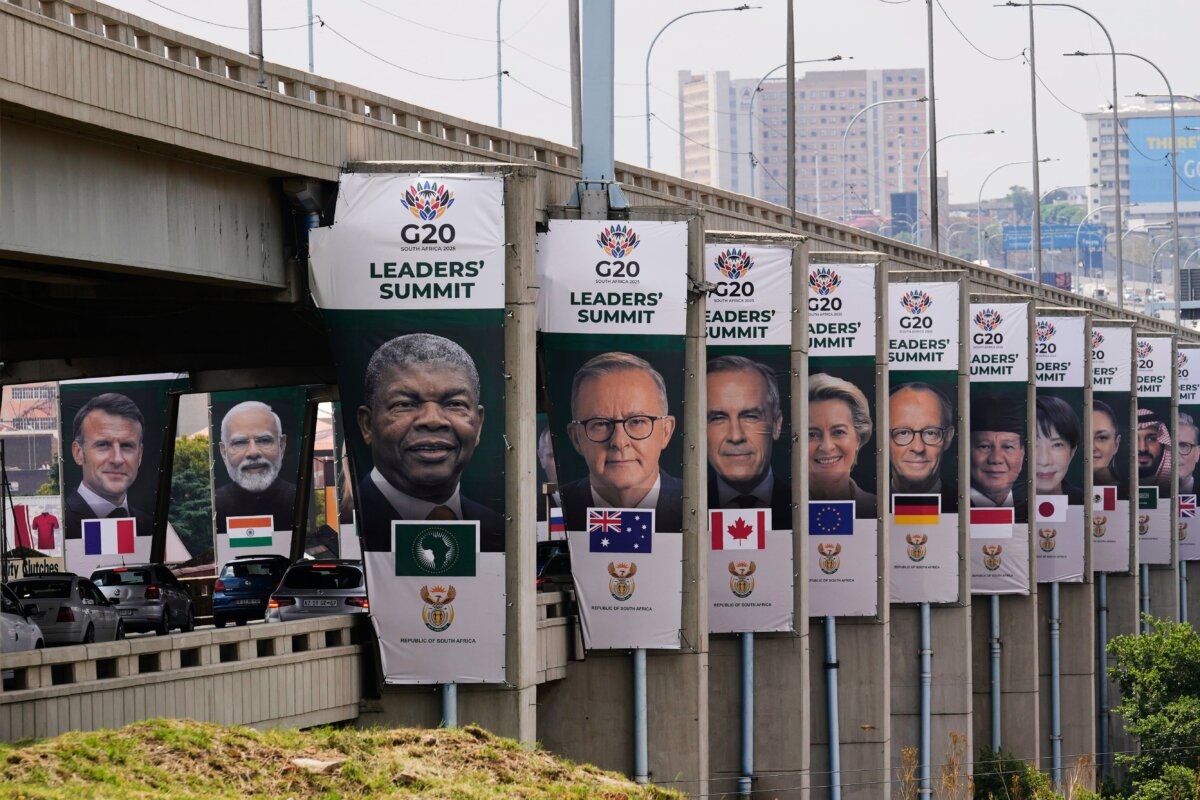
South Africa has continued to deny allegations of human rights abuses.
“The characterisation of Afrikaners as an exclusively white group is ahistorical,” South Africa’s Department of International Relations and Cooperation said in a Nov. 8 statement. “Furthermore, the claim that this community faces persecution, is not substantiated by fact.”
Land, Property Laws
Since taking office, Trump has criticized South Africa’s domestic and foreign policies, including its land expropriation law and its accusations that Israel committed genocide in the Gaza Strip. Israel denies the accusations.
U.S. Secretary of State Marco Rubio also boycotted a meeting of G20 foreign ministers held in South Africa in February.
In a Feb. 5 post on X, Rubio accused South Africa of promoting diversity, equity, and inclusion and climate change policies.
“South Africa is doing very bad things,” Rubio said at the time. “Expropriating private property. Using G20 to promote ‘solidarity, equality, and sustainability.’”
Since the end of apartheid in South Africa, Pretoria has implemented what it calls affirmative action and Black Economic Empowerment policies, but the South African government has denied seizing land belonging to white citizens.
The 2024 Expropriation Act repeals an Apartheid-era law that allowed the government to seize private land and was previously widely used against black South Africans.
The new law forbids individuals from being arbitrarily divested of their property, orders the government to pay fair market value for any property taken, and directs that expropriation be conducted equitably.
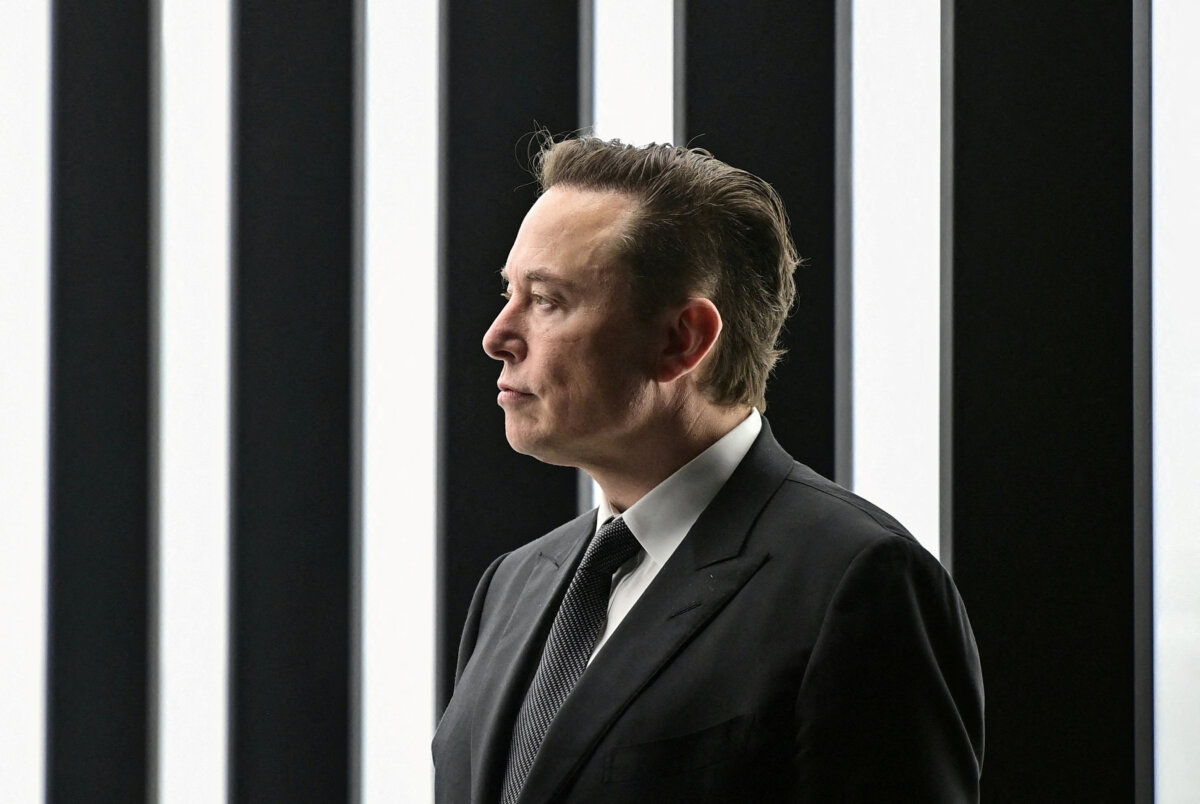
Some critics of the law, including billionaire Elon Musk, who emigrated from South Africa, have said that the law unfairly targets white South Africans.
No race is explicitly targeted by the law, but it does require that previous land seizures based on race, such as those made during Apartheid, be taken into account when determining the appropriateness of land expropriations.
There is also the issue that more than 70 percent of private farmland in South Africa is owned by the white population, which accounts for only about 7 percent of South Africa’s overall population. As such, the law may disproportionately affect them.
The 2025 Expropriation Bill established that there are circumstances in which the government can seize private property without compensation.
Such circumstances include when the land has been abandoned, when the land is worth less than state investments in it, and when the property poses a direct health or safety risk.
The bill also requires that the government seek to negotiate compensation and other terms of acquiring private property from the owner before it can resort to expropriation.
Guy Birchall, Andrew Thornebrooke, Victoria Friedman, and Reuters contributed to this report.
 Friends Read Free
Copy
Facebook
Tweet
Friends Read Free
Copy
Facebook
Tweet