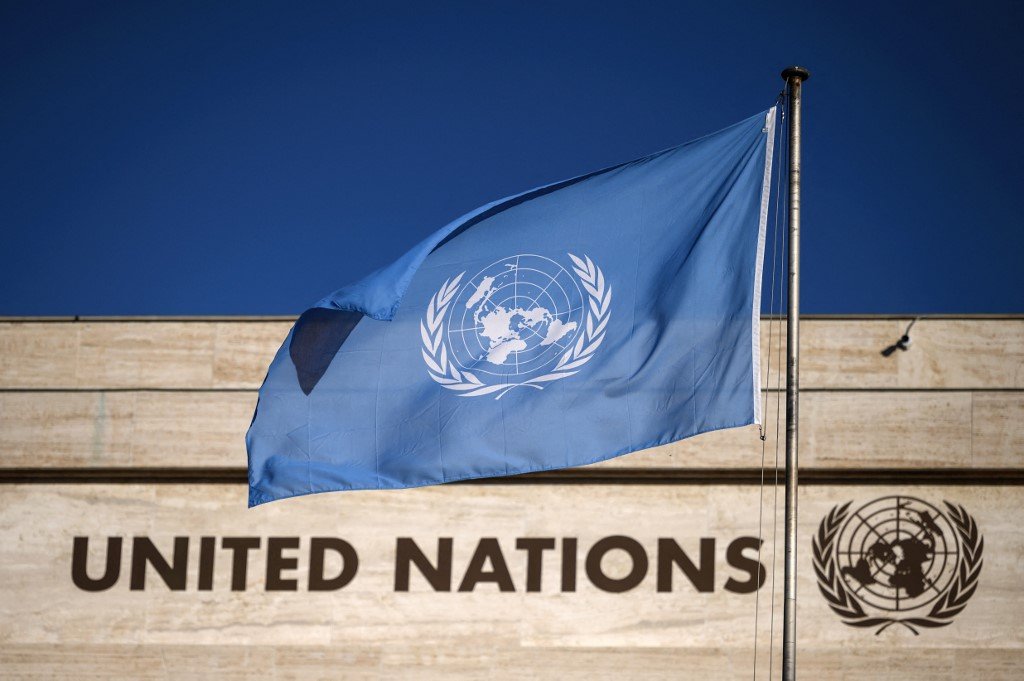

Reinstating United Nations sanctions on Iran by France, Germany, and the UK by the end of August will be warranted if no agreement is reached on a long-term framework for Iran’s nuclear program, the French Foreign Ministry said in a statement.
On July 15, French Foreign Minister Jean-Noël Barrot said the three countries would be justified in reapplying sanctions.
“With regard to Iran, the minister reiterated the priority of resuming negotiations to establish a long-term framework for Iran’s nuclear program,” the French Foreign Ministry said.
“Without a verifiable commitment from Iran by the end of August at the latest, France, Germany, and the UK will be justified in reapplying the U.N. sanctions (snapbacks) that were lifted 10 years ago.”
On July 14, U.S. Secretary of State Marco Rubio held a phone call with the UK, French, and German foreign ministers.
According to the State Department, the officials spoke about fostering stability in the Middle East.
Rubio and Barrot also agreed last month to continue cooperation toward a “diplomatic path that ensures Iran never develops a nuclear weapon.”
Iran Nuclear Deal
France, Germany, and the UK—known collectively as the E3—are signatories to the Joint Comprehensive Plan of Action (JCPOA), a deal with Iran reached in 2015 to limit its nuclear program in exchange for sanctions relief. The agreement was endorsed by U.N. Security Council Resolution 2231.
China, Russia, the United States, and the European Union were also among the original signatories. In 2018, the United States under President Donald Trump withdrew from the deal and reimposed sanctions on Iran.
According to Washington, the agreement had “failed to deal with the threat of Iran’s missile program and did not include a strong enough mechanism for inspections and verification.”
The JCPOA remains in effect until October 2025. In October 2023, the remaining nuclear-related sanctions on Iran, including those targeting ballistic missile activities and sensitive technologies, officially expired.
However, the EU decided to retain restrictive measures related to Iran’s missile program, arms trade, and sensitive technologies.
‘Snapback’ Provision
Under the terms of the JCPOA, a “snapback” provision allows all previous U.N. sanctions related to Iran’s nuclear program to be reimposed if Tehran fails to comply with the requirements.
In 2023, the UK, France, and Germany confirmed the transfer of the U.N. sanctions into domestic sanctions regimes. The three nations said the measure was in response to “continued Iranian non-compliance with their JCPOA commitments and ongoing nuclear escalation.”
The partners also said they were committed to employing the “snapback” process if necessary to prevent Iran from developing nuclear weapons.
Following the UK–France Summit in London on July 10, British Prime Minister Sir Keir Starmer and French President Emmanuel Macron reaffirmed their determination that “Iran can never have a nuclear weapon.”
“We will continue our cooperation, including in the E3 format with Germany, working with the U.S. to ensure a robust deal on Iran’s nuclear programme that takes into account our shared security interests,” a joint statement by the two leaders said. “We will continue to advocate for the resumption of Iran’s full cooperation with the IAEA.”
Nuclear Talks
Iran maintains that its nuclear program is for peaceful purposes. Last week, Iranian Foreign Minister Abbas Araghchi said that Tehran would agree to resume nuclear talks with the United States if there were assurances that it would not lead to more attacks.
His comments follow U.S. and Israeli strikes against Iran’s nuclear facilities in June.
In a report to the U.N. Security Council on June 22, the IAEA said that Iran had amassed more than 400 kilograms (881 pounds) of uranium enriched to 60 percent purity, just below the 90 percent level required for nuclear weapons production.
The agency said that the status of this stockpile remains uncertain following the strikes.
Last month, Iran’s ambassador to the U.N., Amir-Saeid Iravani, said in a statement that “Iran continues to believe a diplomatic resolution to nuclear and sanctions issues is possible.”
He said that Iran remains compliant with the JCPOA, urging other signatories to respect Iran’s rights.
 Friends Read Free
Copy
Facebook
Tweet
Friends Read Free
Copy
Facebook
Tweet