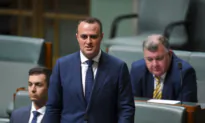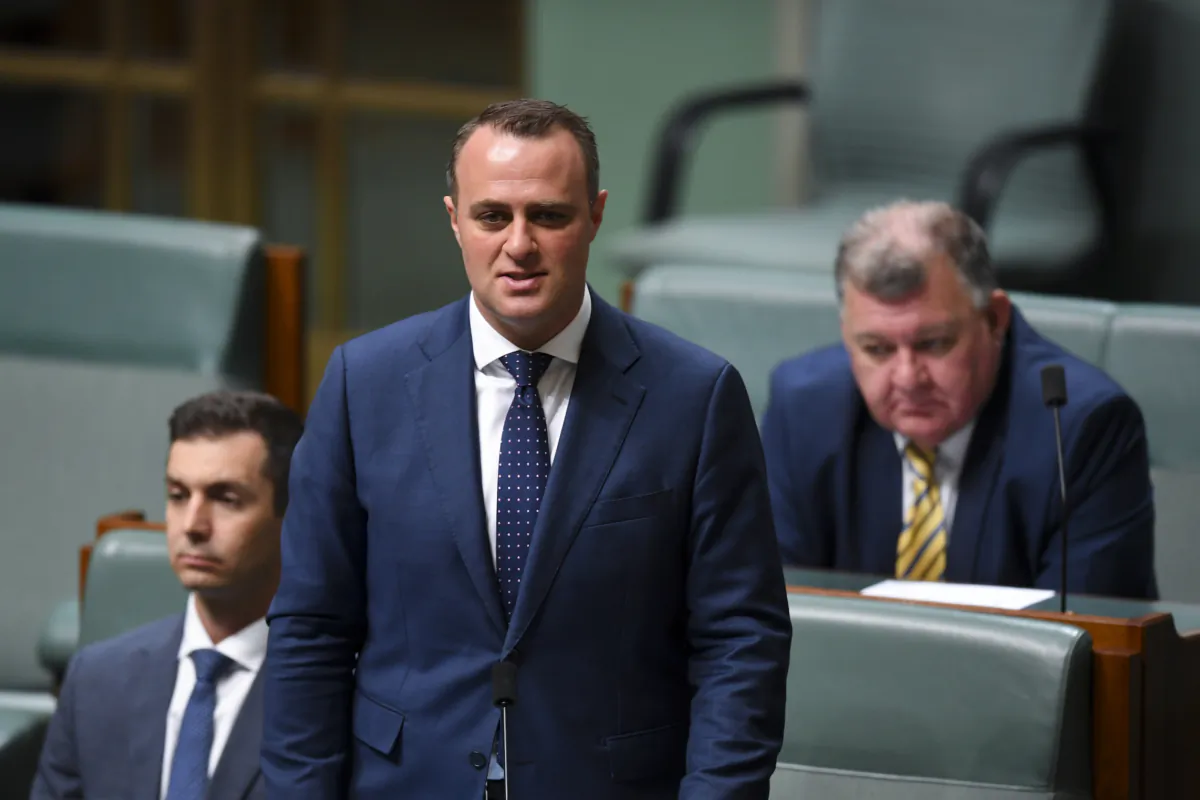


Shadow Treasurer Tim Wilson has delivered a pitch to small businesses and entrepreneurs in response to Labor’s mass tax overhaul, in his post-budget reply.
Wilson said future Coalition government would introduce a dedicated Small Business Act and launched a “Stand with Small” campaign, arguing that business owners had been sidelined in policymaking.
Speaking at the National Press Club on May 20, Wilson said the Coalition wanted to return to supporting “self-starters” and create economic support.
The proposed legislation would create a single legal definition of small business across Commonwealth law and include consultation on reducing red tape.
Wilson said the Coalition would also aim to give more government work to small business and look at introducing a “right to be paid” clause—setting maximum periods for governments and large companies to pay small businesses for their services.
The Labor government introduced a 20-day payment term for contractors doing construction work for Government Business Enterprises.
Meanwhile, Wilson also pledged to give small businesses a bigger voice with formal feedback channels on new laws and direct communication with the Reserve Bank, the Australian Taxation Office, the Australian Securities and Investments Commission, and the Fair Work Commission.
Wilson urged business owners to share feedback on “www.standwithsmall.org,” while also promising in person consultations across the country over the coming months.
“We have an economy designed for the 20th century, and I am no longer convinced tinkering at the margins will fix it.”
The Coalition also signalled plans to protect cash payments through legislation.
The issue has gained increasing attention as businesses and consumers raise concerns over declining cash use, with the Reserve Bank and federal Labor government committing to keeping cash available for as long as demand remains.
Sharp Response From Businesses
The federal government is grappling with the fallout from its increase to capital gains tax—by removing the 50 percent discount—restrictions on negative gearing, and a new 30 percent tax on discretionary trusts, which are often used by small business owners.
Australian small businesses have responded in a mass online movement by posting AI-generated images featuring Prime Minister Anthony Albanese in their business as a “47 percent silent partner” who shares in their earnings.
Businesses who often don’t get much engagement on social media are seeing a big uptick in shares and likes after posting these images.
“I’m all for paying fair tax. I pay plenty of it. But there’s a difference between fair, and discouraging the very people we need building things in this country,” said business owner Maddi Wright.
On May 20, 40 business owners under the age of 40 wrote a joint letter to the prime minister saying Labor’s changes increases the tax burden on entrepreneurs.
“By removing the CGT discount on shares, and replacing it with a cost base indexation scheme, you have clocked us with a massive tax hit and then come up with a replacement that will make things even worse,” they wrote.
“Rather than back us, you have ambushed us with a massive tax increase, a tax that will hit us, the Australians we hire, and the investors who believe in us, the hardest.”
The tax overhaul is also funding a $250 Working Australians Tax Offset to around 13 million workers.
In response to the criticism, Treasurer Jim Chalmers on May 20 said he was still consulting with the business start-up sector.
“We made it clear—privately before the budget, in the budget papers, and publicly after the budget—that there are some issues particular to the start-up sector which have been the focus of our consultation.
“We’re consulting with the sector in good faith to see if there’s a way through that we can both live with. In that instance, that is something that we have flagged previously.”
The treasurer also said there was “misinformation” being spread and that there were existing concessions for small business owners.
Farmers Caught in Tax Fight: Nationals
National Senator Matt Canavan, who also spoke at the Rural Press Club an hour later, arguing the measures should be taken to an election.
Canavan argued farmers rely on the increase in land values and capital growth compared to regular income, meaning changes to capital gains taxation will increase their tax bill.
Capital gains tax is calculated based on the profit a person receives after selling an asset. Previously, a 50 percent discount was applied to the profit with CGT calculated on the remaining 50 percent.
However, Labor’s new laws remove that discount, meaning individuals face a 30 percent flat tax on their full profit plus any indexation based on inflation—signaling a bigger tax take.
“There’s a lot of young people who want to stay in farming,” said Canavan.
“There’s a lot of concern, and now the governments might add extra stress to those young people, making them potentially go grey earlier, worry earlier, stress earlier, by making this unexpected, unpromised change.”
 Friends Read Free
Copy
Facebook
Tweet
Friends Read Free
Copy
Facebook
Tweet