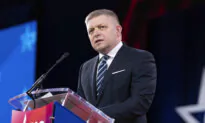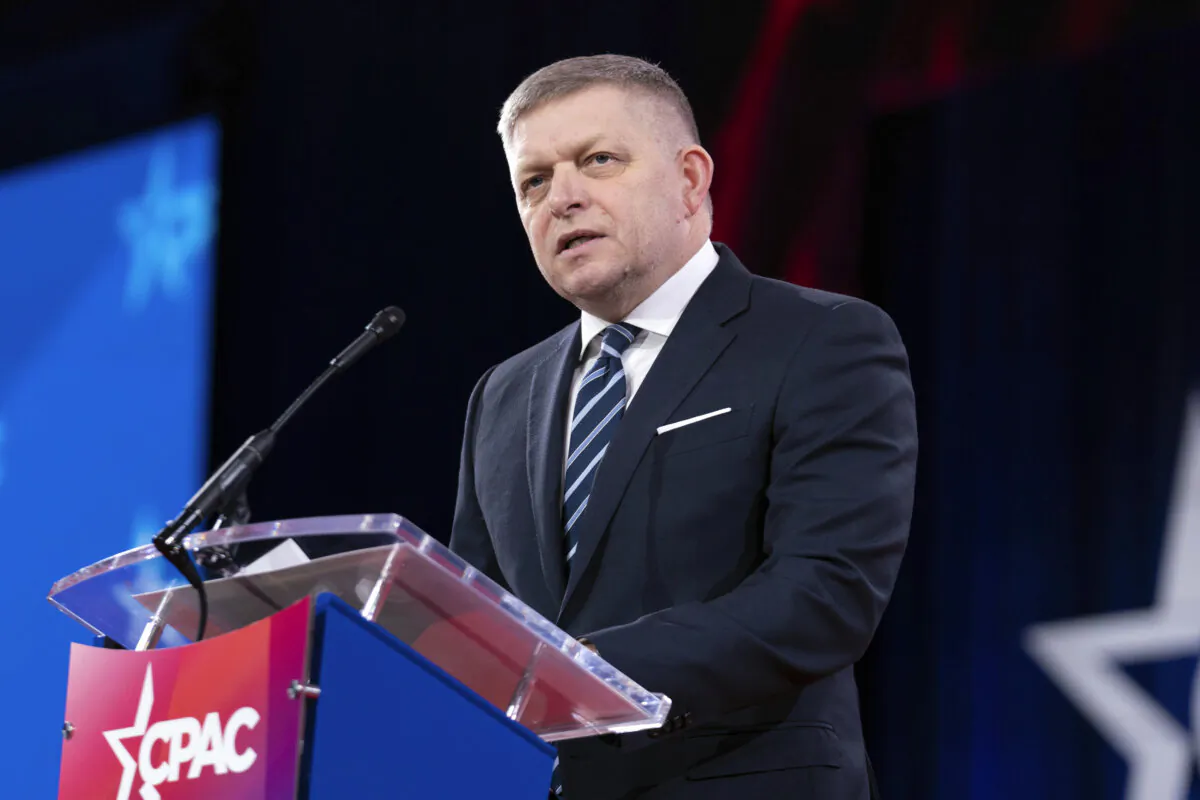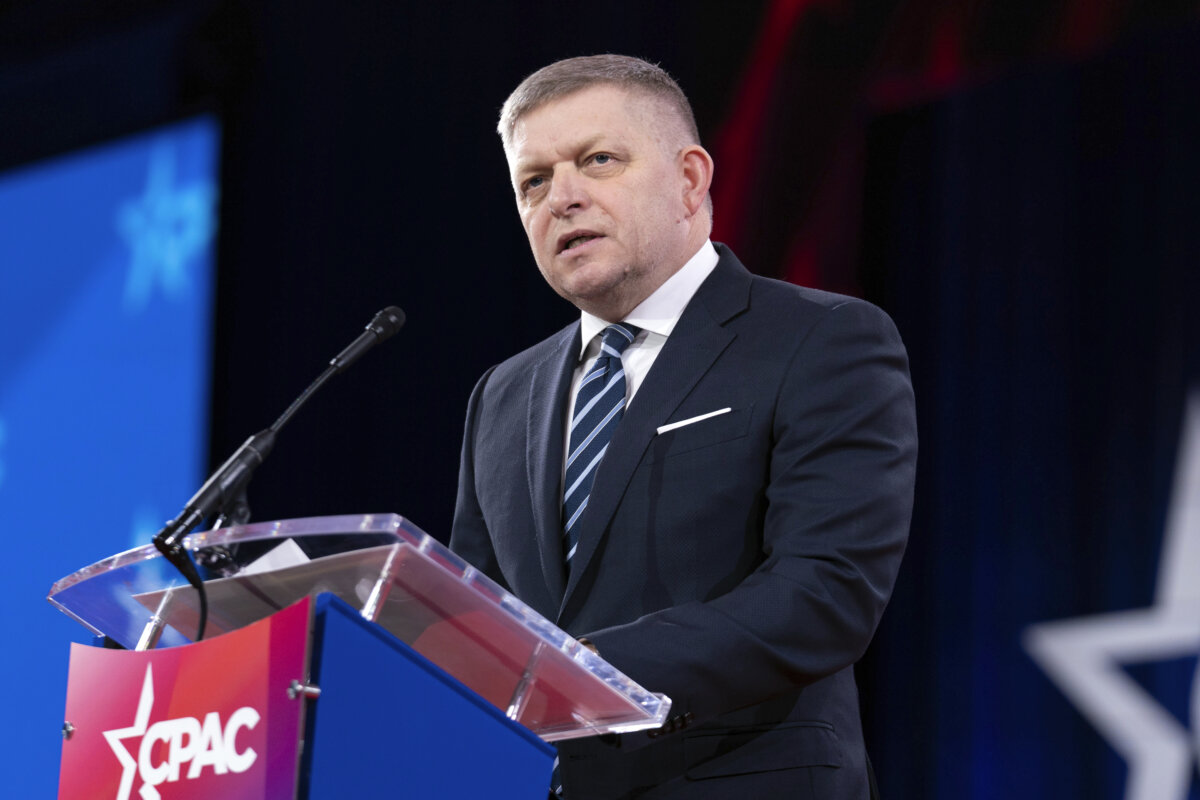
Slovak Prime Minister Robert Fico said on June 8 that he would block future European Union sanctions against Russia if they harm Slovakia’s national interests after Parliament passed a resolution urging his government not to support any new measures.
“If there is a sanction that would harm us, I will never vote for it,” he told a news conference.
Fico, leader of the Direction – Social Democracy party, known as Smer, has already halted Slovakian state military aid to Kyiv.
The party has been the senior member in the nation’s governing coalition since 2023. This is Fico’s third period in the post, having previously been prime minister between 2006 and 2010 and from 2012 to 2018
He has long been vocal in his opinion that the trade restrictions placed on Russia have hit Slovakia and the EU as a whole harder than the Kremlin.
The NATO member state’s leader specified that he could not approve any move that would stop or hinder Bratislava from importing fuel for its nuclear power plants from Russia.
“I am interested in being a constructive player in the European Union, but not at the expense of Slovakia,” he stated.
Bratislava has not blocked any of the previous 17 packages of EU sanctions, including the most recent round that was adopted in May.
Hungary, which also relies heavily on Russian energy, has joined Slovakia in opposing Brussels-led efforts to target Moscow’s gas and nuclear industries.
In May, Hungarian Prime Minister Viktor Orban said that any EU plans to ban Russian energy imports should be resisted “by all means.”
“We have to try to stop this Ukrainian push to completely ban Russian gas from Europe. We must prevent it by all means. Because there is no point in having a pipeline if we are not allowed to bring any gas through it,” Orban said during his weekly state radio interview on May 23.
He said that if the EU compensated Budapest for any costs incurred from an energy ban, his government would be open to negotiations.
Both Hungary and Slovakia import gas from Russia through the TurkStream pipeline, which runs under the Black Sea to Turkey and then on to Southeast Europe.
Fico drew criticism from other EU countries earlier in 2025 when he chose to attend Russia’s Victory Day parade on May 9.
During his visit, he was pictured shaking hands with Russian President Vladimir Putin, who told him during a bilateral meeting in the Kremlin that Russia had “always maintained relations with Slovakia as a friendly state.”
At that meeting, Fico told Putin he would veto any attempts by Brussels to prevent Slovakia from buying Russian gas, saying that a halt to those supplies would cause instability.
Fico was the only leader of an EU country to choose to go to the Victory Day parade, which was also attended by Chinese leader Xi Jinping and representatives from North Korea.
Slovakia spent decades under Soviet-aligned communist rule during the Cold War, when it was united with the Czech Republic as the single state of Czechoslovakia. The two nations peacefully split in 1992 following the collapse of the Soviet Union.
The EU’s 18th package of sanctions against Russia is currently being drafted and is expected to be implemented later in June.
European Commission President Ursula von der Leyen has said the new measures will specifically target Russia’s energy and banking sectors.
The adoption of new sanctions, as well as the extension of existing ones, requires unanimous approval from the Council of the European Union.
 Friends Read Free
Copy
Facebook
Tweet
Friends Read Free
Copy
Facebook
Tweet