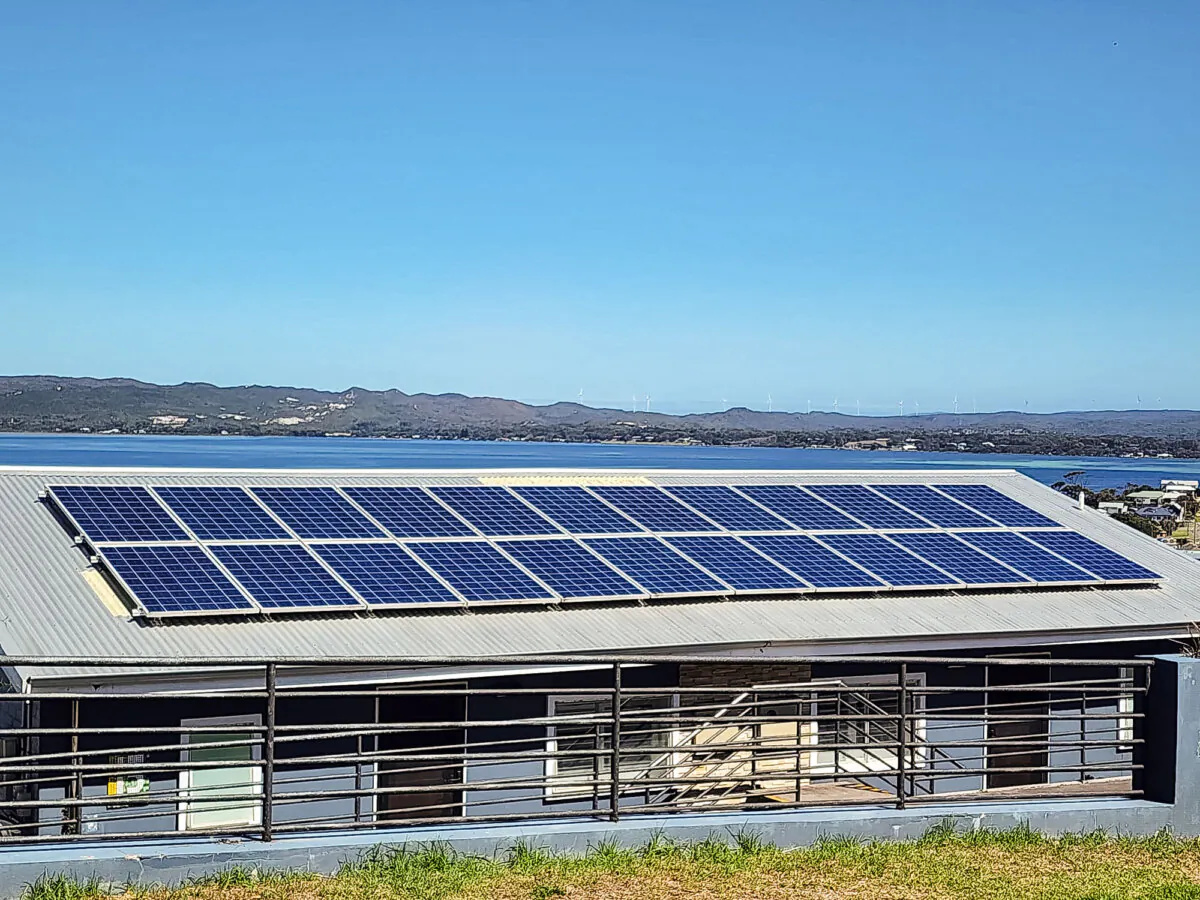

Australia’s energy market operator has raised concerns that some large new solar farms may be forced to scale back or shut down during peak generation hours due to a lack of transmission infrastructure.
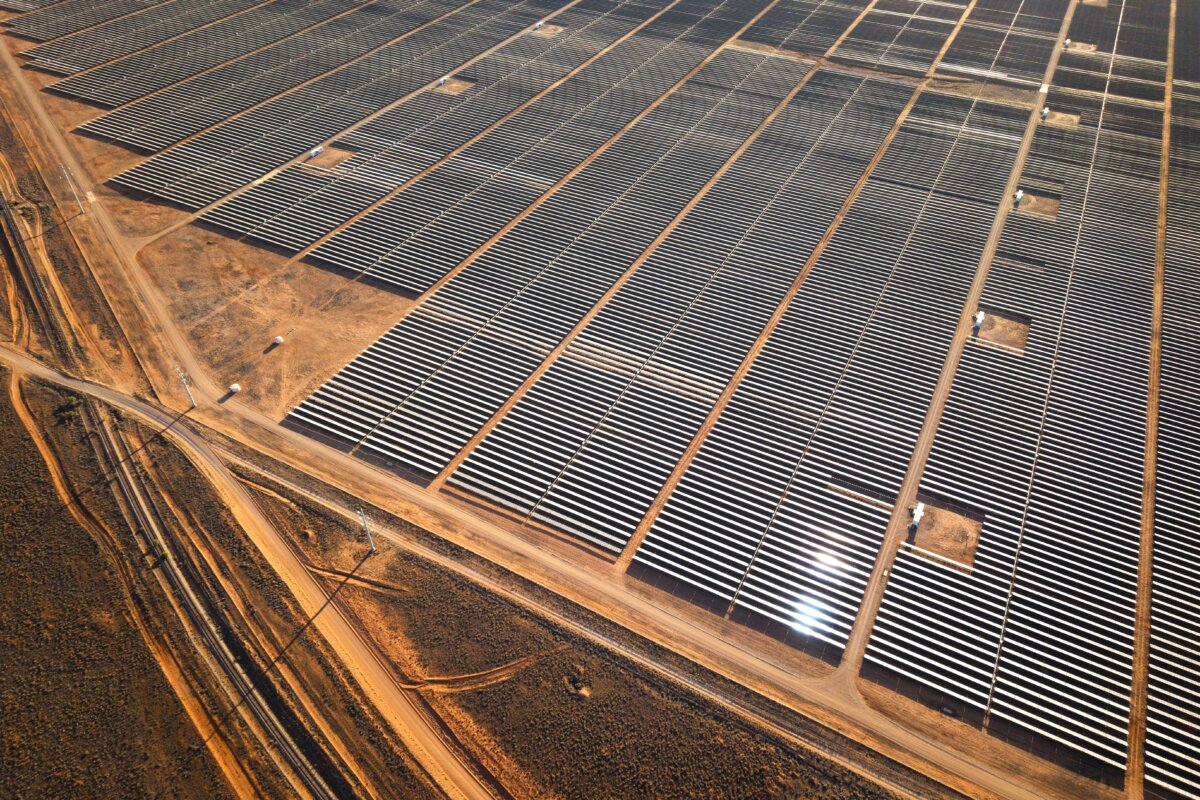
In a new report, the Australian Energy Market Operator (AEMO) found that some hypothetical 300-megawatt solar farms—especially in parts of Victoria and South Australia—could be forced to reduce output during peak generation hours because of grid congestion.
This is known as curtailment, and it happens when solar farms cannot feed all their power into the grid.
It usually occurs either because transmission lines are unable to carry the load, or when power prices drop so low that it is not worth generating electricity.
Solar Farms Already Feeling the Pinch
Right now, the average large-scale solar farm in the National Electricity Market is losing about 4.5 percent of its potential output to curtailment.
However, AEMO’s report shows that some farms are already being forced to cut more than a quarter of their production—especially those built in areas with weaker grid connections or in areas far from major population centres.
In a statement to The Epoch Times, AEMO said those high curtailment levels will not last forever.
As new power lines are built, solar farms will be able to feed more electricity into the grid. In the meantime, developers are working in a tough environment.
New Projects Face Bigger Hurdles
Without major upgrades, AEMO warns the situation will worsen. By 2027, no major solar farm in Victoria or South Australia is expected to have a curtailment rate below 35 percent. In some cases, curtailment could reach more than 65 percent—making these projects financially unviable.
“While some locations have not seen heavy congestion historically, they are nearing their current network limits,” AEMO warned. “Additional capacity may result in new areas of congestion.”
This mismatch between when solar farms are built and when the grid is ready to handle them has emerged as a key risk in Australia’s clean energy transition.
Under the federal government’s plan, AEMO is managing a $122 billion shift to 82 percent renewables by 2030.
However, that ambition depends heavily on the grid’s ability to move power from remote generation sites to demand centres.
Investors Losing Confidence
The Clean Energy Council, which represents major solar developers including Iberdrola, Neoen, Acciona, and Tilt Renewables, says these curtailment risks are already putting off new investors.
“As the coal fleet exits, we need new capacity in the right places and quickly,” CEC spokesperson Chris O’Keefe told The Epoch Times.
“Large-scale solar is fast and cost-effective to build, but it’s also the most exposed to curtailment, especially when system security limits or negative prices hit in the middle of a sunny day.
“In the longer term, the only durable solution is new transmission. These transmission projects are absolutely essential to unlocking new generation and maintaining momentum in the transition.”
 Friends Read Free
Copy
Facebook
Tweet
Friends Read Free
Copy
Facebook
Tweet