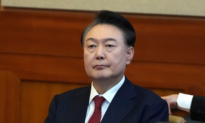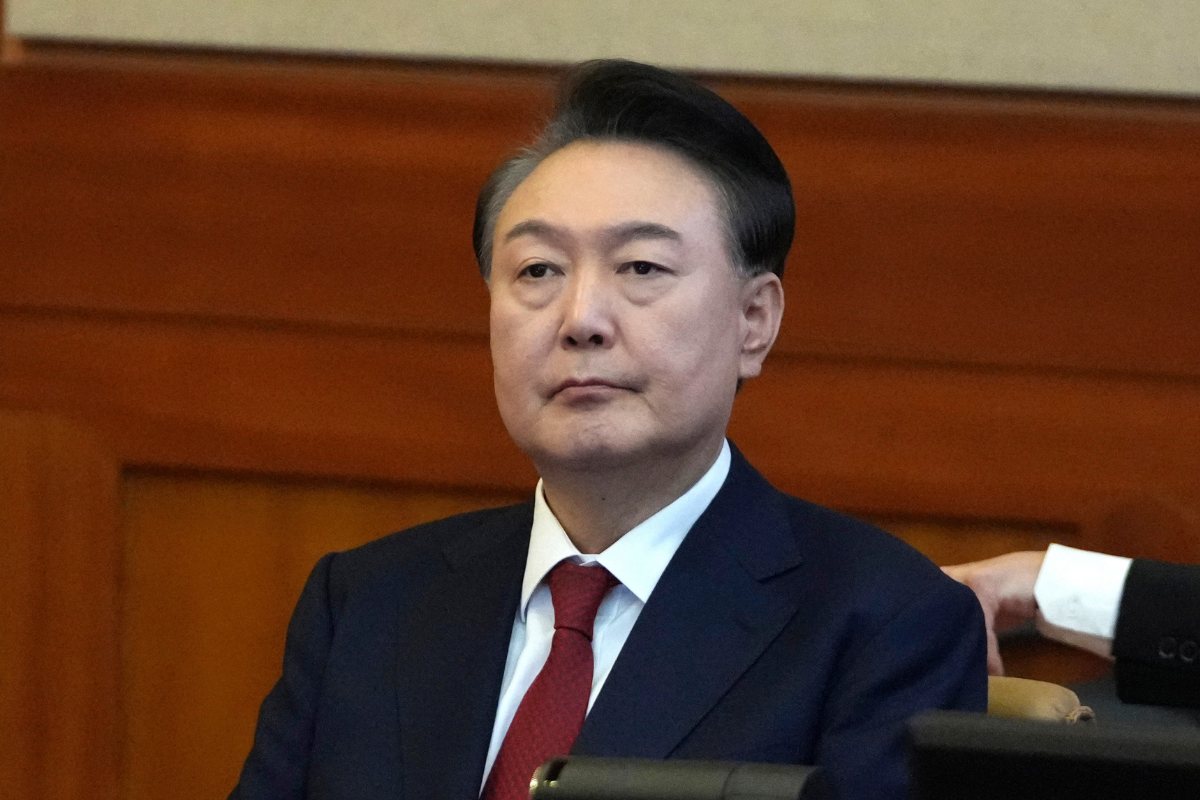

South Korea’s special prosecution team said on Jan. 22 it had filed an appeal after a South Korean court sentenced former President Yoon Suk Yeol to five years in prison on charges of obstruction and abuse of power related to his December 2024 declaration of martial law.
Seoul Central District Court on Jan. 16 handed Yoon the sentence after finding him guilty of obstruction by mobilizing the presidential security service to prevent authorities from detaining him. He was also found guilty of fabricating official documents and failing to follow the legal process required for declaring martial law.
He was found not guilty on charges of using false official documents and ordering the dissemination of false press statements. South Korea’s judicial system allows prosecutors to challenge sentences and rulings—giving them the same rights as defendants—if they believe the decisions are flawed.
Prosecutors had initially sought a 10-year prison term for the multiple charges.
“We filed an appeal to the verdict and sentencing,” the prosecution team, led by special counsel Cho Eun-seok, said in a Jan. 22 statement, according to Korea JoongAng Daily.
Yoon’s legal team also filed an appeal on Jan. 19, according to South Korea’s Yonhap News Agency.
His lawyers said that the court had committed procedural errors and that requests for evidence were dismissed without an assessment of their relevance or necessity.
“Given the public interest and historic importance [of the case], the process of demonstration guided by law and conscience should have been more elaborate and thorough,” his team said, according to Yonhap.
Yoon’s Insurrection Case
The Jan. 16 verdict was the first outcome of eight trials where the former president is facing charges, including for insurrection, related to his short-lived imposition of martial law.
Yoon, 65, had attempted to impose martial law on Dec. 3, 2024, but backed down after six hours amid public protest and after parliament voted to overturn the decree. At the time, Yoon said he was seeking to protect the constitution because the opposition, which controlled the parliament, was sympathetic to communists and North Korea.
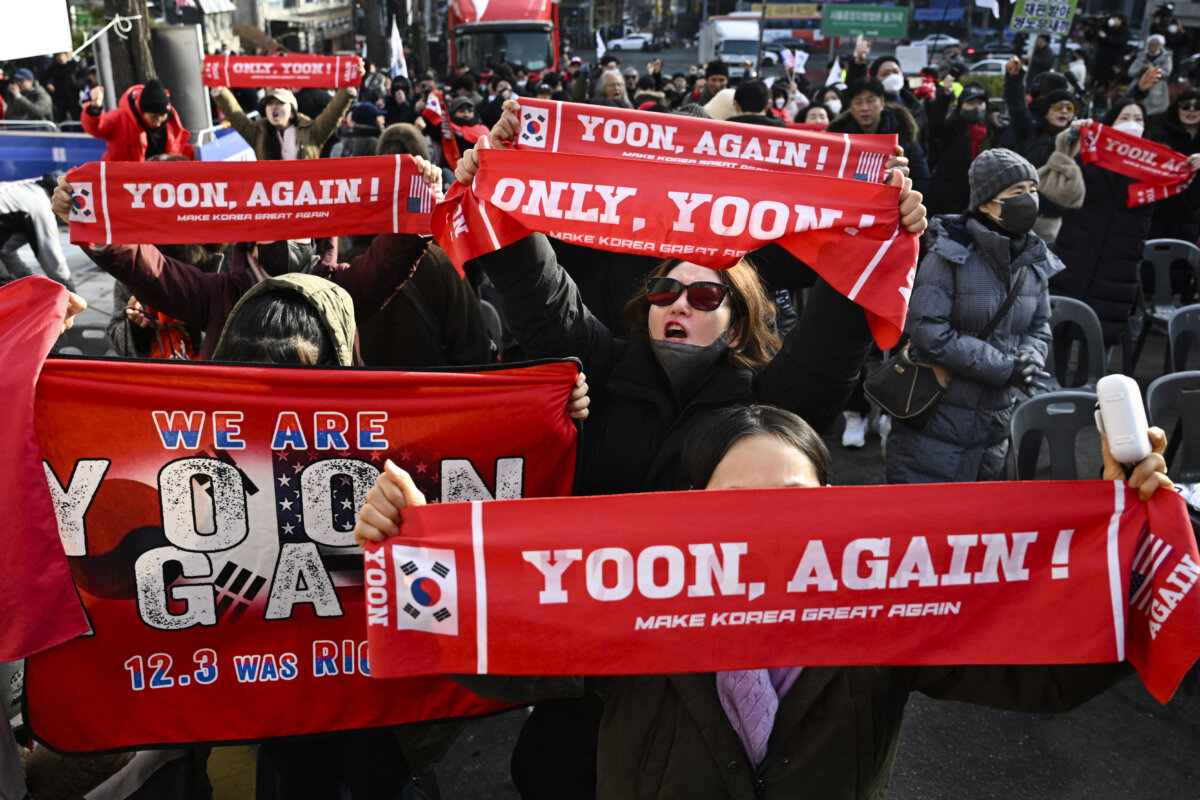
His insurrection case had its final hearing at Seoul Central District Court on Jan. 13, at which the prosecutors called for the death penalty in the case of a guilty verdict.
The most recent death sentence in South Korea was handed down in 2016. The country has not executed anyone since 1997, following President Kim Dae-jung’s introduction of a moratorium on capital punishment in 1998.
In his final 90-minute statement to the court, Yoon said it was within presidential powers to call for a state of emergency and that doing so cannot constitute an insurrection.
Yoon maintains his innocence in all cases.
Former Prime Minister Jailed
Other individuals have been indicted over the martial law decree. South Korea’s former prime minister, Han Duck-soo, was handed a 23-year prison sentence on Jan. 21 for his involvement.
Seoul Central District Court said Han was guilty of engaging in insurrection, falsifying the martial law proclamation and destroying it, and perjury.
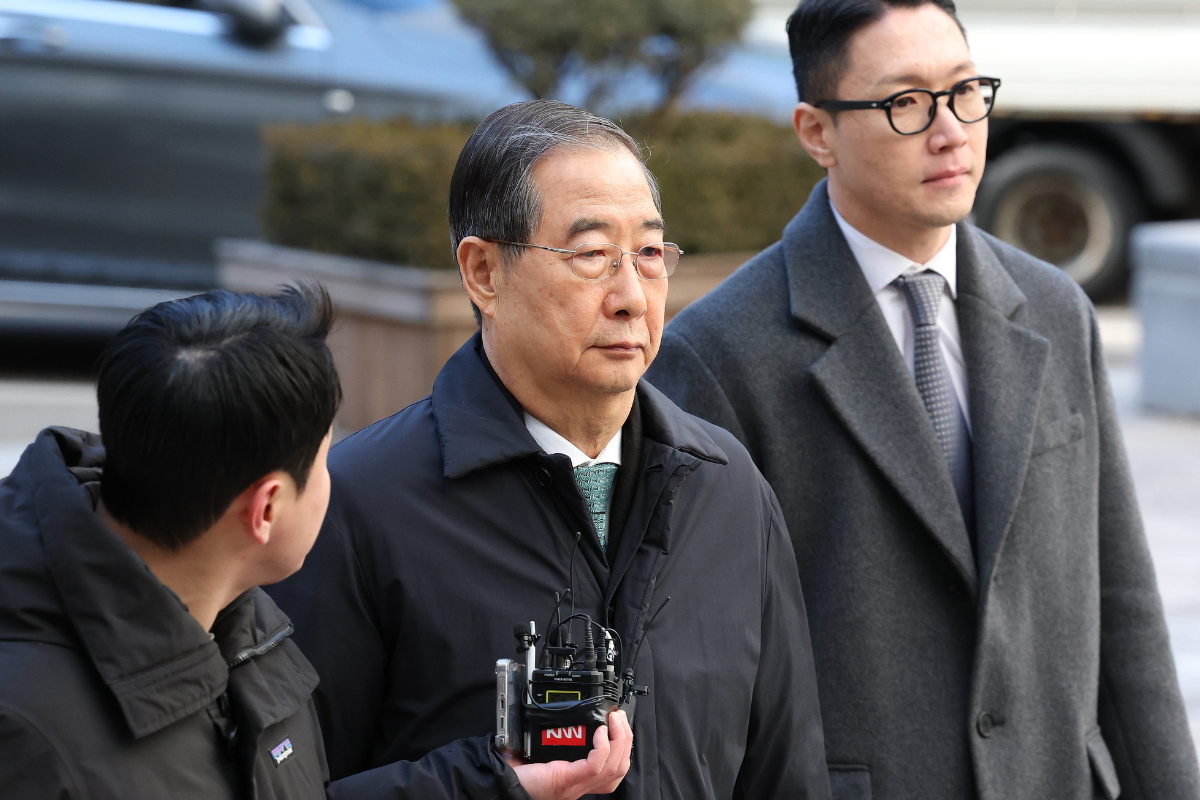
The judge said Han, 76, had been instrumental in trying to give procedural legitimacy to Yoon’s decree by getting it passed through a Cabinet Council meeting.
“The defendant was a prime minister who had been indirectly given democratic legitimacy and responsibility. … Nevertheless, the defendant chose to turn a blind eye … and participate as a member of the December 3 insurrection,” the judge said.
He had denied wrongdoing on all charges, except perjury. Han said in November 2025 that he regretted not being able to stop the martial law declaration, and that he had never agreed or tried to help Yoon.
Han was detained immediately after the verdict, and his lawyer said he will appeal the decision.
 Friends Read Free
Copy
Facebook
Tweet
Friends Read Free
Copy
Facebook
Tweet