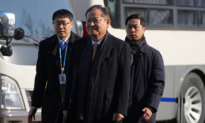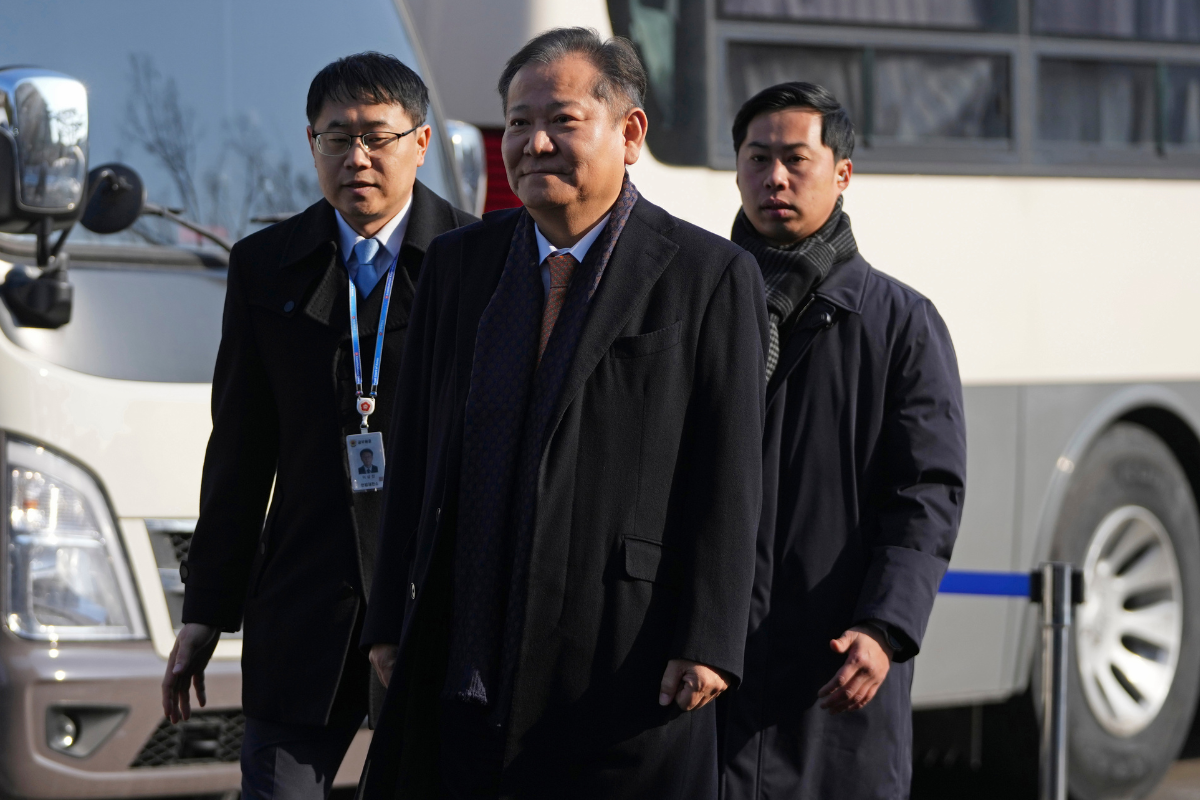

A South Korean court on Feb. 12 sentenced former Interior Minister Lee Sang-min to seven years in prison for his role in former President Yoon Suk Yeol’s brief declaration of martial law.
The Seoul Central District Court found Lee, 61, guilty of taking part in the December 2024 insurrection by relaying orders to the police and fire services to cut water and power to media outlets critical of Yoon’s policies.
These instructions were not carried out, as the martial law declaration was quickly lifted by lawmakers who had broken through the military and police blockade to enter parliament and vote against the measures.
“Using physical force against media outlets critical of the government weakens public opposition to the insurrection, making it easier for the plot to proceed,” Judge Ryu Kyung-jin said.
Lee also committed perjury by denying that he had taken these actions during Yoon’s impeachment proceedings, the judge said. Ryu acquitted Lee of lesser charges of abusing his power, citing a lack of evidence.
Prosecutors had sought seven years for Lee, who led the Ministry of Interior and Safety.
Lee maintained his innocence, denying his involvement in the martial law declarations. He also said he did not receive or issue instructions to cut utilities to media outlets, countering testimony from officials, including former National Fire Agency Commissioner-General Heo Seok-gon, who said Lee had issued the orders by phone.
Ryu said these denials counter testimony from officials, as well as evidence, including security camera footage, saying Lee played an important role in facilitating the martial law order.
The verdict comes one week before the same court rules on whether Yoon is guilty of rebellion.
Yoon’s First Conviction
Yoon, 65, had attempted to impose martial law on Dec. 3, 2024, but backed down after six hours amid public protest and after parliament voted to overturn the decree. Yoon said at the time that he was seeking to protect the constitution because the opposition, which controlled the parliament, was sympathetic to communists and North Korea.
In his final 90-minute statement to the court on Jan. 13, Yoon said it was within presidential powers to call for a state of emergency and that doing so cannot constitute an insurrection.
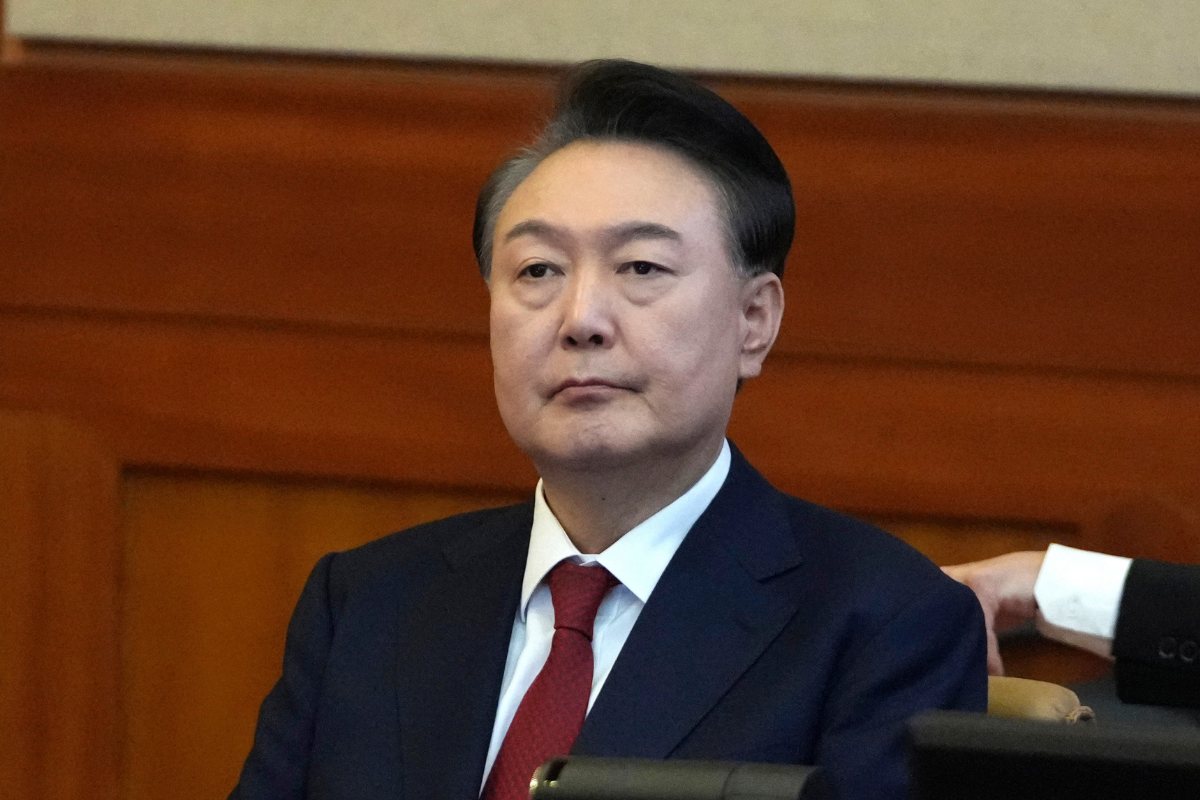
A conviction for insurrection can result in life imprisonment, but prosecutors have called for the death penalty in the case of a guilty verdict.
The most recent death sentence in South Korea was handed down in 2016. The country has not executed anyone since 1997, following President Kim Dae-jung’s introduction of a moratorium on capital punishment in 1998.
The former president has already been convicted of mobilizing the presidential security service to prevent authorities from detaining him, fabricating official documents, and failing to follow the legal process required for declaring martial law. The conviction resulted in a five-year prison sentence.
Former Prime Minister Jailed
Yoon faces eight trials in total for various criminal charges related to the martial law declaration, including for rebellion. He maintains his innocence in all cases.
On Jan. 21, former Prime Minister Han Duck-soo was sentenced to 23 years in prison for insurrection over his involvement in the martial law decree.
The Seoul Central District Court said Han was guilty of “engaging in [the] key action of insurrection,” falsifying the martial law proclamation and destroying it, and perjury.
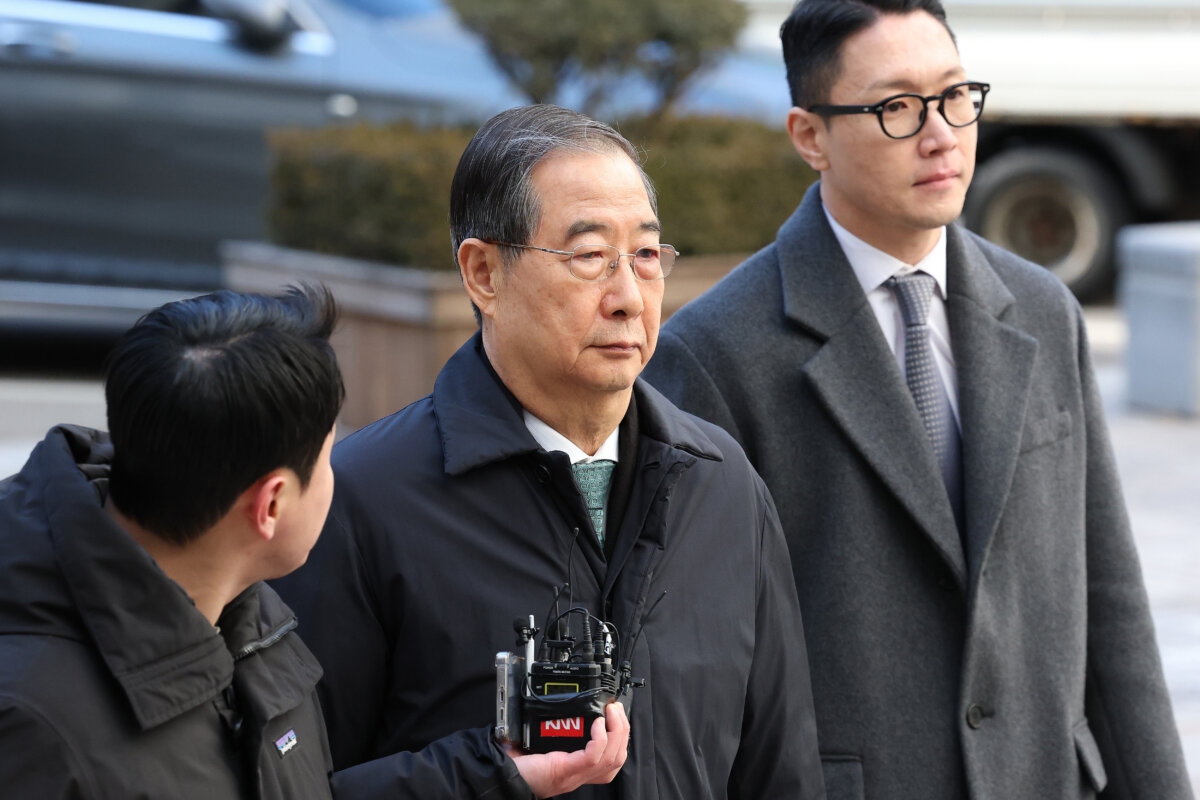
Han, 76, was the first former cabinet minister to be given a court ruling on criminal charges related to the martial law incident.
He had denied wrongdoing on all charges, except perjury.
The Associated Press and Reuters contributed to this report.
 Friends Read Free
Copy
Facebook
Tweet
Friends Read Free
Copy
Facebook
Tweet