
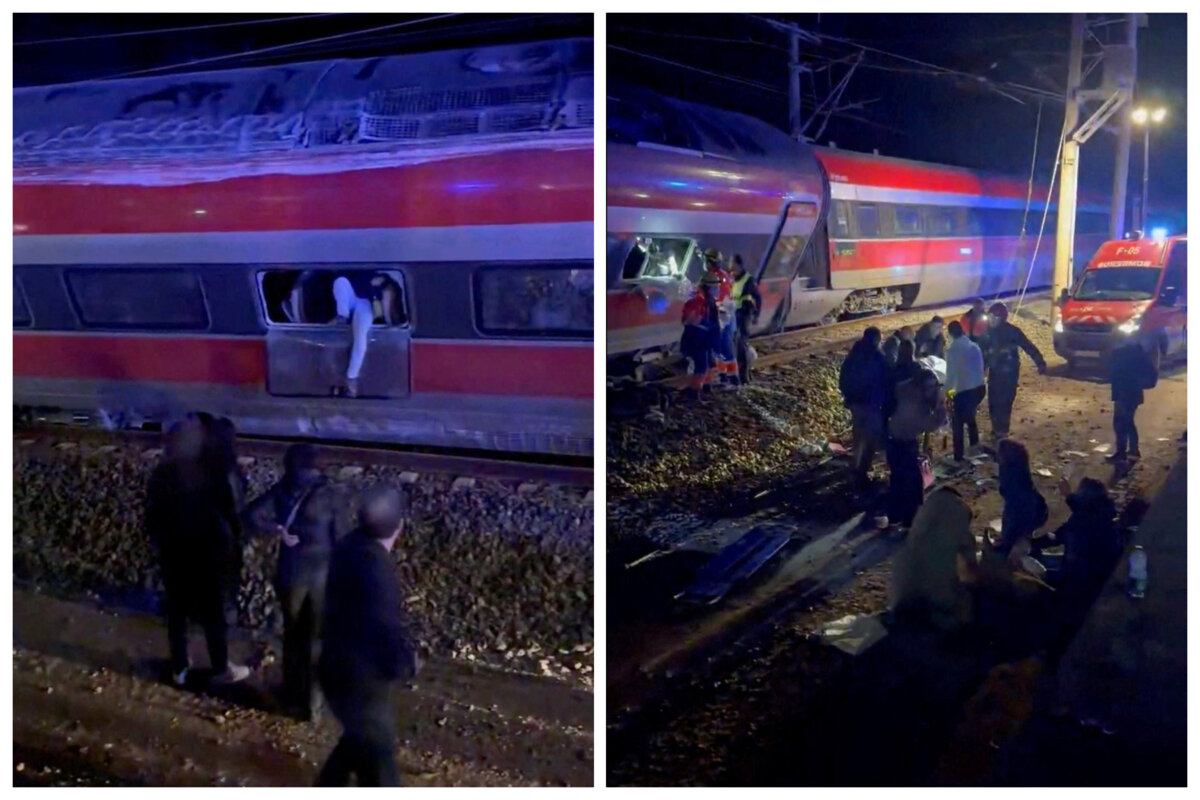
At least 40 people died after a high-speed train derailed and smashed into an oncoming train in southern Spain on Jan. 18, Spanish transport minister Óscar Puente said.
Puente, who was en route to the crash site, said in a Jan. 19 post on X that the death toll could rise as rescue teams continued their work.
The crash happened at about 7:45 p.m. local time near Adamuz in the province of Córdoba, about 223 miles south of the capital, Madrid, according to Adif, which runs the rail network.
“I want to express my deepest gratitude for the tremendous work of the rescue teams overnight, under extremely difficult circumstances, and my condolences to the victims and their families during this terrible time,” Puente said.
He said that rescue workers had operated overnight “under extremely difficult circumstances.”
The high-speed train traveling from Málaga to Madrid derailed near Córdoba and struck a second train traveling from Madrid to Huelva.
The derailed train belonged to Iryo, a private rail operator, and the second train, which absorbed the brunt of the impact, was operated by state-funded Renfe, Spain’s public rail company.
There were about 400 passengers on the two trains, according to Renfe.
On Jan. 18, Puente said preliminary information showed that the last cars of the Iryo train heading toward Madrid had left the tracks and crossed onto the opposite line.
He said that the first two cars of the Renfe train were thrown off the rails.
Emergency Response
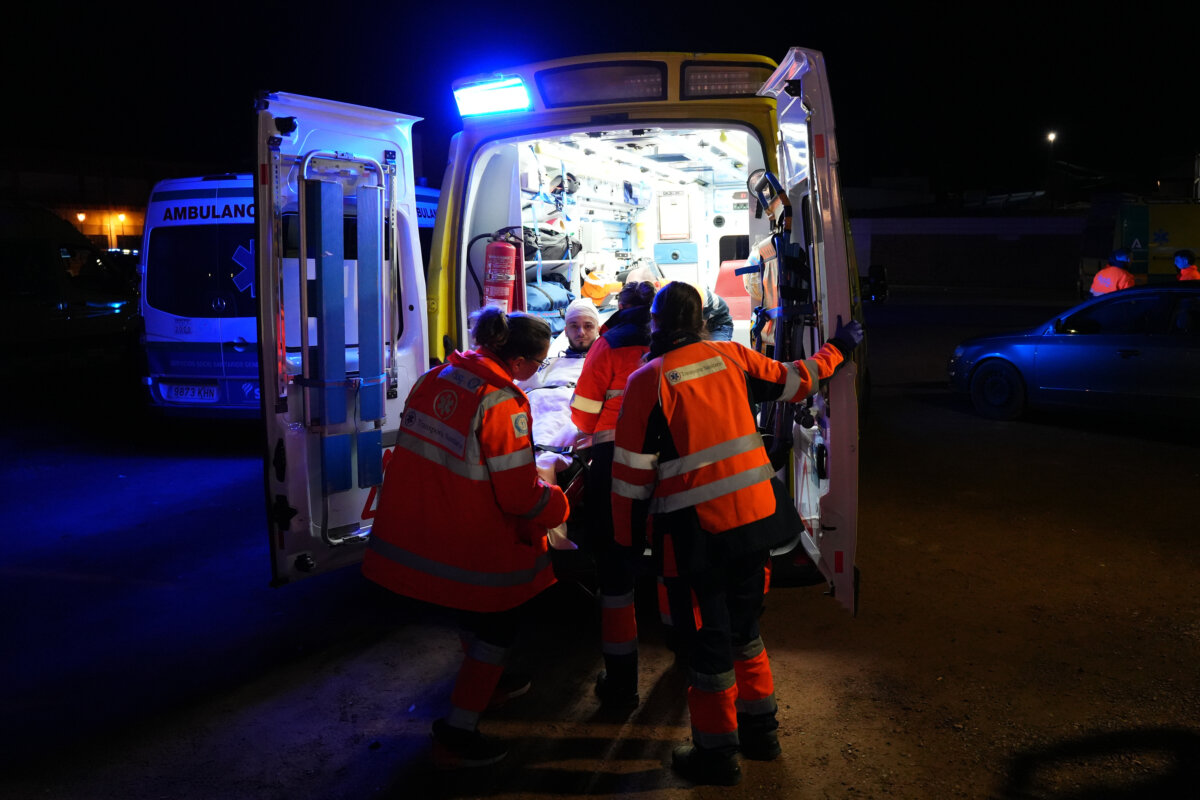
Emergency services from across Andalusia have been deployed at the crash site. The Andalusian Emergency Agency said on Jan. 19 that a total of 122 patients had been treated.
Of those, 48 people remained hospitalized, including five minors. Eleven adults and one minor were in intensive care, and 74 injured passengers had been discharged.
The Spanish Red Cross said on Jan. 18 that it had mobilized 10 ambulances from Córdoba, Jaén, and Granada. It set up a shelter in Adamuz for those affected and deployed psychosocial support teams to train stations in Huelva, Málaga, Seville, and Córdoba.
A care center was also established in Córdoba with blankets, water, and beds.
Rail Network Operation
Adif said high-speed rail traffic between Madrid and several major southern cities would be suspended throughout Jan. 19. The affected routes include Córdoba, Seville, Málaga, Huelva, Cádiz, Algeciras, and Granada.
At 8 p.m. on Jan. 18, Adif activated its crisis committee to coordinate with authorities, emergency services, and rail operators.
Adif and Renfe set up assistance areas for victims’ families at stations in Madrid’s Puerta de Atocha, Seville, Córdoba, Málaga, and Huelva. Private operator Iryo established similar facilities at Atocha, Seville, and Córdoba.
Adif also said it had deployed specialized psychological support teams for families. Several major stations, including Madrid Puerta de Atocha, Córdoba, and Sevilla Santa Justa, remained open overnight for passengers who were unable to travel.
Iryo said in a statement that it “deeply regrets what happened” and had activated all emergency protocols, working closely with authorities. The company said it had set up a helpline for families and those affected.
Renfe said on Jan. 18 that it had activated its own safety and passenger assistance protocols and was cooperating with authorities, emergency responders, Adif, and the transport ministry. The company said its staff stood with the families of affected passengers “during these difficult moments.”
Government, Regional Leaders React
Andalusia’s regional president, Juanma Moreno, said on Jan. 19 that the night had been extremely difficult.
“All efforts are focused on attending to the injured in the Adamuz train accident and identifying the deceased as quickly as possible,” he wrote on X.
He said that saving lives and informing families remained the top priority.
Spanish Prime Minister Pedro Sánchez said on Jan. 18 that the country was in mourning.
“Tonight is a night of profound sorrow for our country following the tragic train accident in Adamuz,” he wrote on X, expressing condolences and saying emergency services were working in close coordination.
French President Emmanuel Macron and German Chancellor Friedrich Merz voiced support for Spain after the crash.
Macron said in a Jan. 18 post on X that France stood in solidarity with Spain.
Merz said on Jan. 19 that he was deeply shaken by the accident.
“Germany stands with Spain at this time,” he said.
European Commission President Ursula von der Leyen also offered condolences on Jan. 18, saying she had received “the terrible news from Córdoba” and wished a speedy and full recovery to the injured.
Reuters contributed to this report.
 Friends Read Free
Copy
Facebook
Tweet
Friends Read Free
Copy
Facebook
Tweet