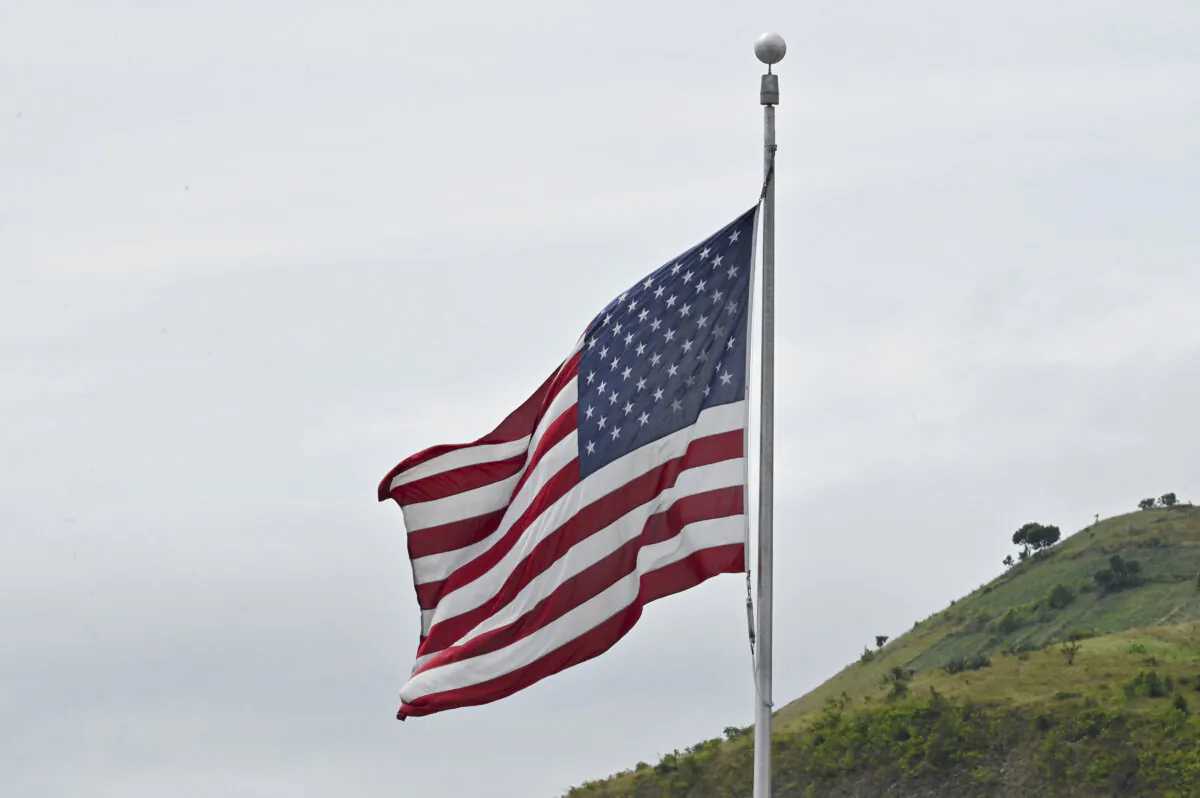

The U.S. government has stopped processing most visas in Zimbabwe until further notice, the U.S. Embassy in Harare said on Aug. 20.
“We have paused routine visa services in Harare while we address concerns with the Government of Zimbabwe,” the U.S. Embassy wrote in a post on X.
It said the move was not a travel ban and that current visas from Zimbabwe are valid.
“We will provide updates on resuming visa services as soon as there is a change,” the embassy stated.
The statement did not elaborate on what concerns the federal government or the U.S. Department of State may have. The pause took effect on Aug. 7, according to a notice on the State Department’s website, which said it applied to all visa services except most diplomatic and official visas.
Zimbabwe had a visa overstay rate of 10.57 percent in 2023, according to a U.S. Department of Homeland Security report.
The Trump administration has restricted travel from some African countries, saying it is working to prevent visa overstays and misuse.
Starting this week, the United States will require visa applicants from Zambia and Malawi to pay bonds of up to $15,000 for some visitor visas. The Trump administration has also paused visa processing in Niger.
The Epoch Times contacted the U.S. Department of State for additional comment but did not receive a response by publication time.
In early June, the State Department said in a notice on its website that it is “fully or partially suspending entry for and visa issuance to nationals of 19 countries,” which is being done to protect “our nation and its citizens by using rigorous, security-focused screening and vetting procedures to ensure that individuals approved for entry do not endanger national security or public safety.”
Visa issuances were suspended for nationals from Afghanistan, Burma, Chad, the Republic of the Congo, Equatorial Guinea, Eritrea, Haiti, Iran, Libya, Somalia, Sudan, and Yemen in the nonimmigrant and immigrant visa categories.
Certain diplomatic and official visas would still be issued, the State Department said, adding that certain immediate relative visas would also be issued. Visas for immigrants and religious minorities facing persecution in Iran, U.S. citizen adoptions, dual nationals applying for passport nationality, special immigrant visas for federal government employees, participants in major sporting events, and lawful permanent residents are exempt from the visa order.
The State Department also partially suspended visa issuances for most nationals from Burundi, Cuba, Laos, Sierra Leone, Togo, Turkmenistan, and Venezuela, the notice stated. Similar exceptions were carved out.
The U.S. Embassy in India said in an Aug. 4 post on X that Indian nationals living in the United States could face “severe consequences” should they overstay their visas, and advised those people to “respect the terms” and their “authorized period of stay in the United States.”
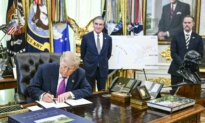
Since January, President Donald Trump has issued a number of executive orders in a bid to prevent what he termed as “an unprecedented flood of illegal immigration into the United States.”
Trump has signed orders to limit birthright citizenship, declare a national emergency at the U.S.–Mexico border, designate gangs and cartels as terrorist organizations, and target so-called sanctuary jurisdictions. Some of the orders, especially the directive to revoke birthright citizenship for children of people in the country illegally, have faced significant legal hurdles.
Reuters contributed to this report.
 Friends Read Free
Copy
Facebook
Tweet
Friends Read Free
Copy
Facebook
Tweet