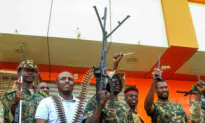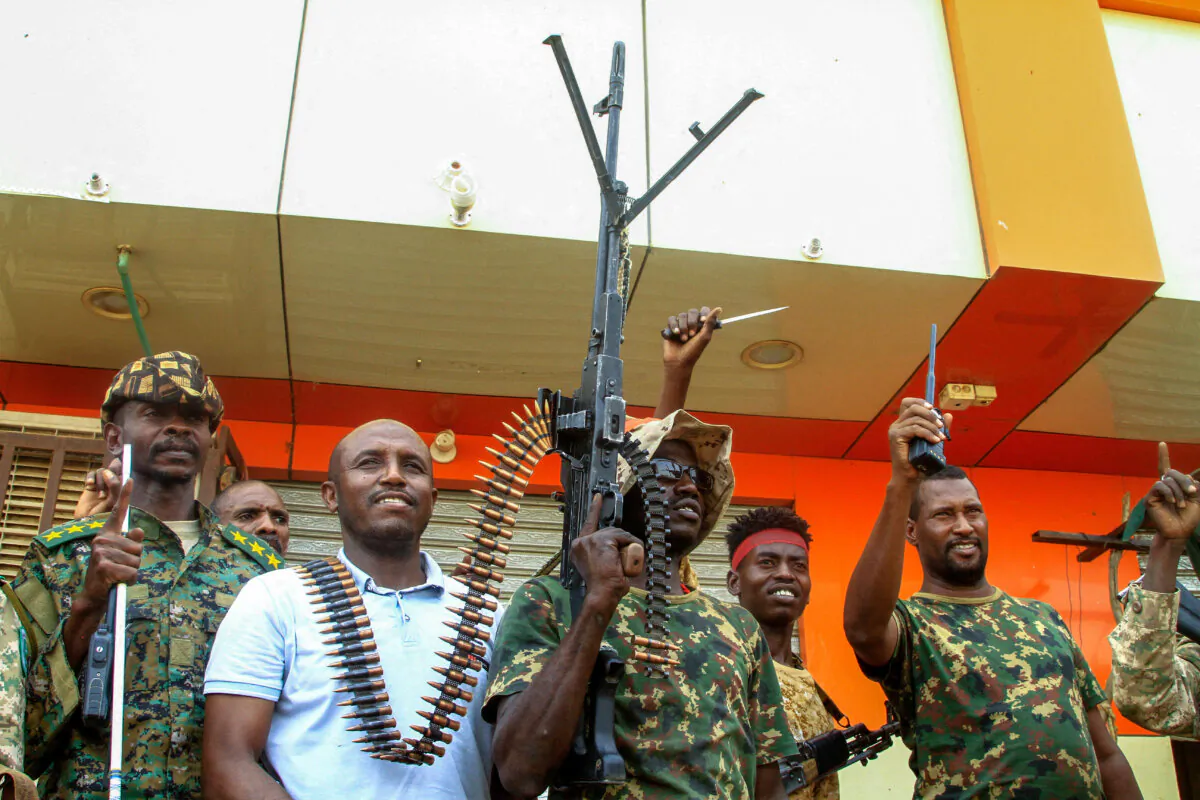

A top Sudanese military leader has dismissed a new cease-fire proposal backed by the United States and several Middle Eastern partners, alleging that the plan to halt the country’s civil war was biased.
Gen. Abdel-Fattah Burhan, who commands the Sudanese Armed Forces (SAF), added that it failed to incorporate Khartoum’s earlier concerns, as the conflict enters its third year.
Burhan said in a video statement released on Nov. 23 that the blueprint put forward by U.S.-led mediators was “the worst proposal presented to us.”
“It called for the complete dissolution of the military and security establishment while maintaining the militias,” he said. “If these were the proposals of the American mediator, then we believe that this mediation is non-neutral.”
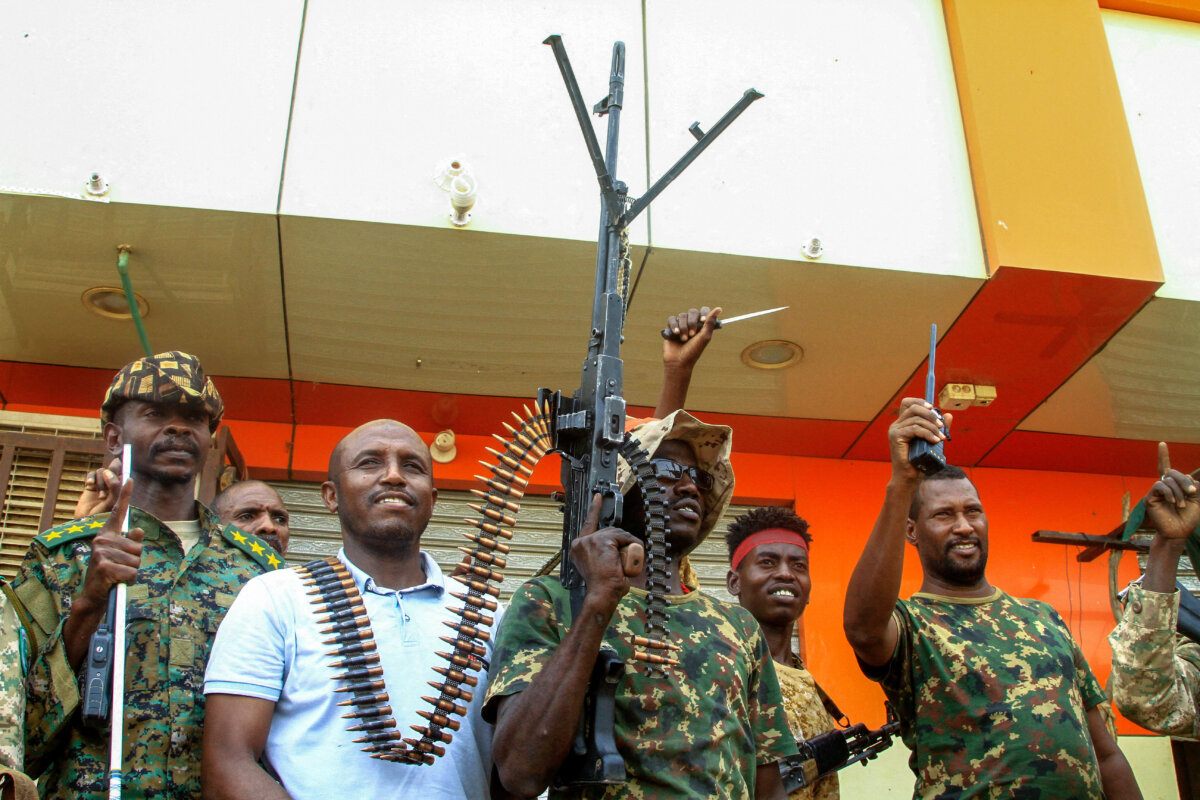
The remarks further complicate Washington’s efforts to halt a war that has killed tens of thousands and displaced millions since it erupted in April 2023 between the SAF and the paramilitary Rapid Support Forces (RSF).
The United States has been working with its Quad partners—an informal diplomatic group including Egypt, Saudi Arabia, and the United Arab Emirates—to lead a negotiated peace process in Sudan, as conditions in the African nation worsen.
A 2024 study by the London School of Hygiene and Tropical Medicine’s Sudan Research Group estimated more than 61,000 deaths in Khartoum state alone, while the United Nations reports more than 12 million people displaced nationwide.
In September, the Quad proposed a three-month humanitarian truce followed by a permanent cease-fire and a nine-month transition to civilian rule.
Khartoum rejected the plan at the time, accusing mediators of ignoring sovereignty concerns.
Mediators Renew Push
On Nov. 12, U.S. senior adviser for Arab and African Affairs Massad Boulos urged both sides to adopt the new humanitarian truce, warning that the suffering of civilians had reached “catastrophic levels.”
“The suffering of civilians has reached catastrophic levels, with millions lacking food, water, and medical care,” he said in a post on X. “A strong text for a truce has been put forward.”
Boulos has spearheaded U.S. outreach across the region, holding talks earlier in November with Egyptian Foreign Minister Badr Abdelatty and Arab League officials in Cairo to press for humanitarian access and renewed negotiations.
Those meetings followed an Oct. 28 attack in the Darfur city of el-Fasher, in which the World Health Organization said RSF fighters allegedly killed more than 460 people at the Saudi Maternity Hospital. The RSF denied the accusation.
Outside Actors
Washington has warned that external military support is prolonging the conflict.
On Nov. 19, Boulos said he and U.S. Secretary of State Marco Rubio were working to block outside weapons flows and to secure a humanitarian truce.
“Under President Trump’s leadership, we are working with our partners to facilitate a humanitarian truce and bring an end to external military support to the parties,” he said on X.
The RSF announced a unilateral cease-fire on Nov. 6, but Rubio said six days later that the group had shown “no intention” of upholding it.
He accused unnamed governments of financing the RSF and enabling weapons transfers.
In September, Sudan’s government accused the UAE of supplying arms to the RSF.
Abu Dhabi rejected the charge as “utterly false” and “baseless.”
Burhan said Sudan would not accept the UAE’s participation in the Quad, arguing that Abu Dhabi could not serve as an impartial broker.
“The whole world knows that they are involved in supporting the rebels, so how can we accept them as mediators?” he asked in his Nov. 23 video message.
He said any negotiations must align with the Sudanese army’s roadmap and insisted that political arrangements preserving the RSF were unacceptable.
“I want everyone to know that any negotiations that do not lead to the elimination of this militia are invalid,” Burhan said.
 Friends Read Free
Copy
Facebook
Tweet
Friends Read Free
Copy
Facebook
Tweet