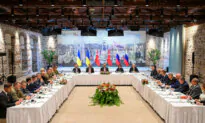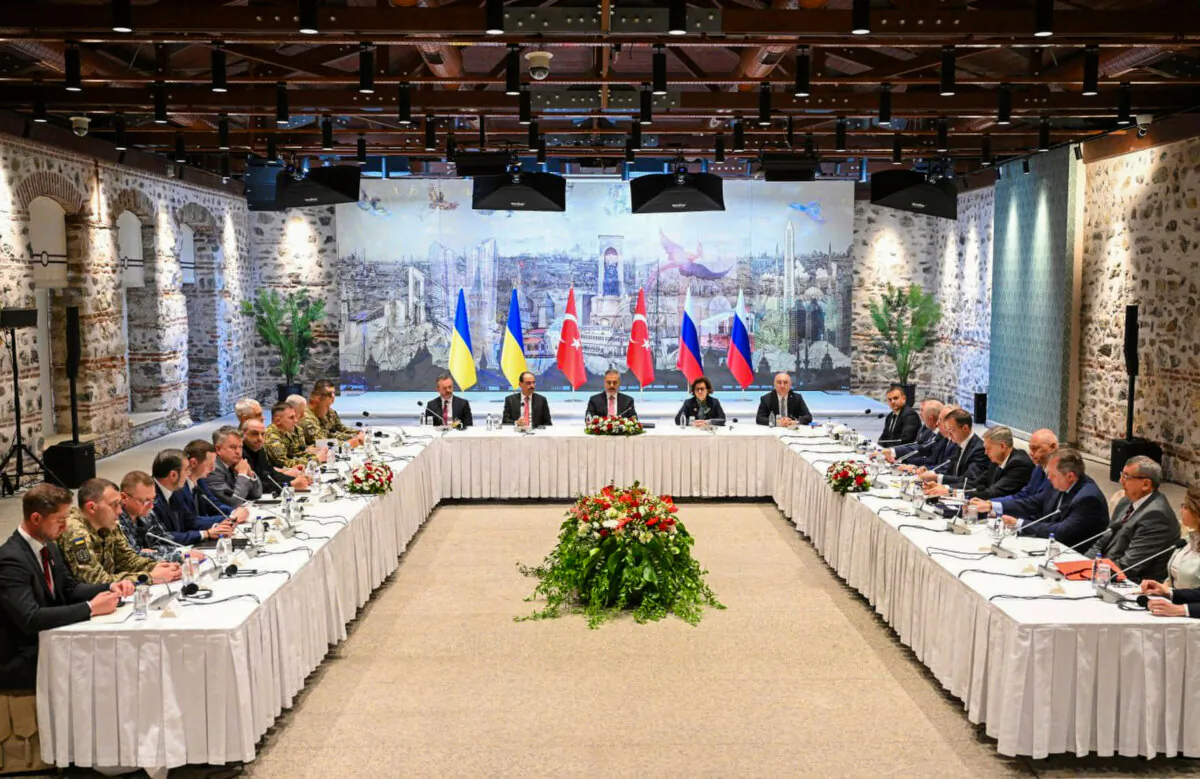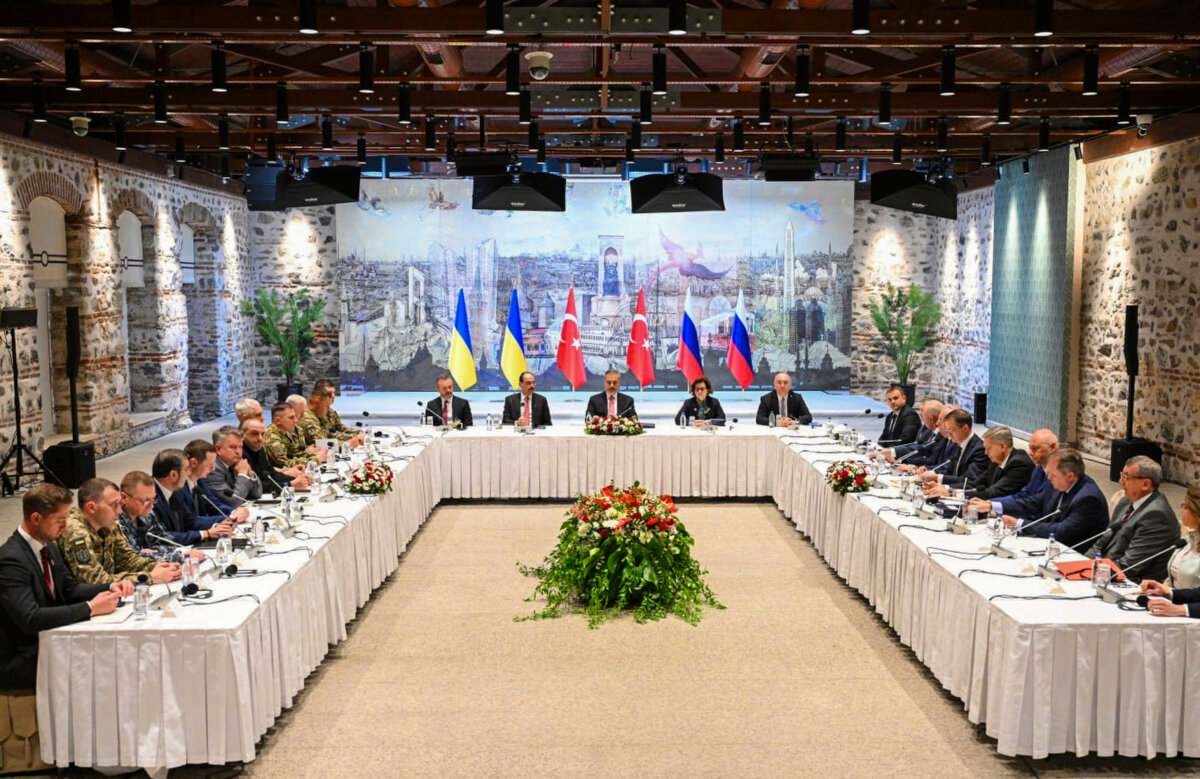
A third round of peace talks between Ukraine and Russia will take place in Turkey on July 23, Ukrainian President Volodymyr Zelenskyy announced.
“Today I discussed with [National Security Secretary] Rustem Umerov the preparation of an exchange [of prisoners] and another meeting in Turkey with the Russian side,” Zelenskyy said in his evening address on July 21 via his official Telegram channel.
“Umerov reported that the meeting is scheduled for Wednesday. More details will be available tomorrow.”
Two rounds of negotiations have been held this year in the Turkish city of Istanbul, resulting in agreements on the exchange of prisoners and the remains of soldiers killed in the war. But they have produced no tangible progress toward ending the war, now in its fourth year.
Earlier in the day, Zelenskyy said his team will focus on three key issues in the upcoming meeting: the return of prisoners of war, the return of abducted Ukrainian children, and preparations for a face-to-face meeting with Russian President Vladimir Putin.
“The agenda from our side is clear,” he wrote on X. “It is clear to all that truly effective talks can only take place at the level of national leaders.”
Dmitry Peskov, a spokesperson for Putin, said on July 21 that the Kremlin supports holding the next round of talks, though he did not confirm the date.
While Zelenskyy repeatedly called for a leadership level meeting, Putin has so far shown no interest in sitting personally with his Ukrainian counterpart. According to Peskov, there would be “no changes” to the Russian delegation, meaning Putin’s aide Vladimir Medinsky will continue to lead the talks on behalf of Russia.
At the last round of talks in June, Russia presented a list of hard-line demands as conditions for ending the war, including the surrender of four southeastern provinces where Russian forces maintain partial control. Such concessions—not including Crimea, which Russia annexed in 2014—would amount to the loss of about 15 percent of what Kyiv sees as its sovereign territory.
In addition, Moscow insists that Ukraine renounce its plans to join NATO, dismantle and destroy all Western-supplied weapons, and reject all forms of Western military assistance. Putin also reiterated his vague objective of “denazifying” Ukraine, a justification he used to escalate the long-running conflict between the two countries into a full-scale war in February 2022.
Kyiv has dismissed these demands as unacceptable. Zelenskyy has also ruled out recognizing Russia’s annexation of Crimea, a stance that further complicates the peace process.
Despite the great distance between the two sides’ demands, the peace talks gained new momentum after President Donald Trump warned on July 14 that he would impose 100 percent tariffs on countries that continue doing business with Russia if a peace agreement is not reached within 50 days.
Trump’s threat, if materialized, could inflict severe economic pain on Russia by pressuring key trade partners to stop their dealings in critical sectors such as energy, agriculture, and arms. This would especially affect China and India, where refiners have been taking advantage of heavy Western sanctions to buy millions of barrels of Russian oil per day at discounted prices.
Still, Moscow said that its war goals remain unchanged. It also drew a line between its engagements with Washington and its negotiations with Kyiv, saying the two are separate matters.
“Russia is ready to move swiftly. The most important thing for us is to achieve our goals. Our goals are clear, obvious, they have not changed. But the process does not depend on us alone,” Peskov said in an interview with Pavel Zarubin of state-owned broadcaster VGTRK, per state-owned news agency TASS.
 Friends Read Free
Copy
Facebook
Tweet
Friends Read Free
Copy
Facebook
Tweet