
A B.C. man is warning parents to be aware of ticks after his 6-year-old son suffered partial paralysis from a tick bite late last week.
Jamie Stevens, from Merritt, B.C., said his son Milo suddenly became unable to walk on March 12. Watching his son fall repeatedly when trying to stand elicited feelings of “sheer panic,” he told Global News this week, noting that Milo’s legs were too shaky to bear his weight. Stevens rushed his son to the hospital with lower-limb paralysis.
The pair had gone for a hike four days before on a grassy bluff near their home in B.C.’s south-central interior. Stevens did not initially link the paralysis to the hike and doctors couldn’t identify the cause, so they sent the boy home.
After arriving at home, Stevens discovered an engorged tick attached to the boy’s scalp. He took Milo back to the doctor to have the tick removed.
The change in Milo’s condition was dramatic. He was able to walk “pretty much normally” within a few hours, Stevens said.
Milo’s condition has since been attributed to a rare form of tick paralysis.
Interior Health, the regional health authority, says most ticks in the region are wood ticks, which do not carry the Lyme disease bacteria. The ticks can carry other diseases, however, including Rocky Mountain spotted fever, a potentially fatal bacterial infection.
HealthLink BC’s website says the symptoms of tick paralysis are caused by the venom secreted from a female tick while feeding. Symptoms usually start within four to seven days of the tick attaching itself to a person, and most cases occur in children.
Symptoms include tingling, numbness, or loss of feeling or movement that starts in the hands or feet, as well as trouble swallowing or talking, double vision, and loss of movement in the face.
“When these symptoms develop, contact your doctor immediately to arrange for care,” the HealthLink BC website says. “Removing the tick may be all that is needed to stop the release of the venom and control the symptoms.”
What Other Diseases Can Ticks Carry?
There are many types of tick-borne diseases, but Lyme disease is the most common in Canada, according to the Public Health Agency of Canada.
As the tick population continues to grow across the country, so too does the incidence of Lyme disease, government statistics show. There were just 144 cases in 2009 compared to more than 5,000 cases reported in 2024. Numbers have yet to be released for 2025.
Lyme disease can come with an expanding rash, swollen lymph nodes, muscle pain, numbness or tingling, and even more serious consequences such as arthritis, facial paralysis, abnormal heartbeat, memory loss, and swelling of the brain and spinal cord.
“Early diagnosis and treatment of Lyme disease can prevent complications,” the site says. “Consult your health care provider right away if you’ve been bitten by a tick and develop symptoms of Lyme disease.”
Ticks require blood from humans or animals for their survival. These tiny parasites latch onto humans or animals by embedding their heads into the skin, allowing them to consume the blood of their hosts until they are fully engorged.
Infection can occur during this feeding period, the government website says. If the tick is removed soon enough, however, the chance of illness is drastically reduced.
“Removing attached ticks as soon as possible reduces the chance of infection,” the agency says. “Infected blacklegged ticks need to be attached for at least 24 hours in order to transmit the bacteria that causes Lyme disease.”
Other possible diseases include anaplasmosis, babesiosis, ehrlichiosis, and Powassan virus.
Fever, chills, headache, muscle aches and pains, and nausea or vomiting are among the most common symptoms of the tick-borne diseases, the health agency says.
How to Deal With Ticks
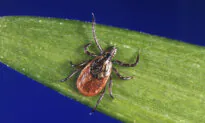
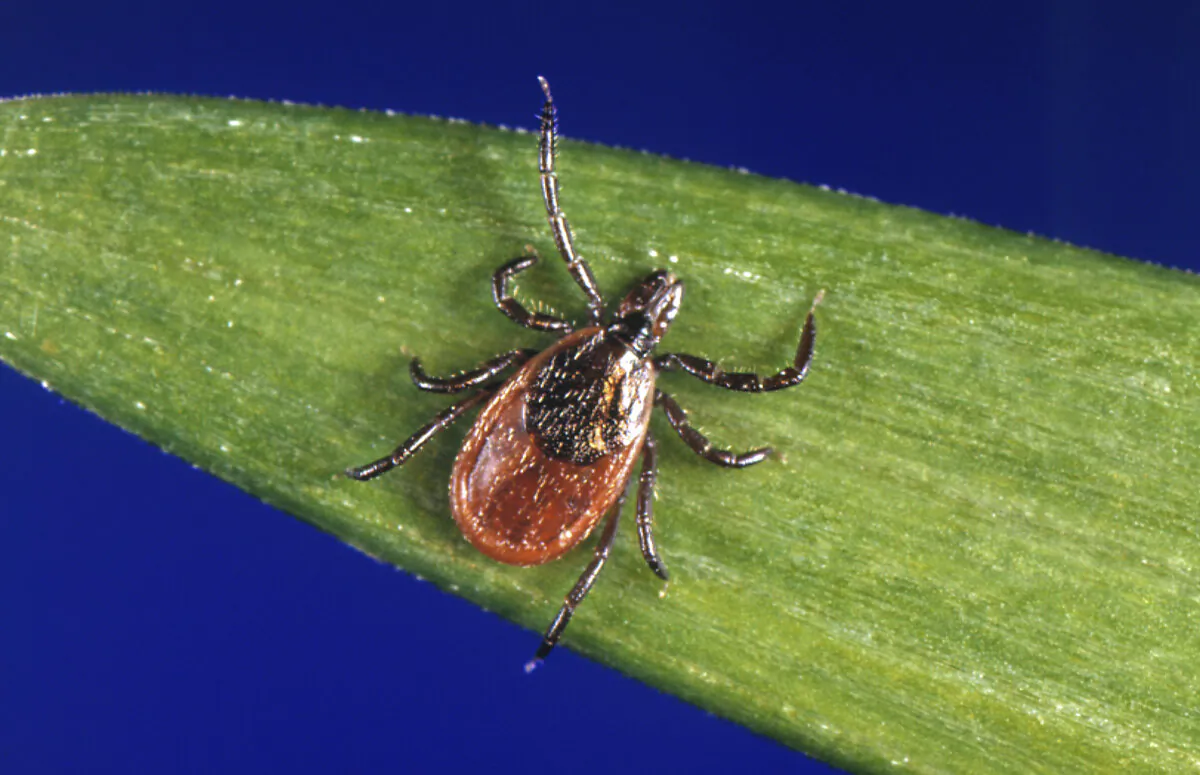
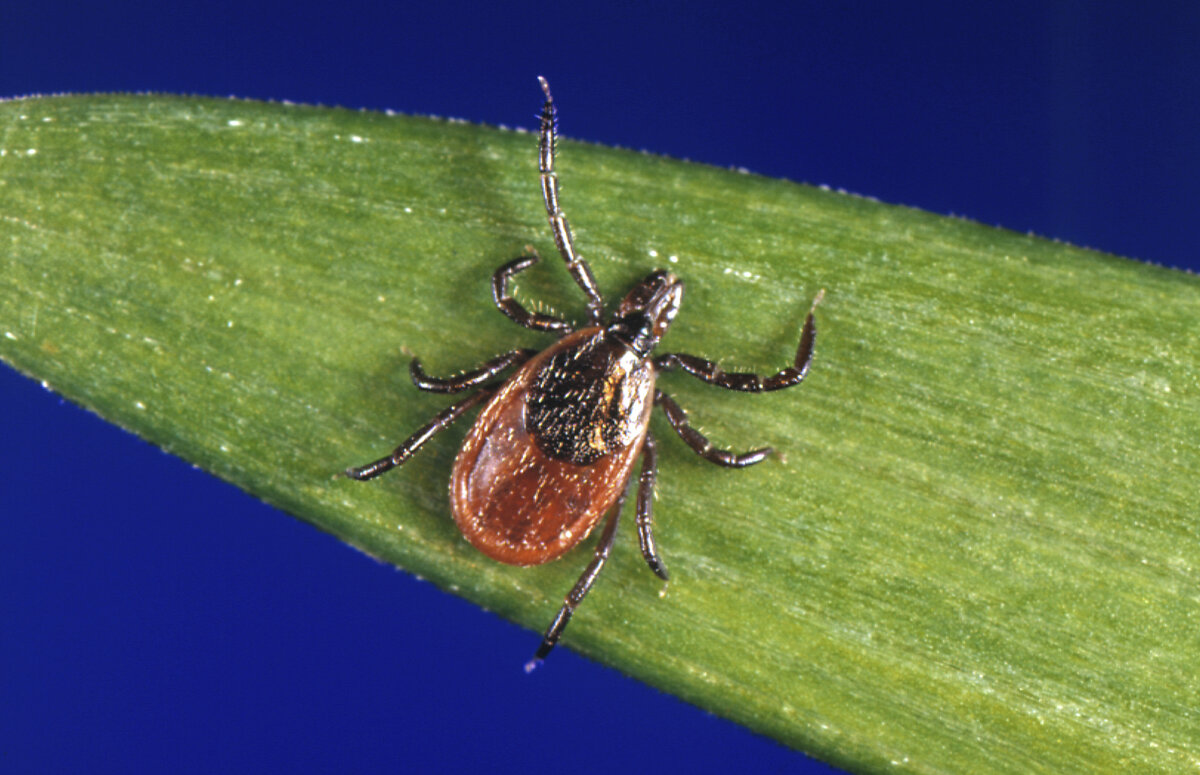
Ticks are commonly found in forests, tall grasses, and shrubs, but their tiny size can make them hard to spot, particularly before they reach adult size. An adult is approximately the size of a sesame seed, while young ticks, also known as nymphs, can be as small as a poppy seed.
Interior Health suggests walking on cleared trails, wearing a hat, long sleeves, pants and close-toed shoes, and using insect repellent containing DEET or Icaridin. The health authority also recommends checking one’s clothing, scalp, groin, and underarms for ticks, taking a shower, and putting clothes worn outdoors in the dryer on the hottest setting for at least 10 minutes.
HealthLink BC advises removing a tick as soon as it is noticed, but recommends seeking medical care if it has become deeply embedded in the skin.
Health authorities advise against using your bare hands to extract a tick. Use tweezers to carefully lift it straight out without applying pressure or twisting it.
 Friends Read Free
Copy
Facebook
Tweet
Friends Read Free
Copy
Facebook
Tweet