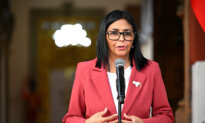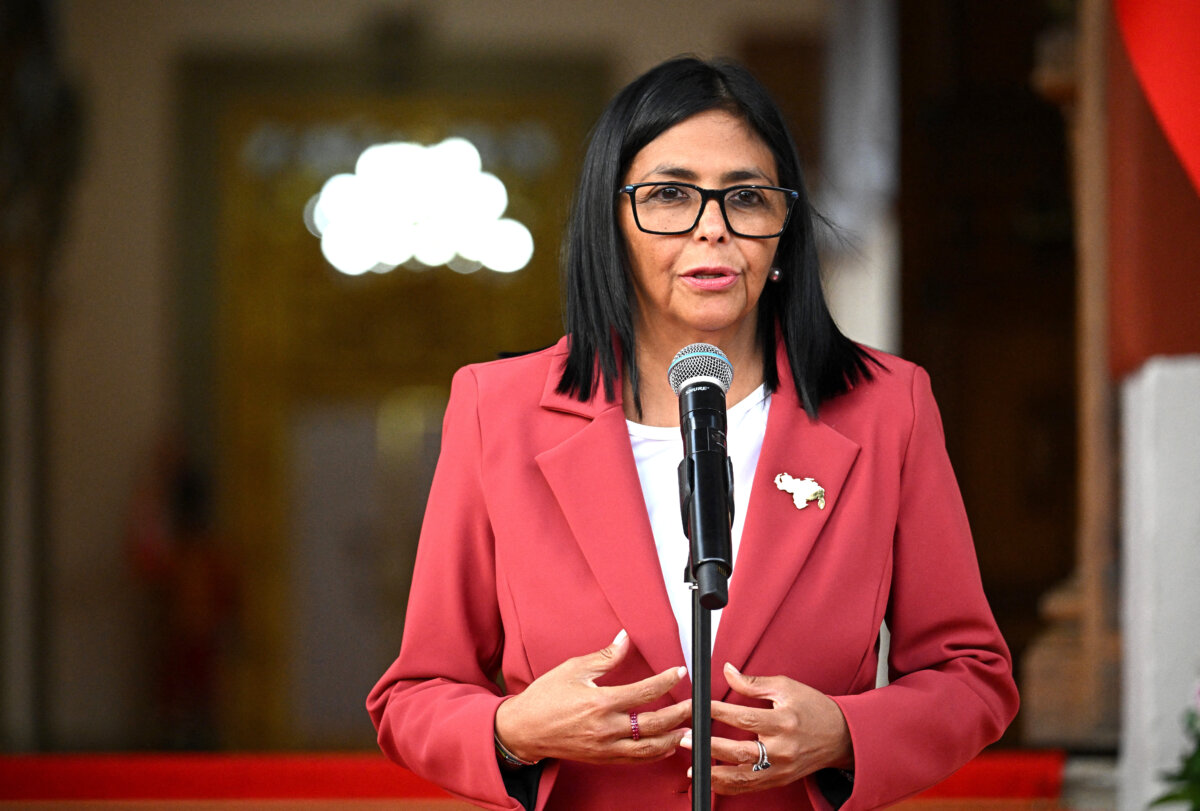
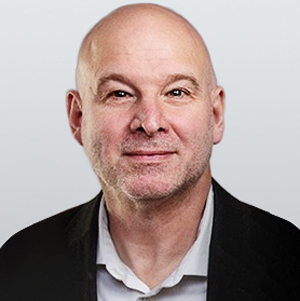
The U.S. Department of the Treasury removed Venezuelan acting President Delcy Rodríguez from its sanctions blacklist on April 1, according to an update from the Office of Foreign Assets Control.
People designated on the list have their assets blocked, and U.S. persons are “generally prohibited from dealing with them,” according to the Treasury Department.
Nicolás Maduro, the former disputed president of Venezuela, had given Rodríguez, considered a member of Maduro’s inner circle, a senior position in the Venezuelan government in 2018 so he could maintain his grip of power over the country, according to the Treasury Department.
Rodríguez was appointed to the position of executive vice president of Venezuela on June 14, 2018. Her previous roles in the Venezuelan government included president of the new National Constituent Assembly in 2017 and minister of the Popular Power for External Relations in 2014.
The United States targeted Maduro’s inner circle and put them under sanctions on Sept. 25, 2018.
The decision to take Rodríguez off the sanctions blacklist comes a day after U.S. Secretary of State Marco Rubio told Fox News about the progress made in Venezuela since Maduro’s capture.
Rubio said Venezuela has avoided mass migration, a civil war, and upheaval in the streets, and is now in an economic recovery phase. He said Venezuela is shipping its oil to U.S. refineries and hundreds of political prisoners have been freed.
“What’s been achieved in Venezuela in just three months is nothing short of extraordinary,” Rubio told Fox News on March 31. “I feel very good about the progress we made in Venezuela.”
The United States reopened its embassy in Venezuela on Monday, as it marked the first full U.S. diplomatic presence in Venezuela in seven years.
Maduro was taken into U.S. custody on Jan. 3 following a military operation. Maduro became president of Venezuela in 2013 after the death of Hugo Chavez, and he declared victory in the presidential election in 2018. However, the United States and more than 50 other countries have refused to recognize Maduro as the president of Venezuela since 2019.
In 2017, the United States alleged there was “widespread corruption” in Venezuela and alerted financial institutions. Washington said that senior Venezuelan political figures as well as their associates and front people were involved in money laundering schemes.
The United States stated in 2018 that Venezuela had fallen into a state of decline with hyperinflation projected to hit 1 million percent, with three million Venezuelan residents departing.
 Friends Read Free
Copy
Facebook
Tweet
Friends Read Free
Copy
Facebook
Tweet