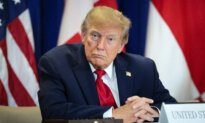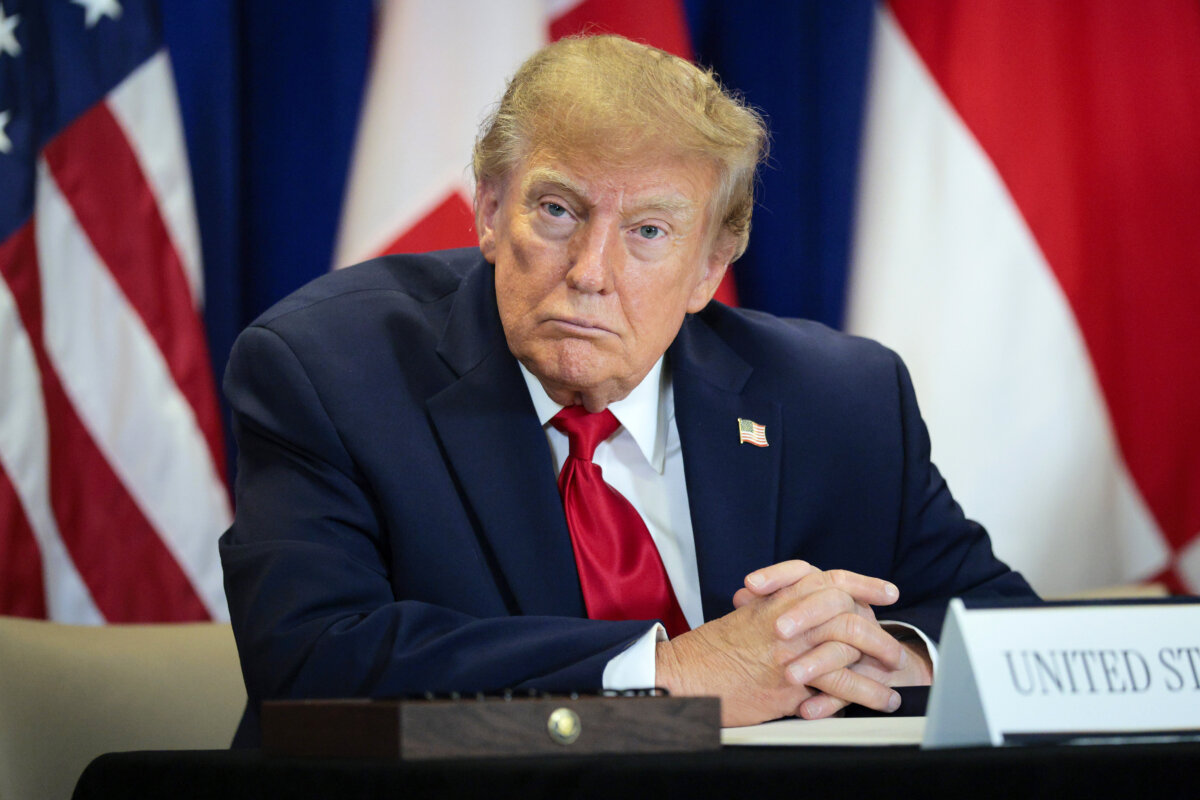

President Donald Trump said on Wednesday there was no known evidence at this time suggesting a Russian plague researcher’s death is linked to a biological weapon.
Earlier this month, Russian officials confirmed the death of a laboratory worker at a plague research facility in Siberia, prompting fears about the possibility of an epidemic. U.S. and World Health Organization (WHO) officials said they are monitoring the situation, while Russia’s public health watchdog said on Wednesday that no cases of plague were detected among those who came into contact with the worker.
Asked by a reporter at the White House about whether a “bioweapon” was involved, Trump responded: “Well, we don’t think so. We’re going to find out soon enough, but we don’t think so.”
“And they’re saying it’s very much under control,” he said, referring to Russia’s government. So, we hope not.”
Later, Trump told reporters that Russian officials have shared “a little bit with our people. We expect them to share it a lot with our people.”
“We have brilliant experts. They know everything about what’s going on, and all of that information is going through them,” the president said.
Russian health watchdog Rospotrebnadzor said the worker died of an unknown type of pneumonia and added that no relevant pathogens had been found in anyone who came into contact with her.
It has not yet said, however, what caused the pneumonia that killed her or how she fell ill. Pneumonia, a lung infection, can have a variety of causes, including plague, as well as other bacterial infections or viral respiratory diseases, such as flu or COVID-19.
In the United States, plague is considered very rare, only sickening around five people each year, on average. The bacterial infection has caused multiple pandemics throughout human history, including the Black Death that killed millions of Europeans during the Middle Ages.
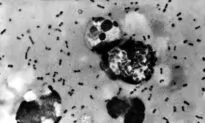
The pathogen, caused by the bacterium Yersinia pestis, is primarily spread via fleas from infected rodents. However, pneumonic plague—which infects the lungs—can be spread from person-to-person, health officials say.
Aside from Trump, U.S. Secretary of State Marco Rubio said Washington is demanding more transparency from Russia over the worker’s death in comments to reporters earlier this week, although Rubio added that he also would not speculate on the incident in Siberia.
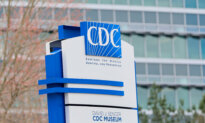
On Wednesday, U.S. Centers for Disease Control and Prevention (CDC) Director Erica Schwartz noted that her office said the risk to the United States from the pneumonia death is considered extremely low. In the meantime, the CDC is preparing to monitor and screen travelers, she said.
“We are working with Department of Homeland Security, working [with] Department of State, Department of War, and other agencies within the government to make sure that we know exactly if anyone from that area comes into the United States,” Schwartz said at the Wall Street Journal’s The Future of Health event in Washington.
The U.S. Embassy in Russia issued a travel alert on Tuesday that advised U.S. citizens to follow the guidance of health authorities and to avoid any impacted facilities in the country.
Trump’s remarks Wednesday also came as Russia responded to reports claiming that a second laboratory worker died, with Kremlin spokesman Dmitry Peskov telling reporters that unspecified media reports are mostly false.
“There is a great deal of media coverage, and the vast majority of what the media are reporting about this situation is false information,” he said.
Reuters contributed to this report.
 Friends Read Free
Copy
Facebook
Tweet
Friends Read Free
Copy
Facebook
Tweet