
U.S. President Donald Trump on July 13 warned Tehran that the United States could soon target Pickaxe Mountain, an Iranian underground nuclear site.
“We’re watching it closely. We see no activity there. They’re not doing well with their nuclear situation … but we’ll probably give Pickaxe Mountain a shot relatively soon,” Trump told The Hugh Hewitt Show.
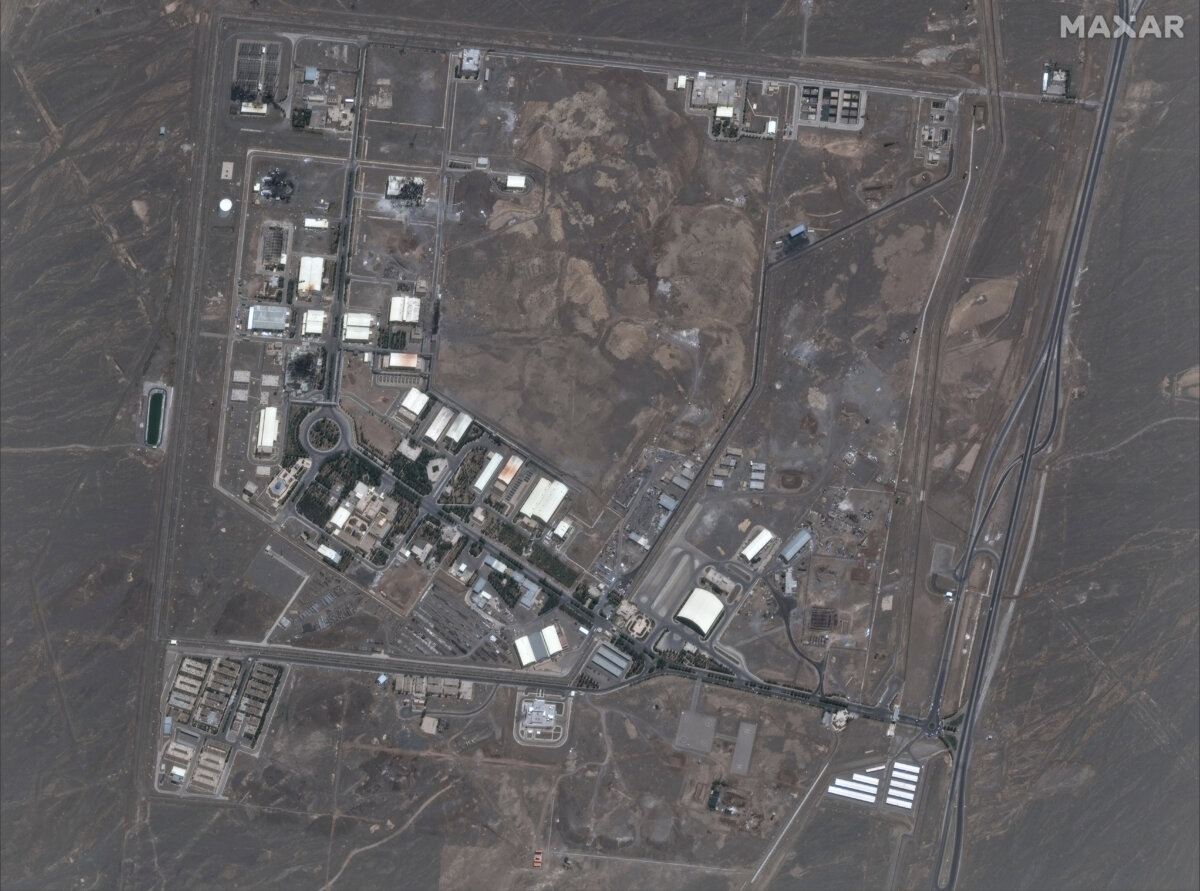
Pickaxe Mountain, located near Iran’s heavily damaged Natanz uranium enrichment facility, is a complex buried about 330 feet below ground, according to Andrea Stricker of the Foundation for Defense of Democracies (FDD), an expert in nuclear proliferation and counterproliferation who specializes in Iran’s nuclear program.
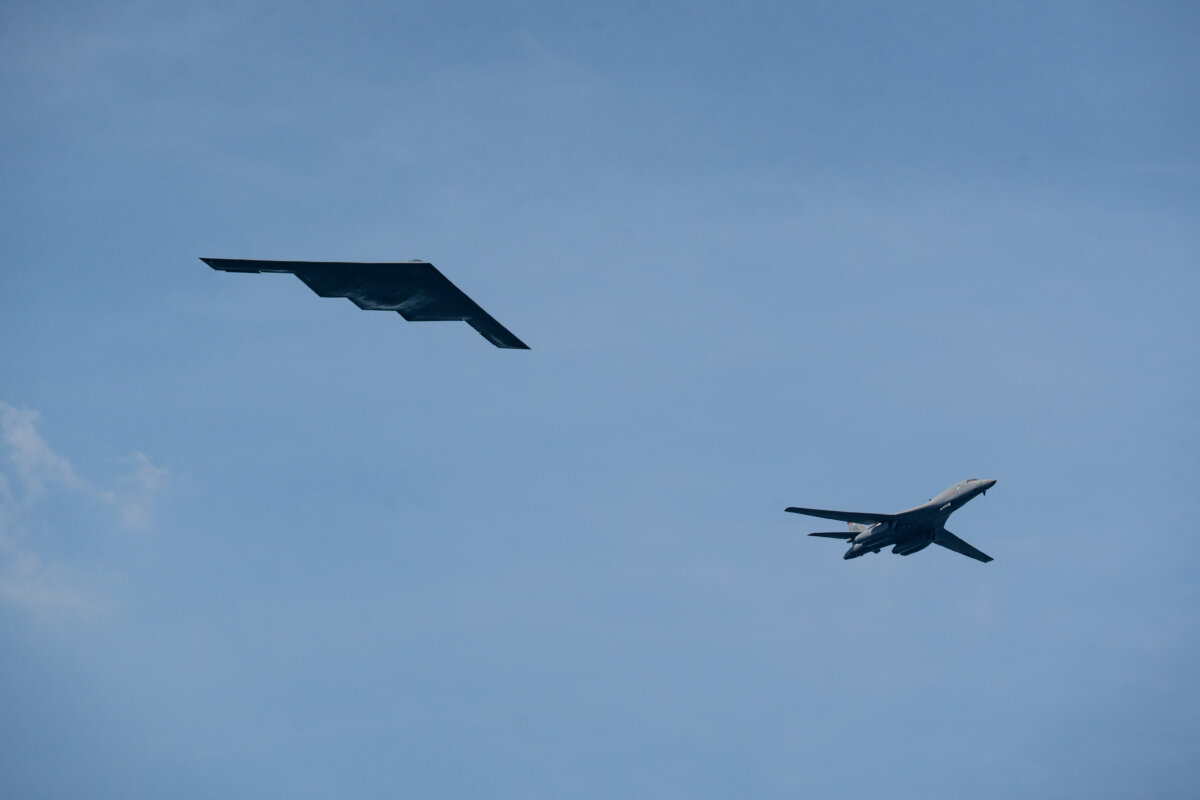
The United States and Israel dealt a heavy blow to Iran’s nuclear program in June 2025 using Air Force stealth B-2 Spirit bombers.
“We’re going to take out Pickaxe Mountain. Tell the Iranians to be ready,” Trump told Hewitt.
“There’s not a damn thing they can do about it.”
Trump also said he was getting along with Israeli Prime Minister Benjamin Netanyahu, nicknamed “Bibi.”
“I get along with him very well. Sometimes I disagree with him. I let it be known, and I’ve been right,” he said.
“If I wasn’t around, or Bibi wasn’t around, especially the combination, Israel would not exist today. … We wouldn’t have hit them with the B2 bombers. They were going to have a nuclear weapon within two weeks. Had I not hit them with a nuclear, within two to four weeks, they would have had a nuclear weapon, and once they had a nuclear weapon, they would have used it, and you wouldn’t even have Israel.”
The United States launched a third night of strikes against Iran on July 13 aimed at degrading Iran’s ability to attack civilians and commercial shipping in the Strait of Hormuz, U.S. Central Command reported.
The attacks started hours after Trump announced the United States was reinstating a blockade on Iranian ports and would be reimbursed for guarding the strait.
U.S. and Iranian military forces exchanged heavy missile and drone attacks over the weekend and into Monday, marking an escalation in the conflict after an interim ceasefire agreement between the countries unraveled.
Trump declared that a ceasefire with Iran was over last week after Iran attacked merchant shipping in the Strait of Hormuz.
Any country doing business with Iran won’t be able to get through the strait, Trump said when asked about the offensive during a press conference Monday.
“It’s a very strong blockade,” he said.
Before the war started in February, an average of more than 130 vessels and oil tankers—about 20 percent of the world’s oil and natural gas supply—regularly passed through the waterway daily.
“This is what they’ve done for 47 years,” Trump said. “The difference is, nobody negotiated like I do.”
Iran is actively responding to the wider U.S. campaign with missile and drone attacks.
Iran’s Foreign Ministry spokesman Esmail Baghaei said in a July 12 post on X that Iran’s strikes on U.S. military bases in the southern Persian Gulf were a “legitimate” act of self-defense and accused Washington of violating international law.
“Iran does not ‘attack.’ Iran’s strikes on U.S. military bases and assets stationed in the southern Persian Gulf constitute a legitimate and lawful exercise of its inherent right to self-defense under international law,” he said.
Baghaei said that the United Nations “should urge the countries in question to immediately cease allowing the United States to use their territories as launchpads for aggression against Iran.”
“It is far from responsible to blame Iran for defending its sovereignty while failing to hold the aggressors accountable for their egregious violation of international law,” he added.
Jill McLaughlin and Maya Mizrahi contributed to this report.
 Friends Read Free
Copy
Facebook
Tweet
Friends Read Free
Copy
Facebook
Tweet