
U.S. President Donald Trump’s push for allies to help reopen the Strait of Hormuz has drawn a patchwork response, with the UK and France signaling support for coordinated action to restore navigation.
Several European and Asian partners are rejecting military involvement, and the European Union is debating whether it can do more to protect shipping without widening the Iran war.
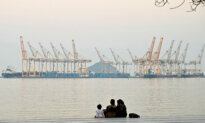
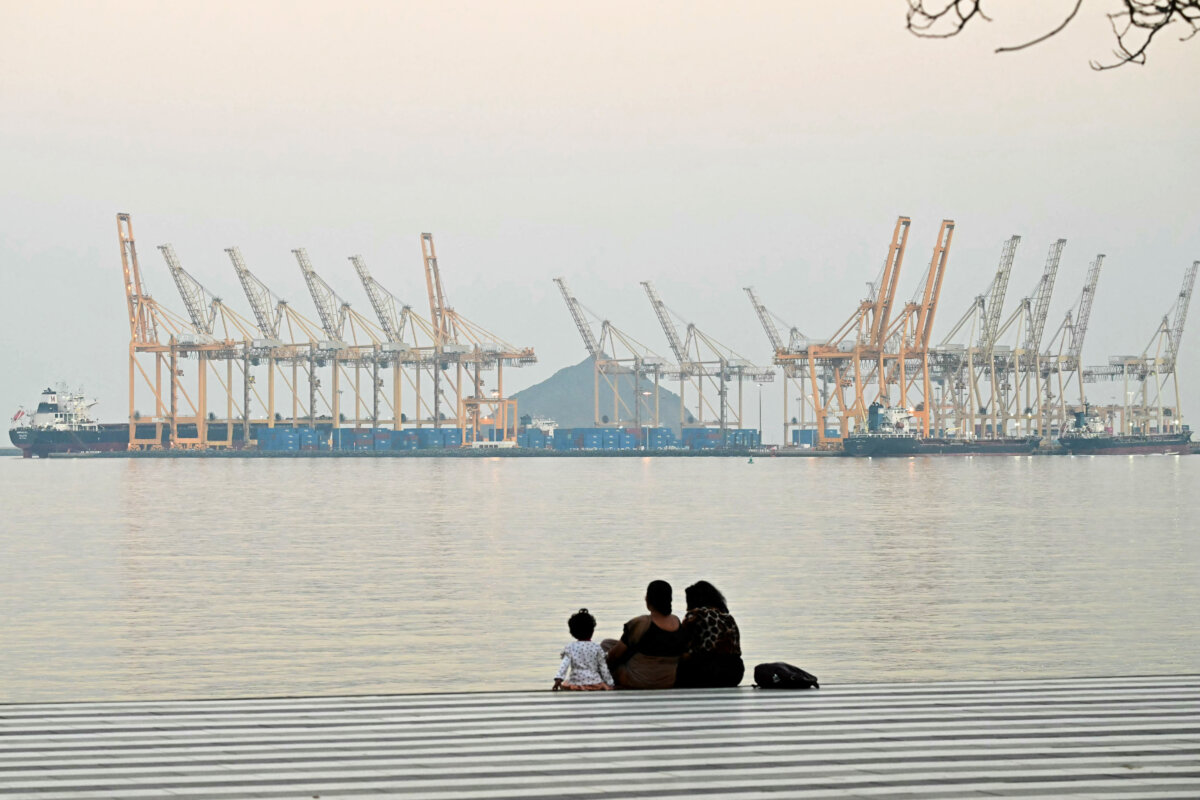
Trump said on March 15 that he had asked about seven countries that depend heavily on the waterway to help secure it, after earlier naming China, France, Japan, South Korea, and the UK as countries he hoped would deploy ships while U.S. forces kept targeting what remained of Iran’s naval capabilities. The Strait of Hormuz normally carries about one-fifth of the world’s oil supply.
Brent crude traded near $105 per barrel on March 16 after rising by more than 40 percent since the war began.
British Prime Minister Keir Starmer took one of the more active positions among U.S. allies, while still stopping short of committing forces. Starmer said on March 16 that 10 Downing Street was working with allies, including in Europe and the Persian Gulf, to develop a “viable, collective plan” to reopen the Strait of Hormuz.
“We’re not, there are no decisions having been made,” Starmer said, noting that this had been discussed with Trump. “It’ll have to be something which is agreed [upon] by as many partners as possible, is my strong view. And we’re not at that stage yet, but we are working hard.”
French President Emmanuel Macron, after speaking with Iranian President Masoud Pezeshkian, called for an end to Iran’s attacks in the region in a March 15 post on X.
“Freedom of navigation in the Strait of Hormuz must be restored as soon as possible,” he said, noting that only a new political and security framework could deliver lasting peace and security.
A day earlier, the French foreign ministry said in its response account on X that its naval mission is in the Eastern Mediterranean and remains “defensive.”
EU Weighs Options
Arriving for a meeting of EU foreign ministers in Brussels on March 16, EU foreign policy chief Kaja Kallas said the closure was hurting the global economy, affecting partners in the region, and helping Russia finance its war.
Kallas said ministers would discuss possible contributions from the bloc’s Operation Aspides naval mission. Launched in 2024, the mission aims to protect commercial shipping in the Red Sea and surrounding waters from attacks by Yemen-based Houthi terrorist group forces.
Kallas said she had also discussed with U.N. Secretary-General Antonio Guterres whether a Black Sea-style arrangement could help resume oil and gas transport, and she stressed that any operational move would depend on what EU member states were willing to do.
On NATO, she said that previous contacts had taken place but that the Gulf was “out of NATO’s area of action,” noting that “there are no NATO countries in the Strait of Hormuz.”
That caution was echoed by Johann Wadephul, German foreign minister, who said on March 16 that he saw no indication that NATO had made a decision on Hormuz or would become responsible for it.
Wadephul urged Washington and Israel to clarify when they would consider their military objectives achieved and said Germany is pressing for sanctions against those responsible for blocking the strait because the disruption is sending “shockwaves around the world.”
Denmark signaled openness to some European contribution, even though it did not back the U.S.–Israeli decision to go to war.
Lars Lokke Rasmussen, Danish foreign minister, said on March 16 that Europe should keep “an open mind” about how it might help ensure freedom of navigation, while emphasizing de-escalation and noting that Copenhagen had not yet received a U.S. request.
Others were more explicit in ruling out direct involvement.
Spain said on March 16 that it would not take part in any military mission in Hormuz because it views the U.S.–Israeli war with Iran as illegal.
“Spain will never accept any stopgap measures, because the objective must be for the war to end, and for it to end now,” Spanish Defense Minister Margarita Robles said.
Arriving in Brussels on March 16, Spanish Minister for Foreign Affairs José Manuel Albares said ending the conflict through negotiation is essential to protect civilians and avoid a global surge in energy prices.
Greece also ruled out military operations in the strait, with government spokesman Pavlos Marinakis saying on March 16 that Athens would limit itself to the Aspides mission.
Italy struck a similarly cautious tone, with Minister of Foreign Affairs Antonio Tajani telling reporters in Brussels that although Rome supports reinforcing EU naval missions in the Red Sea, these missions cannot be expanded to include Hormuz.
Asia
In Asia, Japanese Prime Minister Sanae Takaichi said on March 16 that Tokyo had made no decision to dispatch escort ships, citing constitutional and legal constraints.
She said in a March 16 post on X that “with crude oil tankers effectively unable to pass through the Strait of Hormuz, crude oil imports to Japan are expected to decrease significantly from around March 20th onwards.”
Australia, on March 16, ruled out sending naval ships to the Strait of Hormuz, while South Korea said it would review Trump’s request carefully.
Chinese Ministry of Foreign Affairs spokesperson Lin Jian said on March 16 that tensions around the Strait of Hormuz have disrupted international trade and threatened regional stability but that Beijing’s priority is de-escalation rather than military involvement.
He said China is urging all sides to halt military operations immediately, avoid further escalation, and prevent broader damage to the global economy.
When asked about Trump’s request that China help secure the waterway, Lin repeated that Beijing is “in communication with relevant parties” and working to reduce tensions, without confirming any U.S. request for Chinese naval participation or committing to sending ships.
Trump said on March 15 that he may delay a planned meeting with Chinese leader Xi Jinping and that he expects Beijing to assist in keeping the Strait of Hormuz open.
According to remarks by U.S. Treasury Secretary Scott Bessent on March 16, the delay is not an attempt to pressure Beijing on the Strait of Hormuz.
“If the meeting for some reason was rescheduled, it would be rescheduled because of logistics,” Bessent said.
“The president wants to remain in [Washington] to coordinate the war, and traveling abroad at a time like this may not be optimal.”
Gulf Pressure
In a joint statement on March 15, Gulf Cooperation Council foreign ministers and the UK stressed the importance of protecting airspace, maritime routes, freedom of navigation, shipping operations, and the stability of global energy markets.
The ministers noted the international condemnation of any Iranian actions or threats aimed at closing or obstructing international navigation in the Strait of Hormuz or threatening maritime security in the Bab-el-Mandeb Strait.
On March 16, Iran rejected the broadest characterization of the Hormuz shutdown.
“From our perspective, it is open,” Iranian Minister of Foreign Affairs Abbas Araghchi said, noting that the strait is “only closed to [Iran’s] enemies, to those who carried out unjust aggression against [the] country and to their allies.”
Reuters and The Associated Press contributed to this report.
 Friends Read Free
Copy
Facebook
Tweet
Friends Read Free
Copy
Facebook
Tweet