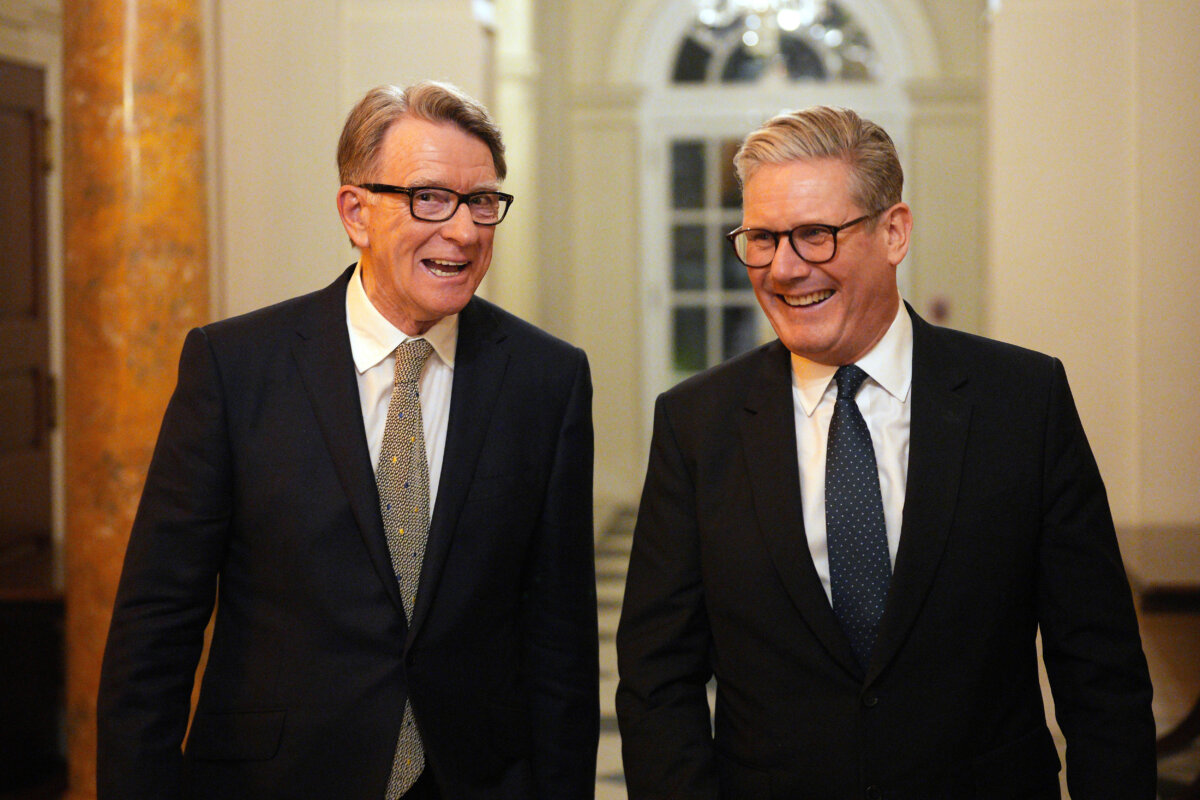

British Prime Minister Keir Starmer averted a lawmakers’ inquiry into his appointment of Peter Mandelson as British ambassador to the United States when his links to the late sex offender Jeffrey Epstein were in the public domain.
Starmer has faced calls from opposition parties to resign over the Mandelson scandal, with questions remaining about whether he bent the rules to appoint the Labour grandee as the UK’s top Washington diplomat. He has also been criticized within his own party, with a small number of Labour lawmakers, including Scottish Labour leader Anas Sawar, calling on him to step down.
The House of Commons on Tuesday rejected a move by opposition politicians to trigger a parliamentary standards investigation into Starmer. With a large Labour majority, the bid to oust Starmer would have succeeded only if his own parliamentary party had turned against him.
In the end, just 15 Labour MPs rebelled by voting with the opposition motion, put forward by Conservative leader Kemi Badenoch, although 52 from the party did not vote. On the same day as the vote, a former senior official said he could not confirm whether “due process” was followed when Mandelson was given the key diplomatic job in December 2024 despite failing security checks.
The prime minister has apologized for his “mistake” in appointing the Labour grandee, but denies misleading lawmakers over the matter because he said he was not told Mandelson had failed vetting.
Senior officials in the civil service have said they faced pressure from Starmer’s office to confirm the appointment as quickly as possible at the start of U.S. President Donald Trump’s second term.
Starmer ‘Aware of Risks’
“I was presented with a decision and told to get on with it,” said Philip Barton, who was top civil servant in the Foreign Office when the choice of Mandelson was announced in December 2024.
“The prime minister had been made aware of the risks and had accepted the risks,” Barton told the Foreign Affairs select committee on Tuesday.
The appointment prompted criticism when it was announced, in part because it was a political appointment, with Mandelson having no diplomatic experience.
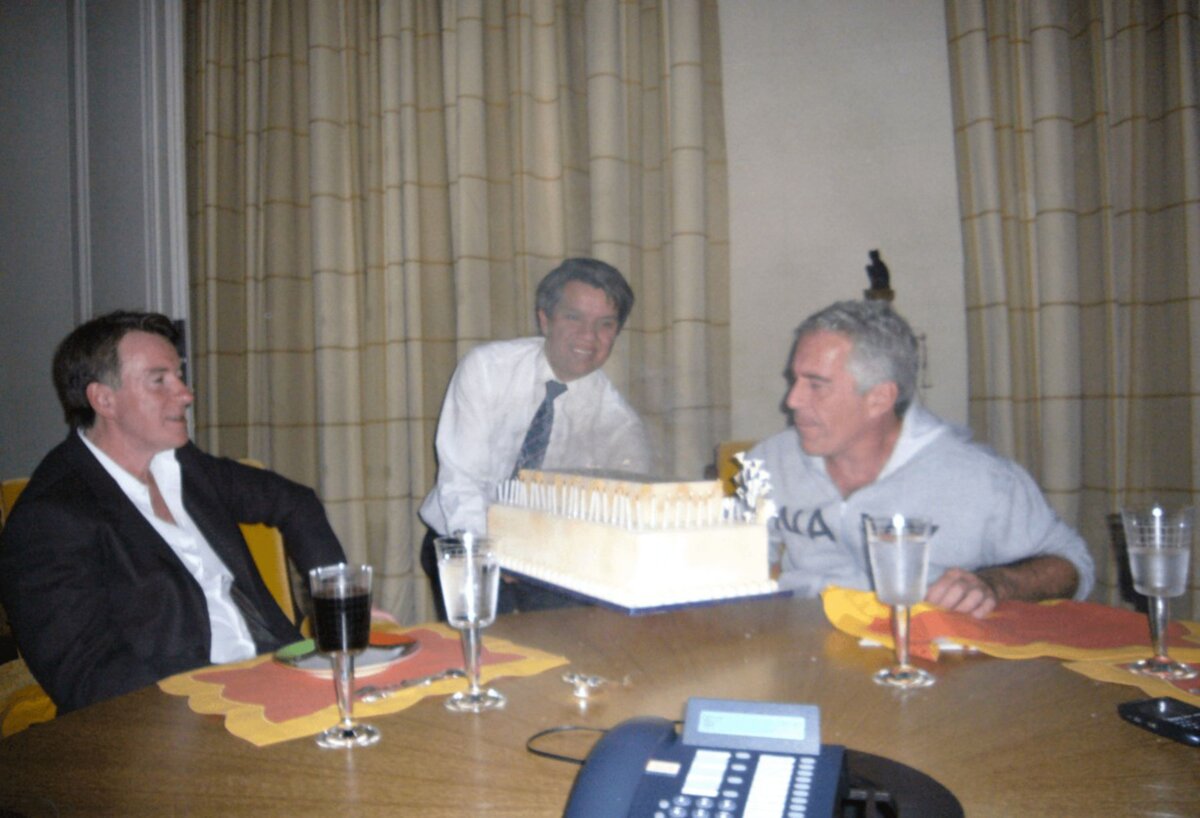
Mandelson’s social links to Epstein have been in the public domain since 2002. More recently, an internal report by JP Morgan, filed to a New York court in 2023, suggests that in June 2009, when he was business secretary, Mandelson stayed at Epstein’s townhouse when he was in prison for soliciting prostitution from a minor.
Trump earlier this month described Mandelson as a “really bad pick” for the ambassadorial role, considered crucial to the so-called “special relationship” between London and Washington.
Mandelson was fired in September 2025 after emails emerged from the latest tranche of the Epstein files confirming he continued corresponding with Epstein following his 2008 conviction for soliciting sex from a minor.
‘Serious Mistake’
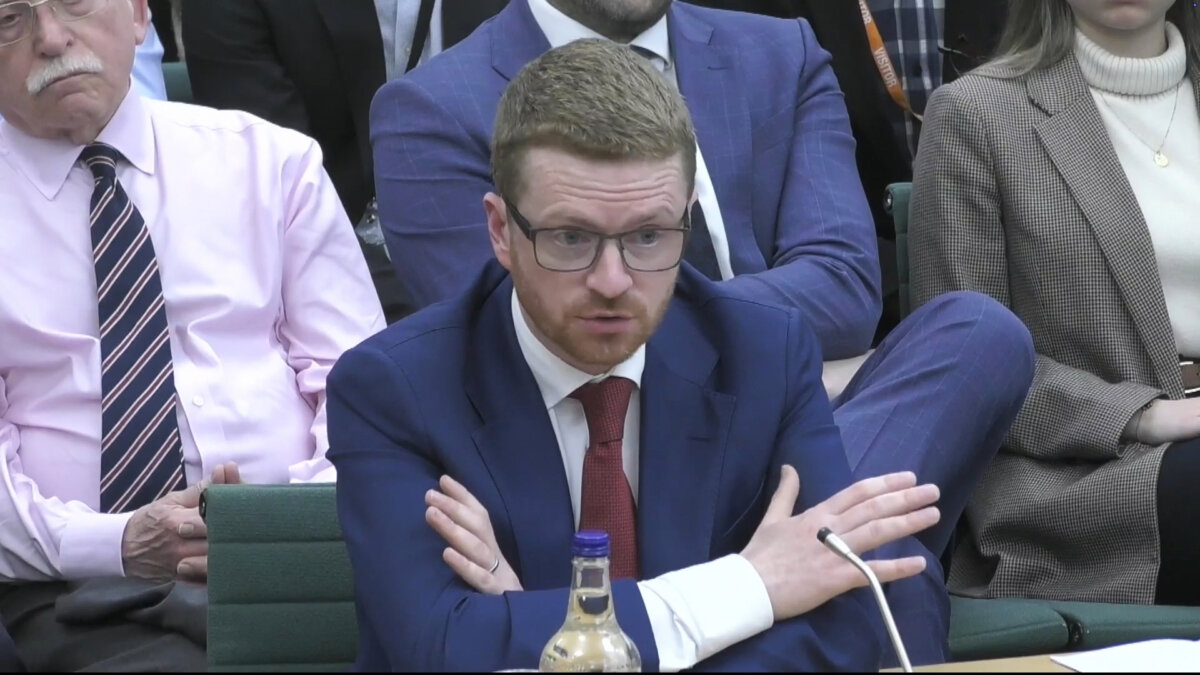
Starmer’s former chief of staff, Morgan McSweeney, appeared before the select committee on Tuesday, saying he had made a “serious mistake” by recommending Mandelson.
But McSweeney, who resigned in February amid the growing scandal, denied pressuring officials to ignore security concerns.
He apologized to Epstein’s victims in his evidence, saying, “I am sorry for any part this controversy has played in causing further hurt or distress.”
McSweeney said he didn’t “ask officials to ignore procedures, request that steps should be skipped, or communicate explicitly or implicitly that checks should be cleared at all costs.”
Police opened an investigation into Mandelson in February following allegations that he passed confidential government information to Epstein while he was a member of the government led by Gordon Brown in 2009.
Mandelson stepped down from the House of Lords following the revelations in the files. He has not been charged with any criminal offence.
Explaining the appointment to the committee, McSweeney said he felt Mandelson’s experience as a former European Union trade commissioner would be to the UK’s advantage in negotiating a trade deal with the Trump administration.
“I don’t think the prime minister would have chosen Mandelson if Kamala Harris had been elected president,” he said.
He said that at the time of the appointment, he believed that Mandelson’s relationship with Epstein amounted to “a passing acquaintance.”
‘Knife Through My Soul’
When the files revealed emails showing the extent of their communications, McSweeney said, “it was a knife through my soul.”
Starmer sacked top Foreign Office official Olly Robbins earlier this month after it emerged Mandelson was approved for the job despite failing the vetting process of the government’s security agency.
Starmer said it was “staggering” that Robbins did not tell him that Mandelson failed to pass security vetting.
Robbins told the committee last week that the concerns about Mandelson did not relate to Epstein, but would not disclose what they were concerning because he said he was bound by confidentiality rules.
‘Pressure’ on Senior Officials
Barton told the committee he had concerns that Mandelson’s known links to “toxic, hot potato” Epstein “could become a problem.”
“There was pressure to get everything done as quickly as possible,” said Barton.
The prime minister has denied that anyone in his office put pressure on the civil service to approve Mandelson for the appointment.
Starmer, who led the center-left Labour Party to a landslide election victory in July 2024, remains under pressure to resign.
‘A Baseless Political Stunt’
Lawmakers rejected by 335 votes to 223 the opposition’s demand for Parliament’s Privileges Committee to investigate Starmer’s claim that “due process” was followed in Mandelson’s appointment.
Had Starmer lost the vote, he could have been suspended by Parliament and come under huge pressure to resign for misleading MPs.
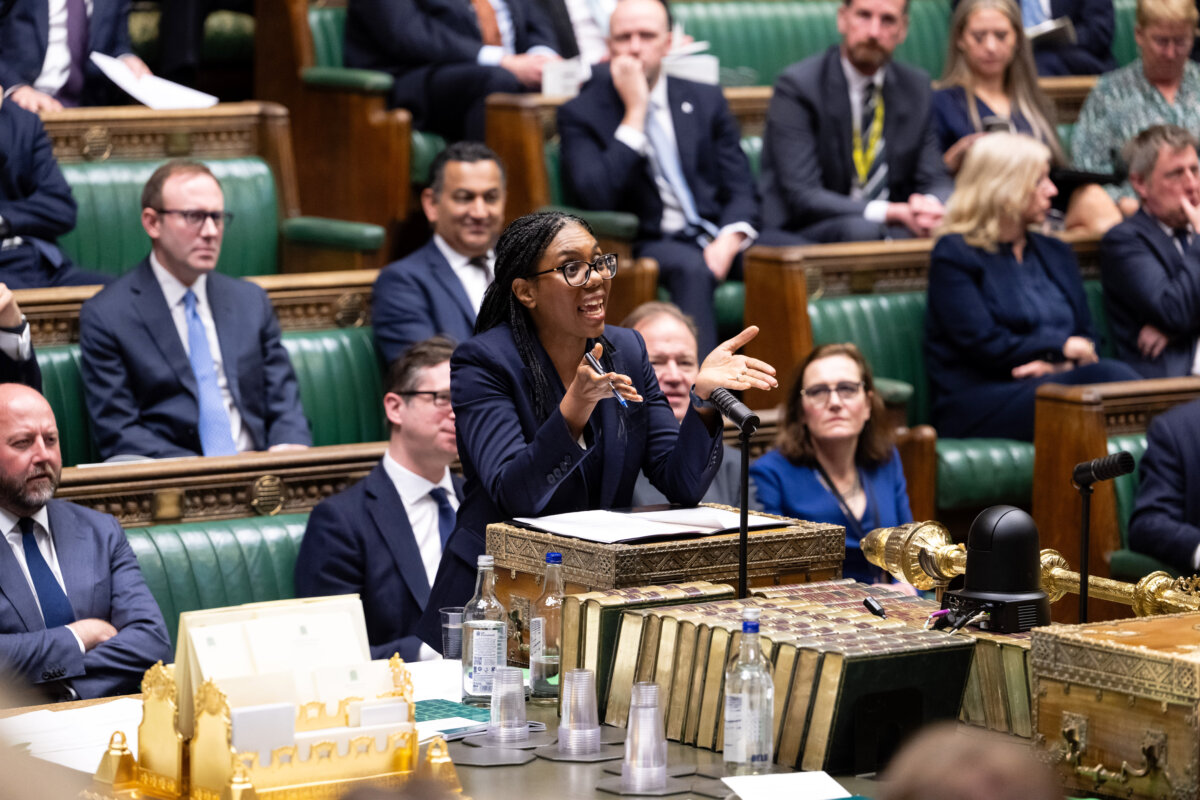
In the parliamentary debate prior to the vote, Badenoch urged Labour lawmakers not to be complicit in a “cover-up.”
“It’s clear that full due process was not followed,” Badenoch said, adding that “appointing a known national security risk to be ambassador to the United States is a profound failure of government.”
In Prime Minister’s Questions on Wednesday, Starmer branded the motion against him “a baseless political stunt” ahead of the May elections.
 Friends Read Free
Copy
Facebook
Tweet
Friends Read Free
Copy
Facebook
Tweet