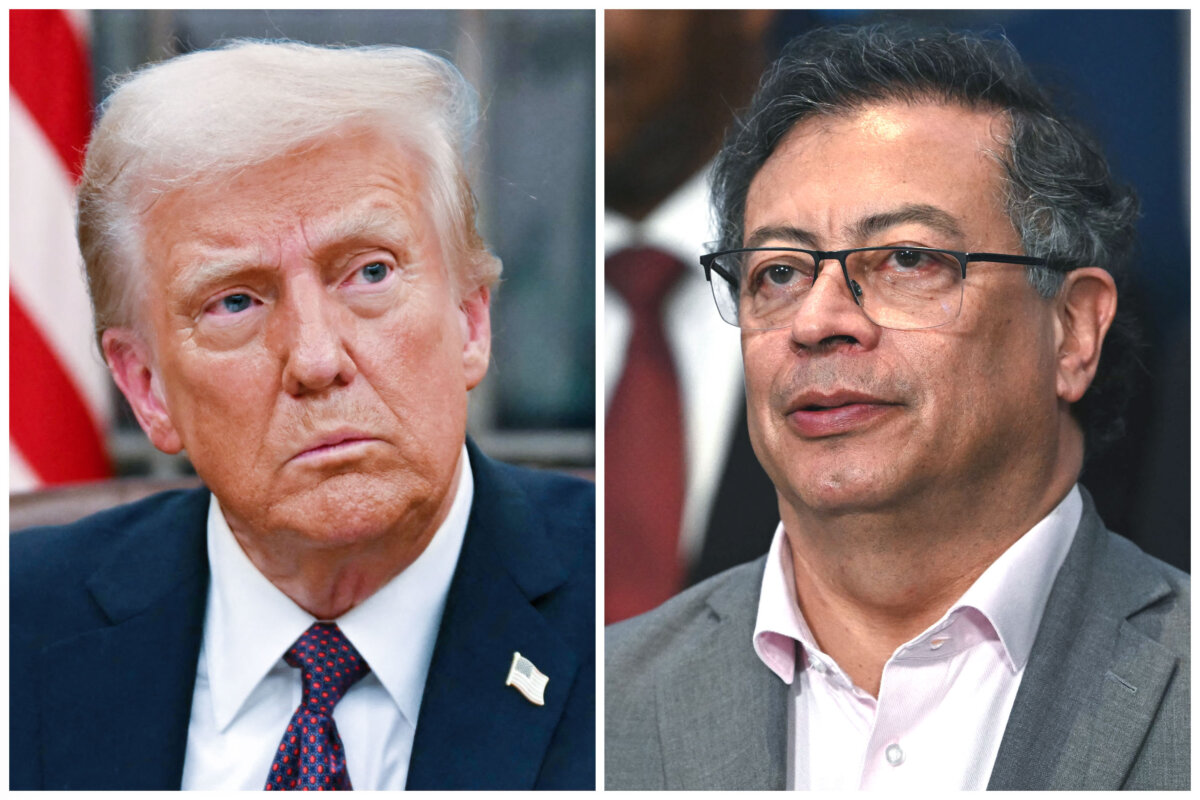
U.S. President Donald Trump on Sept. 15 added Colombia to a list of countries he says are not cooperating in the effort to tackle drugs, the first time since 1997 that the South American country has been included.
In a presidential determination, which will be sent to Congress, Trump said, “In Colombia, coca cultivation and cocaine production have surged to all-time records under President Gustavo Petro, and his failed attempts to seek accommodations with narco-terrorist groups only exacerbated the crisis.”
Trump’s determination said coca cultivation and cocaine production have reached record highs under Petro and that his government has “failed to meet even its own vastly reduced coca eradication goals.”
“For this reason, I have designated Colombia as having failed demonstrably to meet its drug control obligations,” Trump wrote.
Colombian President Gustavo Petro, who once said cocaine is no worse than whisky, criticized the Trump administration’s decision during a televised Cabinet meeting on Sept. 15. He said Colombia was being penalized despite losing “dozens of policemen, soldiers, and regular citizens, trying to stop cocaine” from reaching the United States.
“What we have been doing is not really relevant to the Colombian people, it’s to stop North American society from smearing its noses” in cocaine, he added.
Colombia was last on the list in 1997, four years after the death of the infamous leader of the Medellin drug cartel, Pablo Escobar.
In 1995, Colombian President Ernesto Samper denied receiving illicit campaign contributions from the Cali cartel, which succeeded the Medellin cartel.
The cartel’s leaders, Gilberto Rodríguez Orejuela and his brother Miguel, were eventually extradited to the United States in 2006. Gilberto died in 2022, and his 82-year-old brother is still incarcerated in the United States.
In 2016, then-Colombian President Juan Manuel Santos signed a peace agreement with the Marxist Revolutionary Armed Forces of Colombia (FARC), which had fought a war against the state and other groups for 52 years.
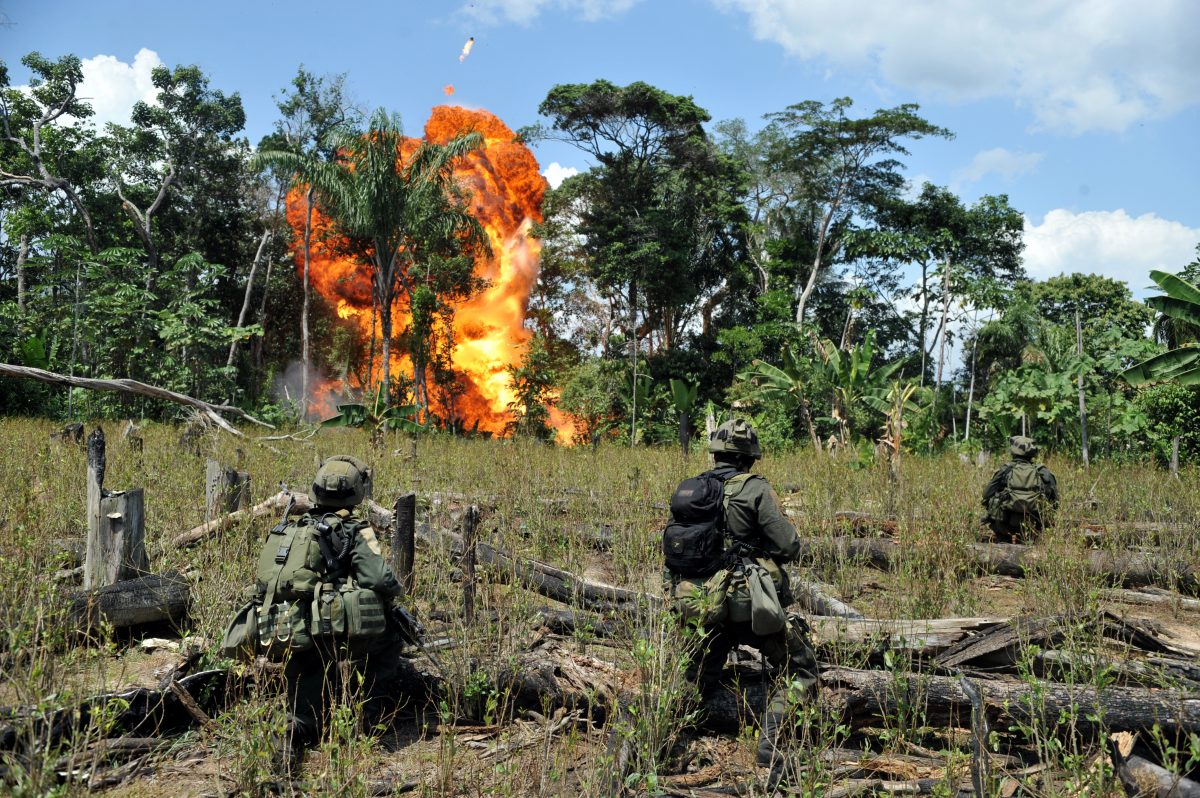
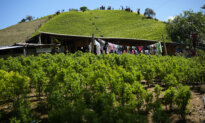
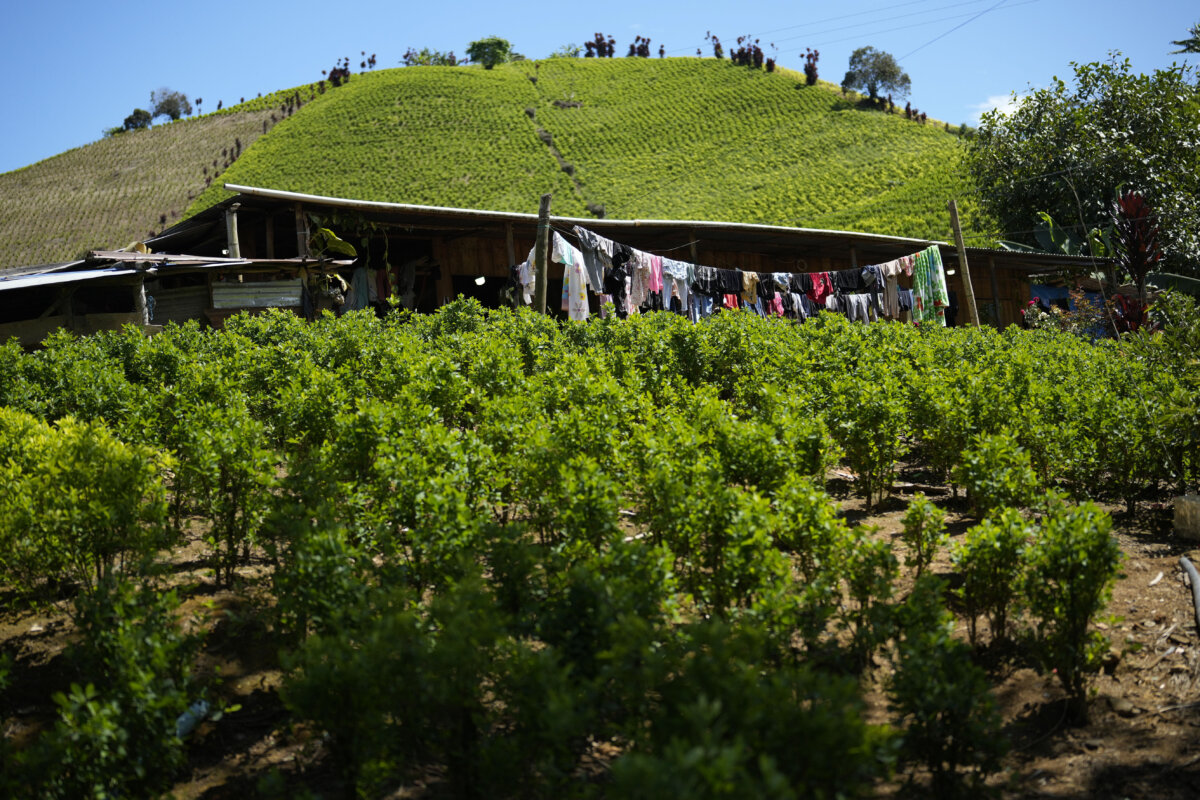
FARC had mostly funded its war through the drug trade but gave up its weapons and disbanded in 2017. Since the peace accord came into effect, cocaine production has risen. The amount of land dedicated to cultivating coca, the base ingredient of cocaine, almost tripled over a decade to a record 253,000 hectares in 2023, according to a 2023 report from the U.N. Office on Drugs and Crime.
In recent years, new Colombian narco trafficking groups, such as the Clan del Golfo (CDG), have emerged, often working in league with the big Mexican cartels and with Tren de Aragua in Venezuela.
In August 2023, one of the CDG’s leaders, Dairo Antonio Úsuga David, also known as “Otoniel,” was jailed for 45 years in New York after being extradited by Petro’s conservative predecessor, President Iván Duque.
In his presidential determination, Trump praised Colombia’s security institutions for showing skill and courage in confronting criminals and narcoterrorists, but said, “The failure of Colombia to meet its drug control obligations over the past year rests solely with its political leadership.”
He said, “I will consider changing this designation if Colombia’s government takes more aggressive action to eradicate coca and reduce cocaine production and trafficking, as well as hold those producing, trafficking, and benefiting from the production of cocaine responsible, including through improved cooperation with the United States to bring the leaders of Colombian criminal organizations to justice.”
Under U.S. law, countries that have failed to meet their obligations under international counternarcotics agreements during the previous 12 months have to be identified as part of a decertification process.
In addition to Colombia, the Trump administration listed Venezuela, Bolivia, Afghanistan, and Burma—also known as Myanmar—as failing to meet their obligations to stop narcotics trafficking.
Venezuelan Traffickers Hit Again, Trump Says
Eleven alleged members of Tren de Aragua were killed by a U.S. military strike on a Venezuelan boat trafficking drugs on Sept. 2.
On Sept. 15, Trump said the U.S. military had carried out a second “kinetic strike” on a boat carrying drugs from Venezuela, killing three alleged traffickers.
Trump posted on Truth Social: “The Strike occurred while these confirmed narcoterrorists from Venezuela were in International Waters transporting illegal narcotics (A DEADLY WEAPON POISONING AMERICANS!) headed to the U.S.
“These extremely violent drug trafficking cartels POSE A THREAT to U.S. National Security, Foreign Policy, and vital U.S. Interests.”
Speaking to reporters in the Oval Office later, Trump said Gen. Dan Caine, chairman of the Joint Chiefs of Staff, had shown him footage of the strike and said he had proof the vessel was carrying drugs.
Trump said: “We have proof. All you have to do is look at the cargo that was spattered all over the ocean—big bags of cocaine and fentanyl all over the place.”
After the first U.S. attack on the Venezuelan vessel, Petro said on Sept. 5, “Under my administration, Colombia does not collaborate in assassinations.”
The Associated Press contributed to this report.
 Friends Read Free
Copy
Facebook
Tweet
Friends Read Free
Copy
Facebook
Tweet