
Australian super funds and companies investing in the United States will breathe a sigh of relief after the Trump administration removed the so-called “revenge tax” scheme.
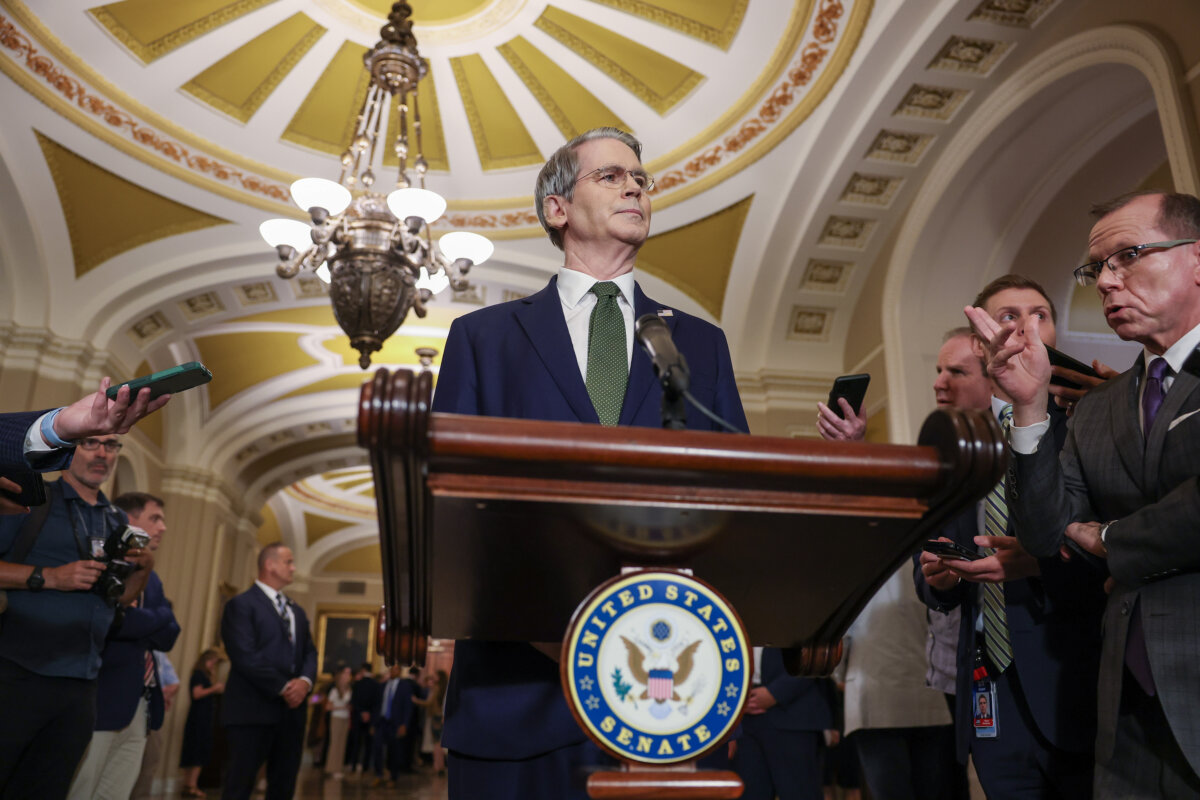
On June 27, U.S. Treasury Secretary Scott Bessent announced that he would ask the U.S. Congress to remove the Section 899 protective measure from the One Big Beautiful Bill, which included a major tax law aimed at protecting U.S. companies from heavy taxation by overseas authorities.
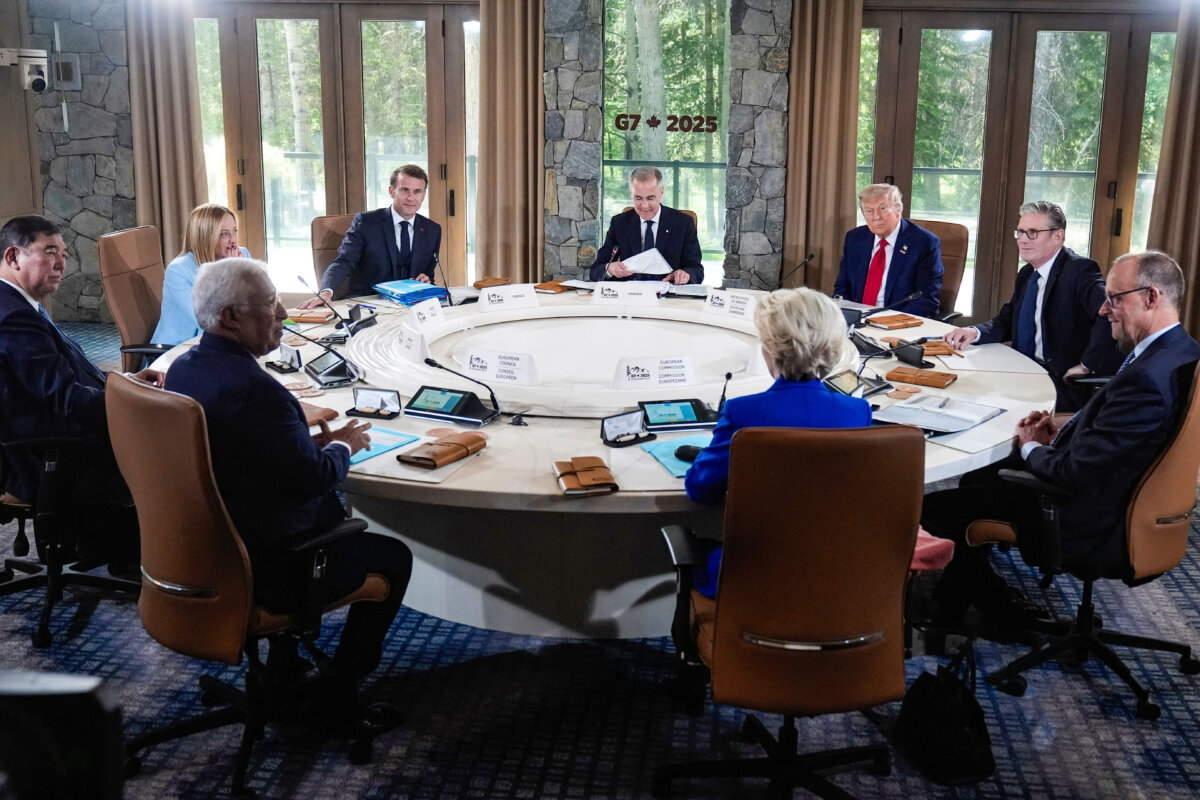
The move came after negotiations between Bessent and the G7 countries, where it was agreed that the OECD’s proposed minimum global tax rate would not apply to U.S. companies
“OECD pillar two taxes will not apply to U.S. companies, and we will work cooperatively to implement this agreement across the OECD-G20 Inclusive Framework in [the] coming weeks and months,” Bessent said in a social media post.
“This understanding with our G7 partners provides greater certainty and stability for the global economy and will enhance growth and investment in the United States and beyond.
“By reversing the Biden Administration’s unwise commitments, we are now protecting our nation’s authority to enact tax policies that serve the interests of American businesses and workers.”
After months of productive dialogue with other countries on the OECD Global Tax Deal, we will announce a joint understanding among G7 countries that defends American interests. President Trump paved the way for this historic achievement. On January 20, the President issued two…
— Treasury Secretary Scott Bessent (@SecScottBessent) June 26, 2025
OECD pillar two (pdf) is an initiative introduced in 2021 to combat aggressive international tax avoidance by imposing a global minimum tax rate of 15 percent for large multinational enterprises with an annual consolidated revenue of €750 million or more in each jurisdiction they operate.
This aims to discourage companies from shifting their profits to countries with lower corporate tax rates.
While nearly 140 countries have agreed to enact the OECD’s two-pillar, it has not been implemented by the United States due to different views in Congress.
In January 2025, U.S. President Donald Trump signed an order withdrawing the United States from the agreement.
What is Section 899?
Section 899 was designed to counter “unfair foreign taxes” on U.S. companies, typically the Big Tech firms like Google and Meta.
How it works is U.S. authorities would levy higher taxes on revenue overseas companies make in the United States.
Under the lower house version of Section 899, a levy is applied and increased incrementally until it reaches a cap of 20 percent.
For example, if a foreign company has to pay an annual tax rate of 30 percent on FDAP (fixed or determinable annual or periodical) income, the rate would increase by 5 percent each year to a maximum of 50 percent.
The upper house version of Section 899 limits the cap to a maximum of 15 percent.
Australian companies or investment in the United States would have come under the microscope due to its treatment of U.S. tech giants.
In March, tech giants such as Meta, Google, and X, filed a formal complaint to the U.S. government about the News Media Bargaining Code, which forces tech giants to pay news outlets for content.
Response from the Australian Government
Following Bessent’s announcement, Australian Prime Minister Anthony Albanese said his government had talked with the Trump administration about the impact of Section 899.
“We raised this issue with Secretary Bessent when I met with him in Canada on the sidelines of the G7,” he told reporters.
“This would adversely impact Australian investment if it had been implemented, particularly on investment from superannuation companies.
“And one of the things that we held earlier this year in Washington, DC, was a roundtable of Australian investment funds who are willing and keen to invest in the United States—just one way in which the Australia-U.S. economic relationship is an important one.”
Meanwhile, the Association of Superannuation Funds of Australia (ASFA) welcomed the removal of Section 899.
“This section of the legislation would have changed the risk-return profile of investment in the U.S., which would have been a poor outcome for all involved,” ASFA Chief Policy and Advocacy Officer James Koval said.
“The superannuation sector has around US$450 billion invested in the United States, the single largest market outside of Australia. This is money invested in U.S. infrastructure, equities, bonds, and other areas.”
 Friends Read Free
Copy
Facebook
Tweet
Friends Read Free
Copy
Facebook
Tweet