
U.S. military forces have redirected 108 commercial vessels from entering or exiting Iranian ports as of Tuesday to ensure compliance with the United States’ ongoing maritime blockade of Iran, U.S. Central Command said in a May 26 post on X.
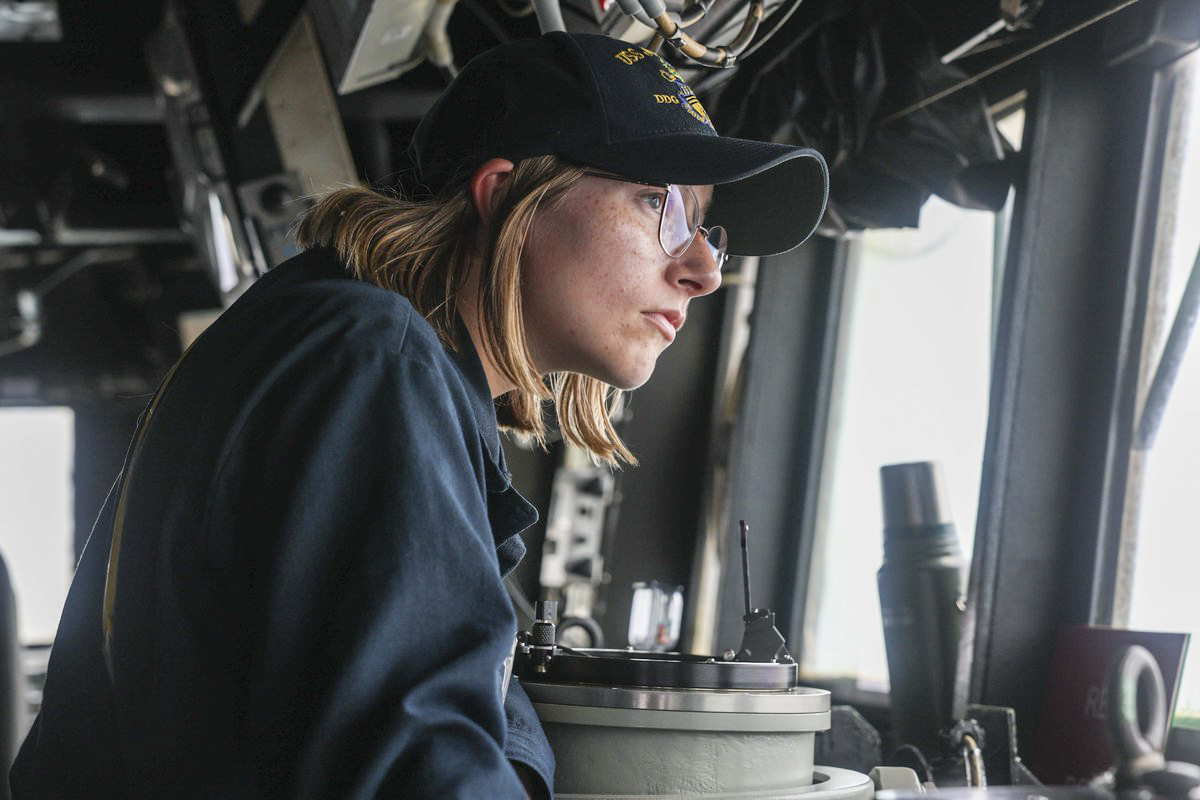
Central Command posted a picture of a U.S. sailor standing watch in the pilothouse aboard USS John Finn as the guided-missile destroyer transited the Arabian Sea. The U.S. blockade targets “vessels of all nations entering or departing Iranian ports and coastal areas, including all Iranian ports on the Arabian Gulf and Gulf of Oman,” according to the U.S. military. It came into effect on April 13 following a proclamation by U.S. President Donald Trump.
According to a May 23 post on X by Central Command, over 15,000 troops, more than 200 aircraft, and 20-plus warships have been deployed as part of the mission. The United States has deployed aircraft carriers, dock landing ships, amphibious assault ships, guided-missile destroyers, and land and sea-based fighter aircraft.
In a May 23 statement, Central Command’s commander, Adm. Brad Cooper, said that their service members have been “highly effective” during the blockade, “executing the mission with precision and professionalism, allowing zero trade into and out of Iranian ports, which has squeezed Iran economically.”
U.S. ships taking part in the blockade include the George H.W. Bush Carrier Strike Group, Abraham Lincoln Carrier Strike Group, and Tripoli Amphibious Ready Group/31st Marine Expeditionary Unit.
Both the United States and Iran are currently working on a deal that could end the war.
Trump said in a May 23 Truth Social post that the two nations have nearly reached a “Memorandum of Understanding pertaining to PEACE.”
Trump has said that Iran won’t be allowed a pathway to nuclear weapons. In a May 25 post on Truth Social, the president suggested multiple options to deal with Tehran’s enriched uranium stockpile.
“The Enriched Uranium (Nuclear Dust!) will either be immediately turned over to the United States to be brought home and destroyed or, preferably, in conjunction and coordination with the Islamic Republic of Iran, destroyed in place or, at another acceptable location, with the Atomic Energy Commission, or its equivalent, being witness to this process and event,” Trump wrote.
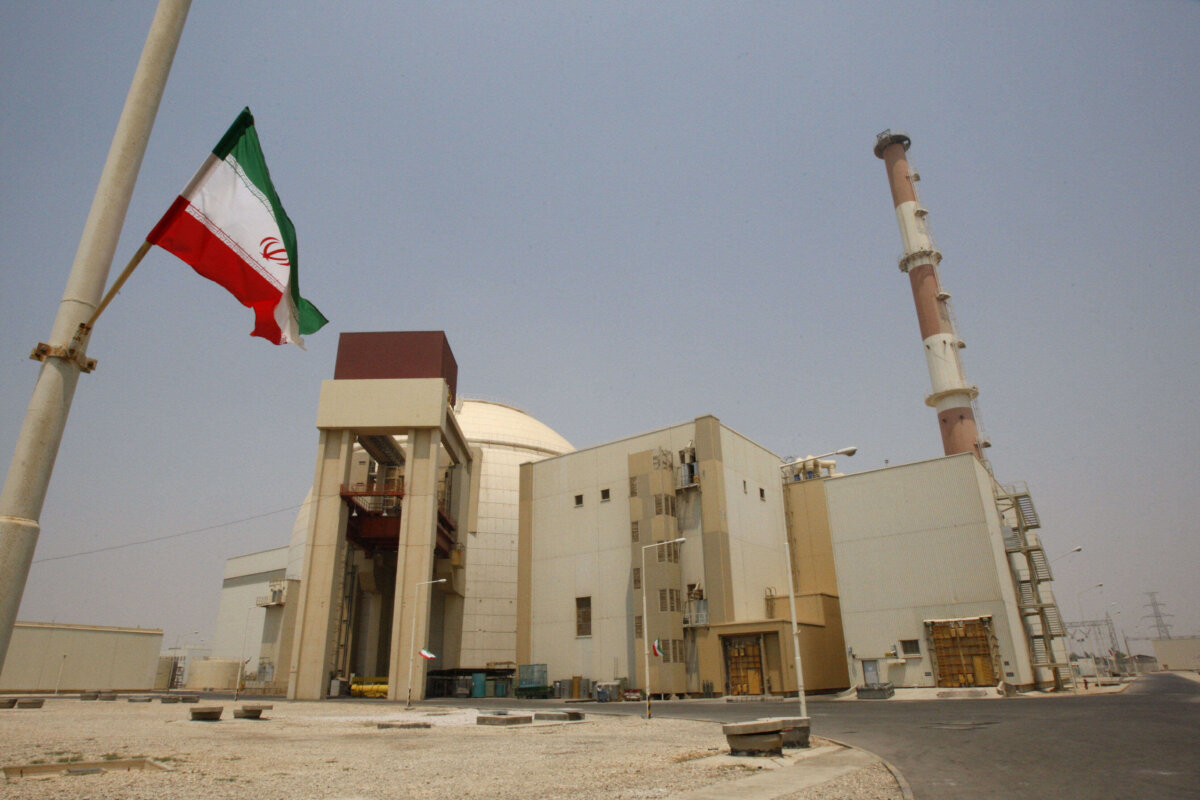
U.S. Secretary of State Marco Rubio told reporters on May 26 that negotiations over a draft agreement were advancing, while cautioning that the final language could take many more days to complete.
“Look, I think our position is well-stated,” Rubio said, adding that disagreements remained over specific details and wordings.
“There’s going to be a deal, we’re going to have to work through that, but this is either going to be a good deal or there isn’t going to be one.”
While negotiations are ongoing, the Iranian military said on May 26 that it had downed a U.S. military drone over the Persian Gulf. A day earlier, on May 25, a Central Command spokesperson told media outlets that U.S. forces carried out self-defense attacks in southern Iran to protect troops from Iranian threats.
Central Command said on May 26 that reports of the U.S. Navy restarting escorting commercial vessels through the Strait of Hormuz shipping passageway were false.
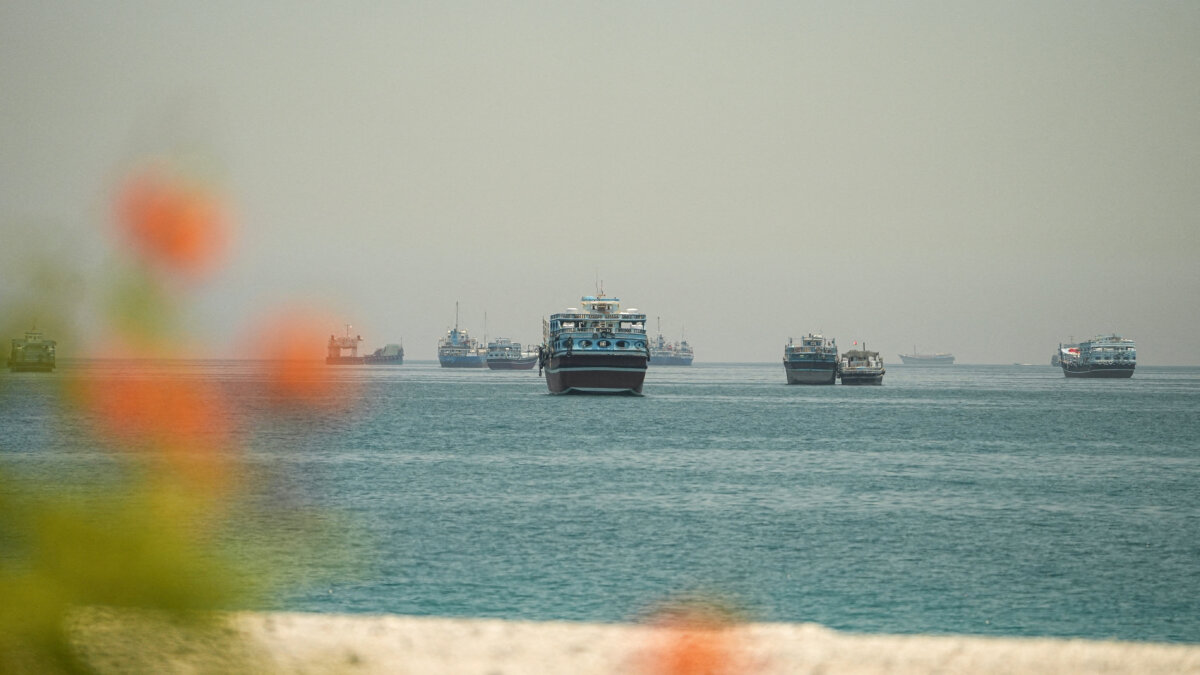
In a May 26 report, the Atlantic Council think tank suggested that the Iranian regime was keen on ending the war.
“It is increasingly clear that Iran’s leaders are interested in securing a ceasefire and avoiding further escalation. Tehran understands the heavy strategic, economic, and military costs of continued confrontation and appears determined to prevent the conflict from spiraling into a broader regional war,” wrote Danny Citrinowic, a nonresident fellow with the Atlantic Council’s Middle East programs.
“Tehran may be offering assurances about its nuclear program behind closed doors, even as it will not publicly compromise, because of the value it places on sanctions relief.”
War Implications
The ongoing Middle Eastern conflict is threatening global food and energy security.
On Tuesday, Qu Dongyu, the director-general of the U.N. Food and Agriculture Organization, warned at an event in Rome that the world could face a serious food crisis in the coming years if the war was not addressed as soon as possible, according to a May 26 statement from the organization.
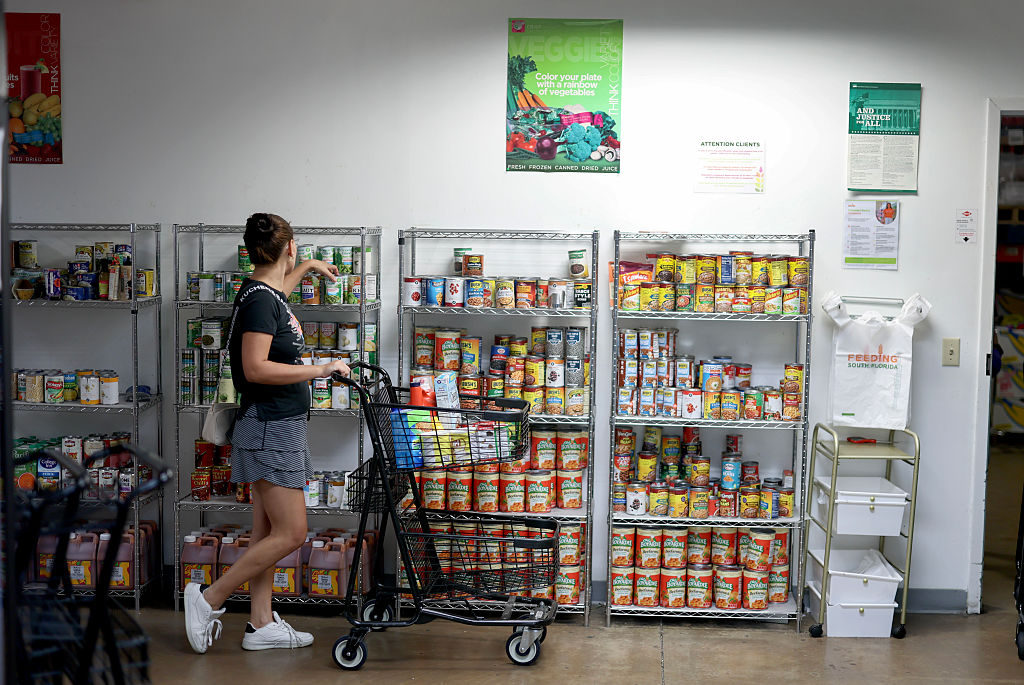
“What we are witnessing today is not only a geopolitical crisis, it is a systemic shock to the global agrifood system,” Qu said. “The decisions we make now will determine whether this remains a manageable shock, or evolves into a deeper global food security crisis in 2026 and 2027, and beyond.”
The biggest shocks from the geopolitical crisis may not be immediate and will only emerge several months from now when farmers start harvesting less after being forced to plant fewer crops, use a lower amount of fertilizers, or are unable to afford production, the organization said.
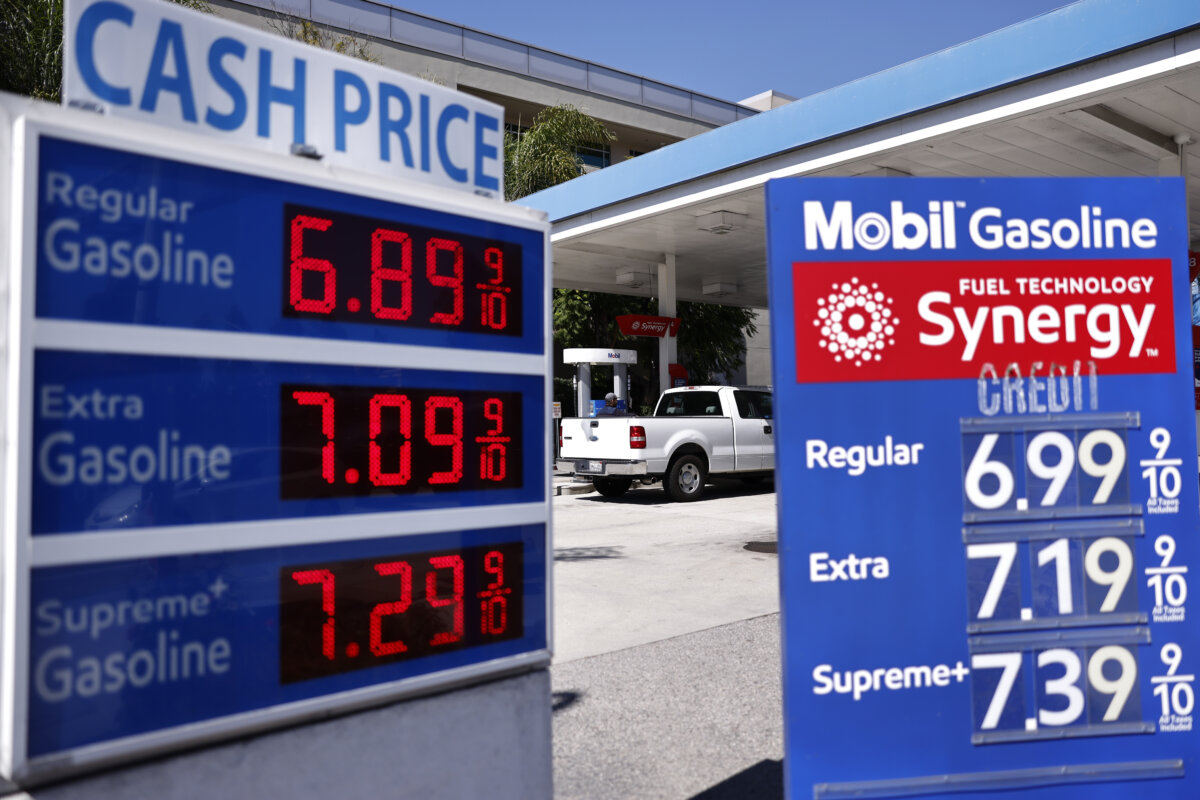
Oil prices continue to remain elevated. On Feb. 27, a day before the war broke out, Brent crude oil futures closed at around $72 per barrel. On Wednesday, oil was trading at $93.87 as of 6:50 a.m. ET.
According to data from the American Automobile Association, the national average price of regular gasoline was $4.45 per gallon on May 27, up from $4.11 a month back, and $3.17 a year back.
Internationally, the Middle East conflict has turned out to be a “global energy crisis of unprecedented magnitude,” the International Energy Agency (IEA) said in a May 13 report.
“Previous energy crises affected economies and societies in profound ways, often forcing households to ration fuel for their cars and heating for their homes. The 2026 crisis is being felt across the globe – and households in emerging and developing economies are now facing a particularly severe challenge: whether there is enough fuel simply to cook a meal, and whether they can still afford it.”
 Friends Read Free
Copy
Facebook
Tweet
Friends Read Free
Copy
Facebook
Tweet