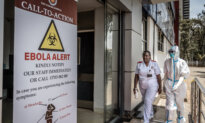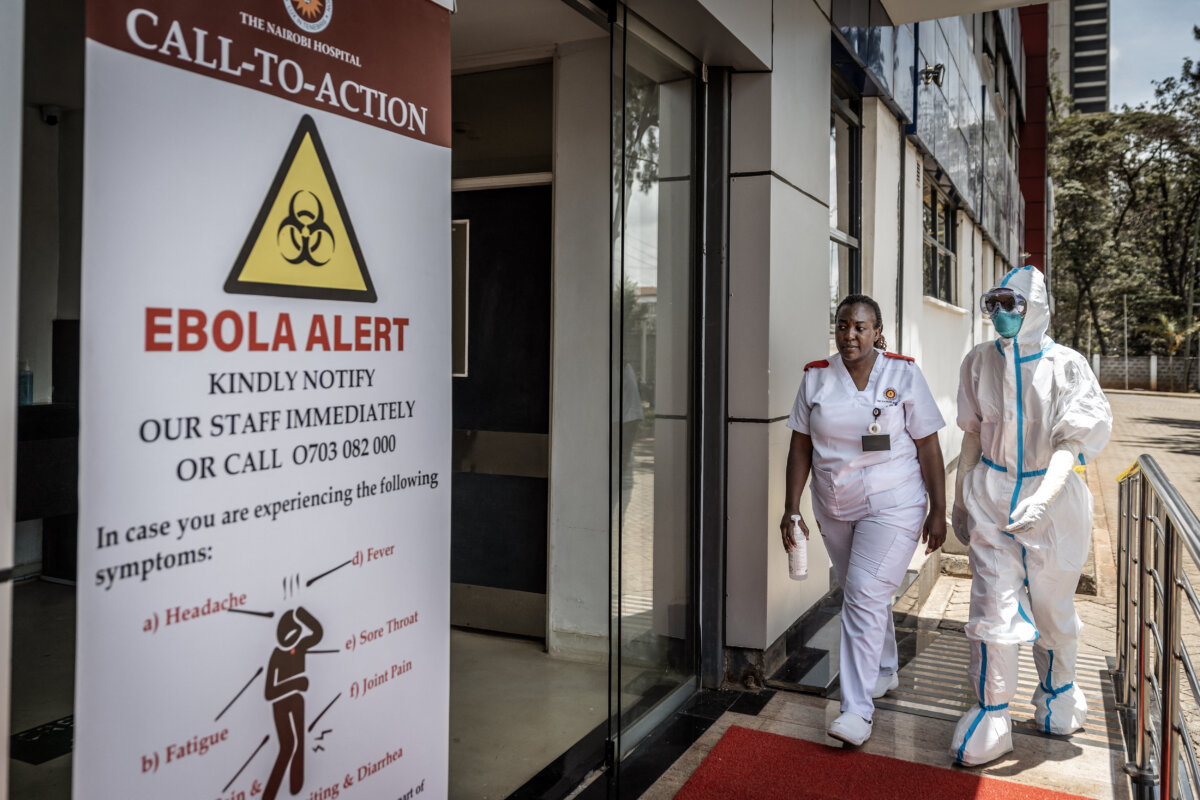

The U.S. Embassy in Nairobi said that it has raised its travel advisory for Kenya from Level 2 to Level 3, citing health risks amid an Ebola outbreak in the African region.
Under the Level 3 advisory released on Oct. 19, Americans are urged to reconsider travel to Kenya. The embassy also cited other risks, including crime, kidnapping, terrorism, unrest, and traffic safety.
The embassy said in its advisory that medical services in Kenya are limited, especially in rural areas where healthcare facilities are often unavailable. It also noted that Kenyan medical facilities may require upfront payment before providing treatment to patients.
“Medical facilities in Kenya often lack sufficient medicine and equipment. Except for a few private medical facilities based in the large urban centers with enhanced capability, many health issues may require medical evacuation at your own expense,” the advisory reads.
The advisory also said that some schools, substance abuse centers, and other rehabilitation facilities in Kenya operate without adequate government supervision.
“Physical and emotional abuse is common in these places. Residents, including Americans, have been held in these facilities against their will,” it stated, warning that Americans who forcibly place others into such facilities could face legal repercussions in the United States.
It also warned that violent crimes could occur at any time in the African nation and that local police may be unable to respond effectively. Such crimes include armed carjacking, mugging, home invasions, and sexual assaults.
The updated advisory came after Kenya’s Ministry of Health confirmed another Ebola case on Sunday, bringing the total number of cases to eight.
Officials said the cases are believed to be linked to the first patient, who lived in Congo and recently traveled to Kenya. The first patient died, while others have so far survived.
Congo’s government said in an update that the Ebola outbreak has spread to eight provinces as of Oct. 17, with confirmed cases reaching 9,455, including 4,561 deaths. The outbreak is caused by the rare Bundibugyo strain in Congo, for which no approved vaccine or treatment exists.
The outbreak previously spread to Uganda, which borders Congo. Officials there in July declared the country Ebola-free after discharging the last patient, and no cases have been confirmed since.
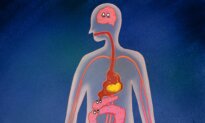
Ebola is caused by infection with an orthoebolavirus and spreads through contact with the blood or bodily fluids of infected people, according to the World Health Organization (WHO). The Bundibugyo strain previously caused outbreaks in Uganda in 2007 and in Congo in 2012.
Ituri Province in eastern Congo remains the disease’s epicenter, accounting for almost three-quarters of confirmed cases, according to the government’s most recent data, which shows 66 health zones have been affected since the start of the outbreak.
Congo’s state news agency ACP reported on Oct. 18 that authorities in North Kivu Province would introduce a one-week ban, starting Oct. 19, on people entering the province from Ituri in an effort to slow the spread of the virus.
Zachary Stieber and The Associated Press contributed to this report.
 Friends Read Free
Copy
Facebook
Tweet