
The United States has asked Australia for its backing in a trade battle with Beijing over the control of the global critical minerals supply.
Last week, China’s Ministry of Commerce announced it would no longer allow the export of rare earth materials for use by foreign militaries, in a move designed to give the Chinese Communist Party (CCP) leader Xi Jinping leverage ahead of an expected meeting with President Donald Trump.
Foreign companies will now need to obtain an export licence if rare earths processed in China make up as little as 0.1 percent of the value of their products.
Rare earth magnets are crucial components in U.S. weapons such as the F-35 warplane, Virginia and Columbia class submarines, Predator drones, Tomahawk missiles, radar systems, and the Joint Direct Attack Munition series of smart bombs.
According to the International Energy Agency (pdf), Beijing currently controls about 60 percent of global rare earth mining and more than 90 percent of refining.
The U.S. Geological Survey says America is dependent on China for around 70 percent of its rare earth imports.
U.S. Treasury Secretary Scott Bessent said the fight over metals like lithium, cobalt, and copper was a case of “China versus the world.”
“We’re going to be speaking with our European allies, with Australia, with Canada, with India and the Asian democracies,” he told an event hosted by U.S. broadcaster CNBC.
“We’re going to have a fulsome group response to this because bureaucrats in China cannot manage the supply chain or the manufacturing process for the rest of the world.”
‘Power Grab’: US Trade Representative
The Office of the United States Trade Representative posted on X that the move was “a repudiation of the U.S.-China agreement reached 6 months ago in Geneva.”
“China’s sweeping action to tighten its grip over rare earth materials is nothing short of a global supply chain power grab,” it said, warning that the Trump administration “will not allow China’s chokehold of rare earths to stand.”
Trump has already threatened to impose 100 percent tariffs on Chinese imports in response.
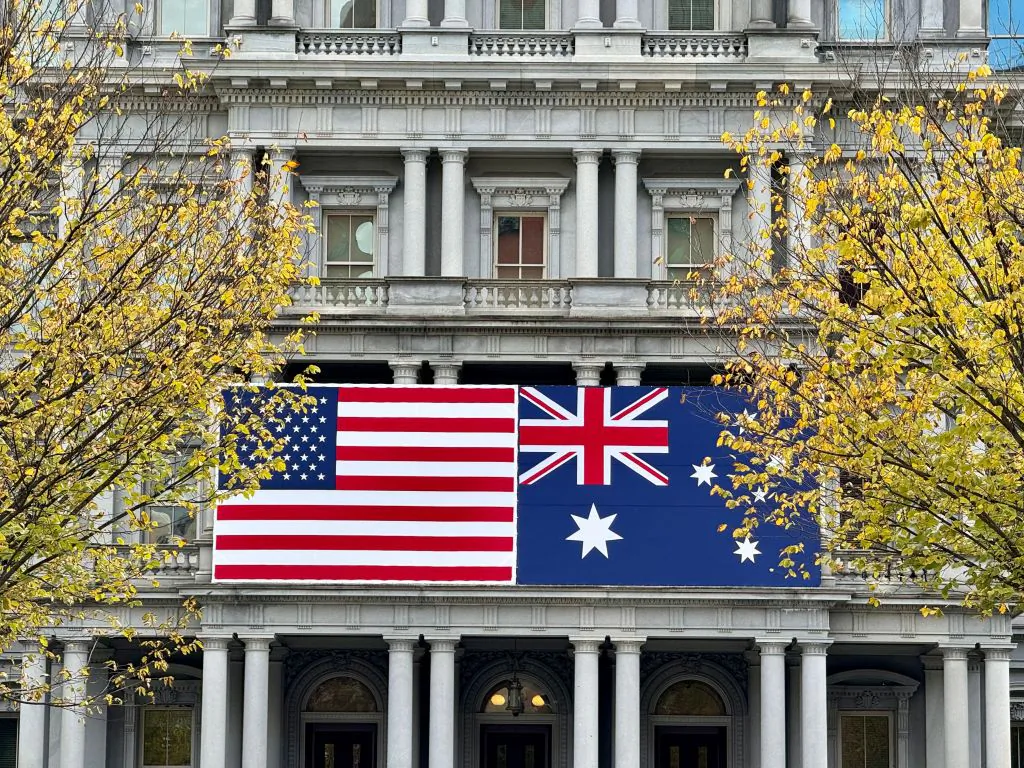
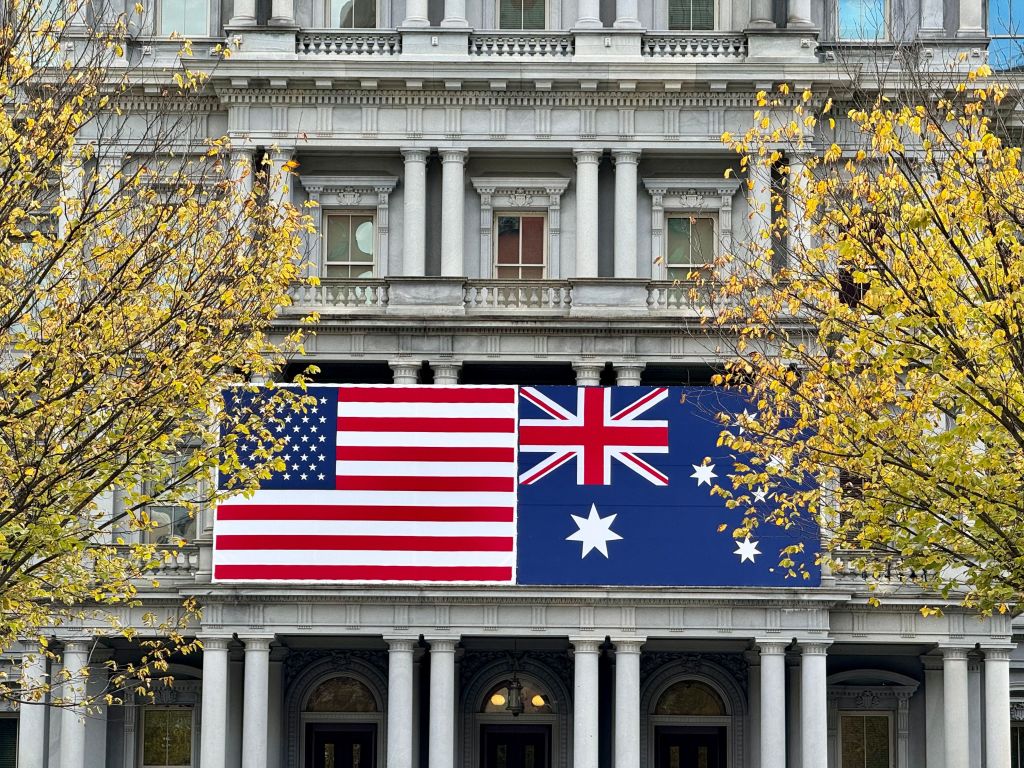
Behind the scenes, the administration is working to break Beijing’s dominance by striking deals with countries like Australia.
Treasurer Jim Chalmers is planning to meet U.S. Economic Council director Kevin Hassett in New York this week, where the issue is likely to be discussed.
Defence Industry Minister Pat Conroy is also in the U.S. ahead of the Prime Minister’s meeting with Trump next week, and said the White House was keen to deepen cooperation.
“Obviously, there’s strong interest in what we’re doing around rare earths and critical minerals,” he said.
There has been considerable speculation Australia could strike a deal on critical minerals with the U.S. during Prime Minister Anthony Albanese’s visit.
AAP contributed to this story.
 Friends Read Free
Copy
Facebook
Tweet
Friends Read Free
Copy
Facebook
Tweet