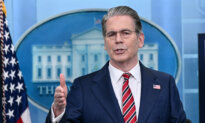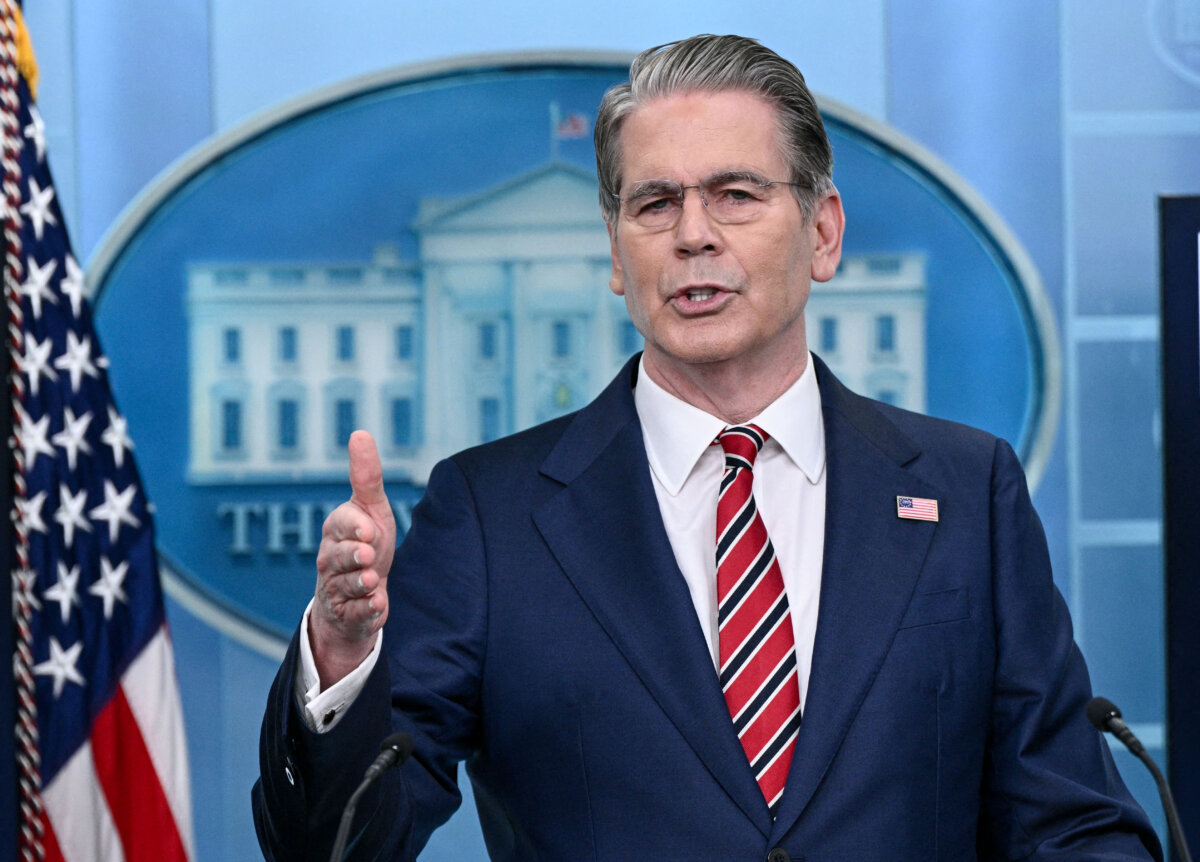

Treasury Secretary Scott Bessent said Monday that doing business with sanctioned Iranian airlines could mean U.S. sanctions, as he called on foreign governments to block support services for those aircraft as commercial flights resume from Tehran.
“Doing business with sanctioned Iranian airlines risks exposure to U.S. sanctions. Foreign governments should take all actions necessary to ensure that companies in their jurisdictions do not provide services to those aircraft, including the provision of jet fuel, catering, landing fees or maintenance,” Bessent said in a post on X.
“Under Economic Fury, the @USTreasury will impose maximum pressure on Iran and will not hesitate to act against any third parties that facilitate or conduct business with Iranian entities.”
The United States maintains a naval blockade targeting Iranian ports and vessels in a bid to undermine the Islamic Republic’s economy. Later in the day, Bessent highlighted the impact on Iran’s oil sector.
“While the surviving IRGC Leaders are trapped like drowning rats in a sewage pipe, Iran’s creaking oil industry is starting to shut in production thanks to the U.S. BLOCKADE. Pumping will soon collapse. GASOLINE SHORTAGES IN IRAN NEXT!” he wrote on X.
The United States’ Operation Economic Fury involves the deployment of financial tools alongside military pressure to isolate Tehran and its partners. U.S. officials have stated they have no tolerance for third-party facilitation of Iranian aviation or energy activities, as some commercial flights begin to resume.
Earlier in April, the Treasury warned that it could impose secondary sanctions on foreign banks suspected of handling Iranian transactions, including two Chinese institutions. Bessent noted the move is part and parcel of increased scrutiny amid the conflict with Iran.
“We have told countries that if you are buying Iranian oil, that if Iranian money is sitting in your banks, we are now willing to apply secondary sanctions,” Bessent said in mid-April.
The Treasury in February sanctioned 30 individuals and entities connected to Iran’s arms and oil industries. Bessent stated that “Iran exploits financial systems to sell illicit oil, launder the proceeds, procure components for its nuclear and conventional weapons programs, and support its terrorist proxies.”
The United States has also implemented other measures to squeeze Iranian networks. They have taken aim at drone components and financial intermediaries in Turkey and elsewhere, as well as sanctions targeting Iran’s oil trade, arms procurement, and support for terrorist groups such as the Houthis.
Bessent indicated in March that the United States was pursuing the seizure of funds held by Iranian defectors abroad, part of a multifaceted financial offensive.
 Friends Read Free
Copy
Facebook
Tweet
Friends Read Free
Copy
Facebook
Tweet