
Prime Minister Anthony Albanese has unveiled a $10 billion (US$7.2 billion) fuel security package to shore up domestic fuel security.
The government is due to deliver its first budget since re-election last year on May 12, 2026.
“The federal budget next week will include an Australian fuel security and resilience package,” Albanese told reporters in Sydney.
“This is aimed at making sure that Australians can have more confidence in protecting our energy sovereignty, not just during this crisis, but going forward as well, protecting our nation’s energy interests.”
Why Is it Being Introduced?
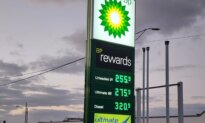
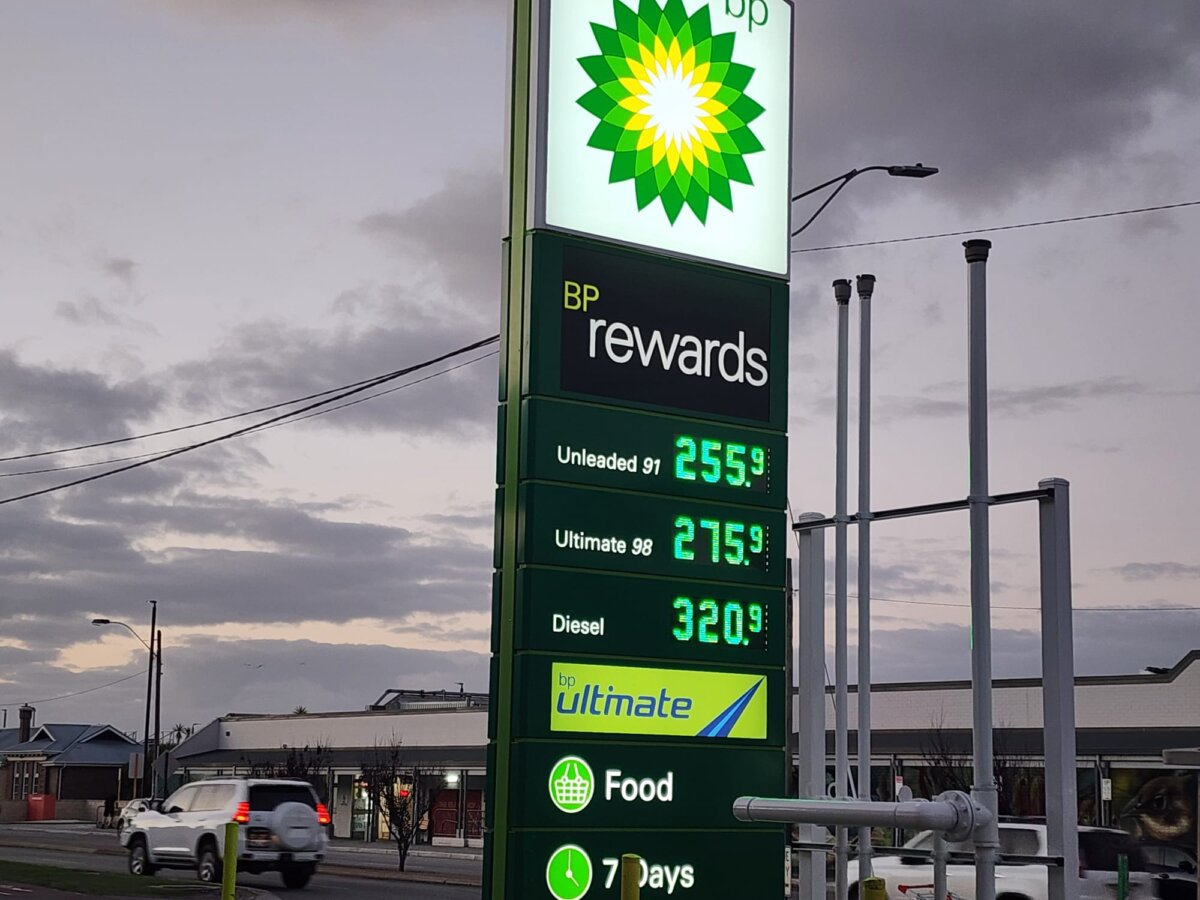
The announcement comes as Australians and businesses grapple with sky-high fuel prices amid the Iran War.
Decades of globalisation have led to the aggressive offshoring of Australian fuel refining and storage capacity to cheaper Asian alternatives, who in turn, largely rely on Middle Eastern suppliers for raw crude.
In 2000, Australia had eight refineries that came close to providing all the country’s petrol, diesel, and jet fuel, now that has been reduced to two refineries, the Ampol Lytton refinery in Brisbane, and the Viva Energy refinery in Geelong.
A Government Owned Fuel Security Reserve
Under the Labor government’s new plan, a “permanent government-owned” Australian Fuel Security Reserve of 1 billion litres will be established at a cost of $3.2 billion.
This will sit alongside the government’s increased Minimum Stockholding Obligation that forces major fuel importers and refiners to hold a higher volume of fuel on Australian soil.
“This will support an overall expansion of Australia’s onshore fuel reserves to ensure at least 50 days of fuel supply and storage of diesel and aviation fuel,” Albanese said.
Yet this still falls short of the International Energy Agency’s (IEA) 90-day requirement, which Australia has fallen short of achieving since 2012.
Climate Change and Energy Minister Chris Bowen said Australia’s current fuel security relied heavily on private companies to maintain stock levels.
“Australia is actually in a minority of countries in the International Energy Agency who don’t have a government-owned fuel reserve,” he told reporters.
$7.5 Billion to Secure Fuel, Fertiliser Stock
The package also includes a $7.5 billion facility to secure new fuel and fertiliser via loans, equity guarantees, insurance, and price support through Export Finance Australia.
Albanese said the facility had already helped secure additional cargoes of diesel and jet fuel. It also includes $34.7 million over four years to manage the increased stockholding obligation on importers and refiners.
Albanese added that $10 million would support feasibility studies into new or expanded refining capabilities, to be co-funded with state and territory governments.
New Oil Refinery Could be on the Cards
The government also says it will consider backing Queensland’s new local oil refining and extraction projects.
“We know there’s at least one of a serious proposal that will receive the support of a state government and federal government to examine the possibility of additional refining capability going forward as well,” Albanese said.
He clarified that any proposals would be jointly funded between federal and state and territory governments.
“We want to make sure that there’s buy-in,” Albanese said.
The Queensland Crisafulli government has made early moves to begin extraction from the “Singapore-sized” Taroom Trough in the state’s west, backed a private bid to build an oil refinery in Gladstone, and opened up six locations for privately-backed storage and refining projects.
Opposition Calls for 60 Day Reserve
Opposition Leader Angus Taylor said the government’s plan did not go far enough. He called for fuel reserves to be increased to 60 days towards the IEA’s 90-day standard.
“We need more fuel stocks, I’ve said that very plainly … the government needs to get on with it,” he told reporters on May 6.
The federal opposition has pledged to double the fuel reserves to 60 days in late April.
 Friends Read Free
Copy
Facebook
Tweet
Friends Read Free
Copy
Facebook
Tweet