
The World Health Organization (WHO) on July 2 declared the hantavirus outbreak linked to a cruise ship over after the last identified contact of an exposed person finished the quarantine period and tested negative for the virus.
WHO Director-General Tedros Adhanom Ghebreyesus announced the outbreak was over during a press conference at the organization’s headquarters in Geneva.
“No further cases have been reported since the 25th of May. We are therefore very pleased to say that WHO considers the outbreak over,” Tedros said.
“The total number of cases from the outbreak remains 13, including 3 deaths. More than 650 contacts were identified and followed up by health authorities in 33 countries and territories. Although the outbreak is over, WHO will continue working with governments and partners to advance our understanding of this outbreak and of hantavirus more generally.”
Tedros added that the WHO was also “coordinating a study involving 21 countries to understand how the disease develops, which will support the development of diagnostics, therapeutics, and vaccines for future outbreaks.”
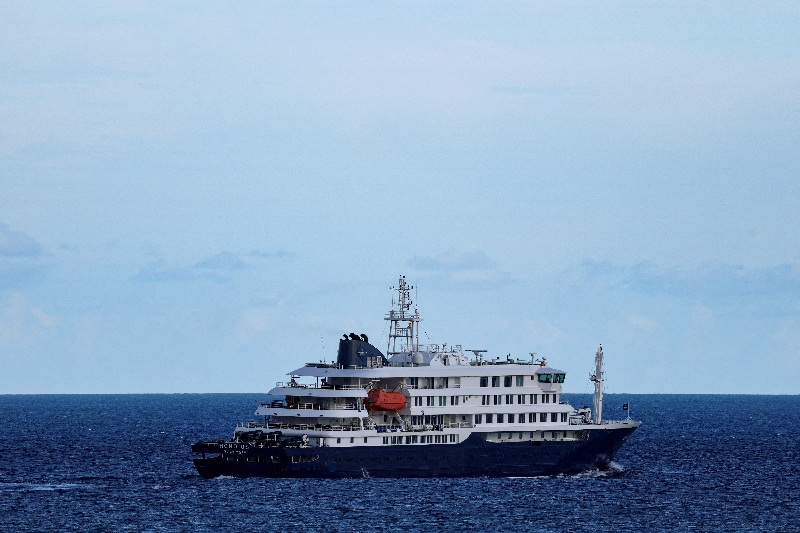
The outbreak involved the Andes virus, a rare hantavirus strain typically found in Argentina and Chile, and first appeared among passengers aboard the MV Hondius, a Dutch-flagged cruise ship operated by the Netherlands-based tourism company Oceanwide Expeditions.
Hantaviruses are a family of viruses that usually spread to people through contact with droppings, urine, or saliva from infected rodents, such as rats. Symptoms can include fatigue, fever, nausea, and shortness of breath. People infected with hantavirus can sometimes experience severe kidney injury, and cases sometimes end in death.
Sequencing from the outbreak on the MV Hondius identified a virus highly similar to sequenced strains previously identified in Argentina, from which the ship departed to remote areas such as Antarctica, researchers said in May in a research letter published by the New England Journal of Medicine.
“An initial zoonotic introduction before the departure of the ship from Argentina on April 1 is likely, because symptoms developed in Patient 1 on April 3, and he had a 3-month travel history to regions with known enzootic circulation” of Andes virus, the hantavirus identified on the ship, they wrote.
The WHO’s declaration of the end of the outbreak comes just over a week after the U.S. Centers for Disease Control and Prevention announced on June 23 that it was winding down its own response to the hantavirus outbreak.
Some Americans who had been on the ship were allowed to quarantine at home, while others were flown to a quarantine facility in Nebraska for monitoring. Two among the latter group were forced to remain there for 42 days, while six others remained there voluntarily. The monitoring period for those eight ended on June 21.
One American tested positive on a polymerase chain reaction test. Another showed symptoms but never tested positive.
“Protecting the health and safety of the American people is our highest responsibility,” Health Secretary Robert F. Kennedy Jr. said in a June 23 statement confirming the wind-down.
“[The Department of Health and Human Services] moved swiftly to identify potential exposures, support state and local health officials, and prepare our healthcare system to respond. As a result, no sustained transmission of hantavirus occurred in the United States, and the monitoring period has concluded with no individuals remaining under observation.”
Acting CDC Director Dr. Jay Bhattacharya said: “The successful conclusion of this response demonstrates the strength of a coordinated response to infectious disease threats that occur outside of our borders. I am grateful for the world-class team at CDC whose dedication and swift action helped identify potential exposures, provide clear guidance, and protect the American people. As a result, we prevented any new cases from arising in the U.S.”
Zachary Stieber contributed to this report.
 Friends Read Free
Copy
Facebook
Tweet
Friends Read Free
Copy
Facebook
Tweet