
The world has seen a sharp spike in diesel prices in recent months, driving up transportation costs and prompting various interventions by leaders across the globe.
As diesel set a series of record highs, nations have responded by suspending some gas taxes, raising interest rates to curb rising prices, and issuing new rules and regulations to control diesel flows.
Here’s what to know about how the diesel crisis came about and where it’s going.
Ongoing Diesel Crisis
Armed conflicts have tightened supply for crude oil, leading to price increases for both diesel and regular gasoline.
The average pump price for a gallon of regular gasoline was $4.36 a gallon as of Oct. 7, according to the American Automobile Association, or AAA. Diesel was much higher, at around $6.30 a gallon, reaching a record high of $6.52 at the end of last month.
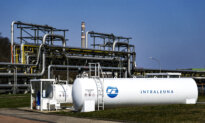
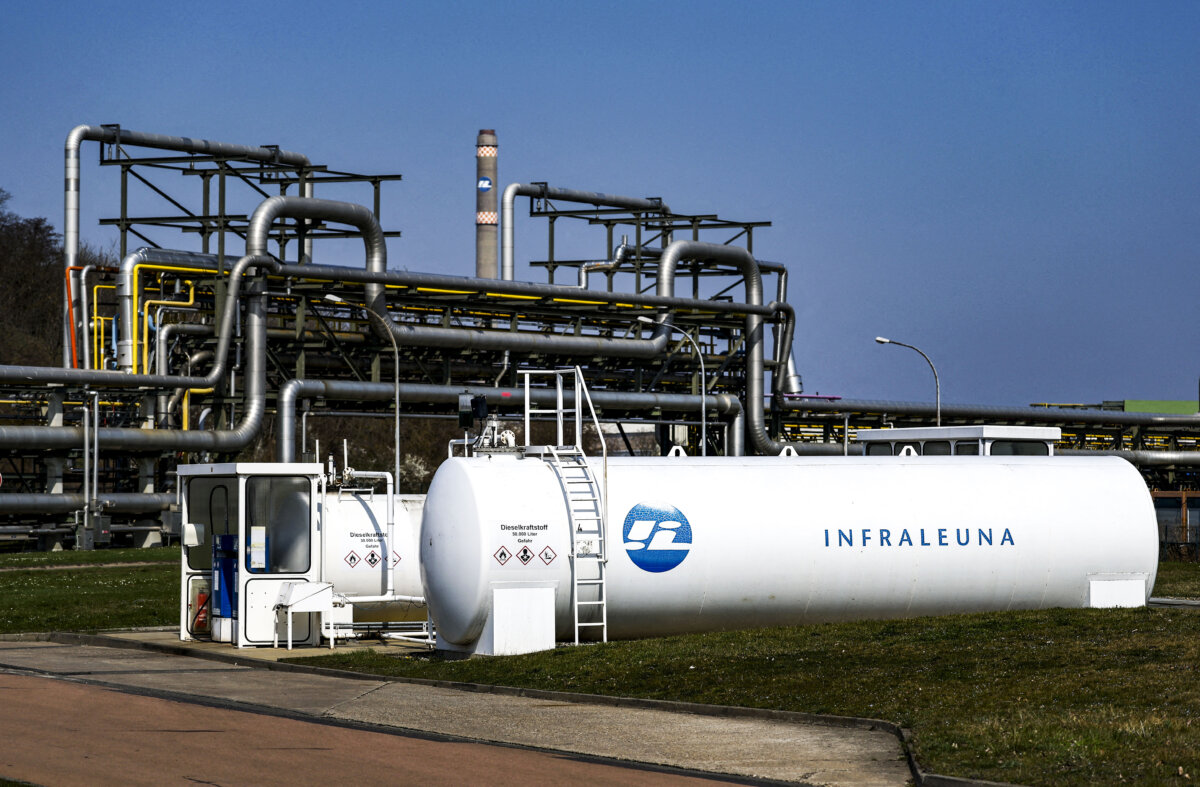
Diesel is burned by vehicles with compression-ignition engines. These vehicles include freight and delivery trucks, trains, buses, boats; farm, construction, and military vehicles; and some cars and light trucks, according to the U.S. Energy Information Administration. Some electricity generation also comes from diesel.
In general, most big vehicles that move things are powered by diesel. That’s why increases in diesel prices translate into higher prices for goods delivered to homes, warehouses, or store shelves.
The hostilities with Iran, which began at the end of February, have slowed shipping through the Strait of Hormuz, the point through which about 25 percent of the seaborne oil trade used to flow, according to the International Energy Agency (IEA), a watchdog organization.
Shortly after the conflict started in March, diesel prices saw their biggest one-week jump on record.
Iran retaliated against U.S. and Israeli attacks by targeting ships sailing through the strait. This cut traffic by more than 90 percent at one point and is still slowing shipments, keeping volume at roughly half of its historic levels.
Russian crude oil naturally produces a high-diesel mix when refined, which has made the country a significant exporter of diesel. Ukraine attacked Russian oil processing facilities as part of the long-running war between the two nations, leading Russia to lose roughly half of its diesel refining capacity, along with diminished capacity to refine regular gas and jet fuel. It responded by hoarding its remaining diesel, with a near-total ban on diesel exports beginning in July.
That meant Russia’s usual customers had to buy their diesel elsewhere. One of the countries with excess capacity was the United States.
Americans experienced this as a domestic price spike, though the spike was felt worldwide. This also led to calls for a U.S. diesel export ban.
How the G7 Is Responding
Leaders of several nations worried about the economic disruption it would cause to the worldwide economy, which was already straining to deal with the Hormuz slowdown.
War- and fuel-related disruptions this year have caused the International Monetary Fund to revise its annual growth estimate for the world economy down from 3.5 percent in February to 3 percent today.
In response to the crisis, the G7—a club of nations that includes the United States, Canada, the UK, France, Italy, Germany and Japan—said they would release strategic reserves of oil and diesel. Europeans took the lead in jointly announcing the release of about 100 million barrels of fuel from a few countries’ strategic reserves on Oct. 2. According to the IEA, world oil demand is about 102 million barrels per day.
Not all of the released fuel is expected to be diesel, but there will be a “frontloaded substantial diesel release within the first 20 days,” the G7 said in an Oct. 2 statement, using European Commission letterhead.
The group of nations said that they were doing this coordinated release, from mostly European reserves, to “stabilise immediate energy supplies, shield households and businesses from price shocks, and strengthen the long-term resilience of global energy systems.”
The countries also affirmed their shared pledge to “refrain from export restrictions on energy and energy products” among themselves and called on “all producers to refrain from imposing bans that could exacerbate market tensions.”
The G7 countries promised to “coordinate maintenance schedules” for refineries to ensure that refining capacity isn’t reduced significantly below current low levels.
They would also coax some refineries to “temporarily increase utilization rates where feasible,” and encourage those countries with existing but currently unused “refining capacities to boost global production of refined products, particularly diesel.”
Trump Administration Response
After the G7 announcement, U.S. President Donald Trump backed away from his previously stated interest in banning diesel exports from his country.
“We’re not going to be doing the export ban,” he said in a press conference outside of the White House.
The American president publicly entertained the idea of a total or partial diesel export ban at a joint press conference with Ukrainian President Volodymyr Zelenskyy at the U.N. headquarters on Sept. 22.
Trump also indicated that he had been interested in a ban in internal White House discussions. “I’ve said, ‘let’s not send out the diesel,’” he said.
A few officials in the Trump administration publicly spoke out against an export ban, before and after Trump tentatively weighed in.
“I’m not at all confident that that would actually lower the price,” Interior Secretary Doug Burgum said on television on Sept. 16.
The day after Trump initially announced openness to restricting the flow of diesel, Energy Secretary Chris Wright wrote off the possibility of a blanket export ban, even for a limited time, saying, “that won’t happen.”
Wright downplayed the possibility of a ban after he had helped negotiate a multi-nation fuel disbursal earlier in the year.
The Trump administration authorized the release of 172 million barrels of oil from the United States’ Strategic Petroleum Reserve in March. This was announced in concert with other nations, which are drawing on their own reserves for a total commitment of about 400 million barrels of oil, to be monitored by the IEA.
Not all of that fuel was released, but more than 300 million barrels were put in circulation. The recent announcement is being treated as several European nations honoring that original IEA commitment, with a new emphasis on diesel.
Markets responded to the March announcement with brief dips in gas prices, though the longer-term effects are still being studied and debated.
Diesel peaked at an average pump price of $6.52 a gallon on Sept. 22, the same day Trump first floated the export ban idea, according to AAA. It fell to $6.31 on Oct. 6, for a drop of 21 cents per gallon over two weeks.
 Friends Read Free
Copy
Facebook
Tweet
Friends Read Free
Copy
Facebook
Tweet