
World leaders on April 8 broadly welcomed a cease-fire between the United States and Israel on one side and Iran on the other, describing it as a step back from the brink after nearly 40 days of conflict, while urging sustained diplomacy to turn the fragile truce into a lasting settlement.
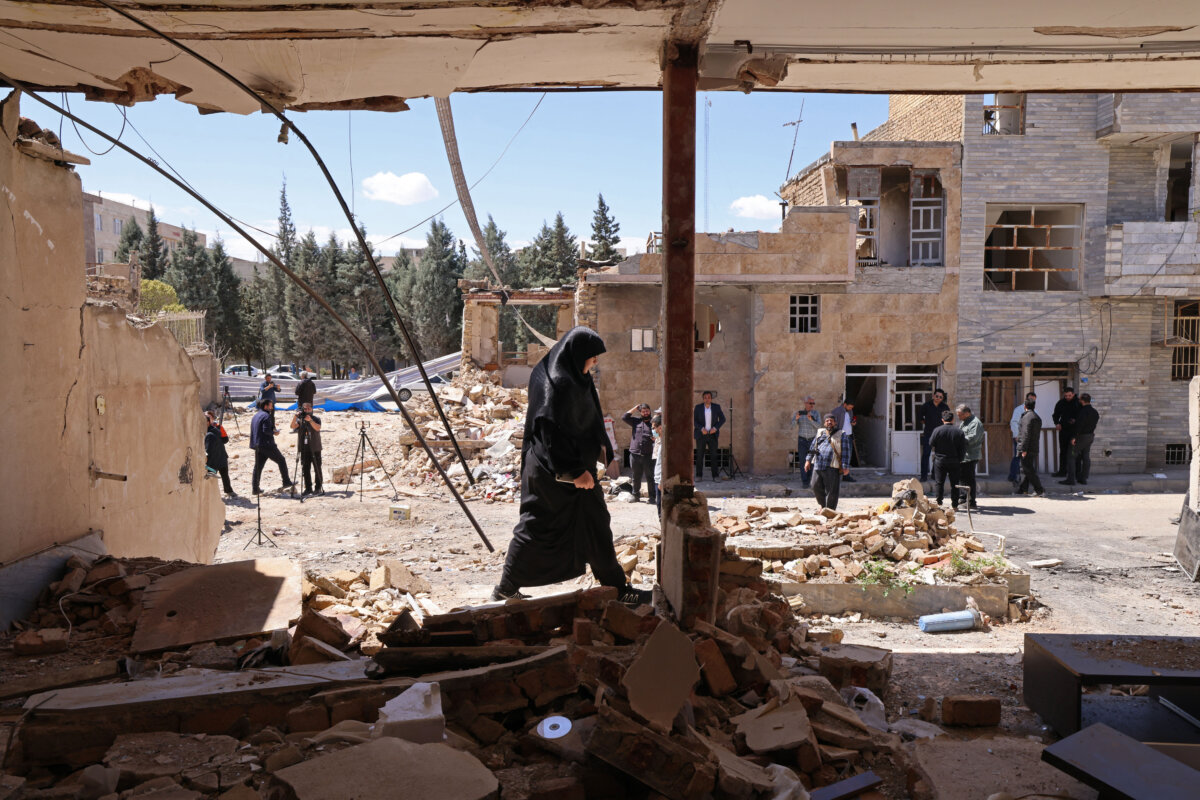
The two-week cease-fire, announced late Tuesday following mediation led by Pakistan and backed by regional actors, pauses a cycle of escalating strikes that had threatened to spiral into a wider regional war and disrupt global energy flows through the Strait of Hormuz.
Under the terms of the cease-fire, announced by U.S. President Donald Trump, Iran will reopen the Strait of Hormuz, a key oil shipping waterway that Tehran has been effectively blocking in retaliation for U.S.–Israeli strikes. Trump’s announcement of the truce sent elevated crude prices crashing below $100.
French President Emmanuel Macron said during an April 8 meeting of France’s Defense Council that the cease-fire should pave the way for negotiations addressing Iran’s nuclear and ballistic programs as well as broader regional tensions.
“It is indeed through negotiation that we can provide the necessary security guarantees for stability throughout the entire region,” Macron said, adding that early signs suggested the truce was being respected.
Macron said it is France’s wish to ensure “that the ceasefire fully includes Lebanon” and “that the coordination mechanism, which has existed for several months and includes the United States and France, is fully reactivated,” he added.
German Chancellor Friedrich Merz welcomed the agreement and thanked Pakistan for its mediation, saying in a post on X that the priority now is negotiating a “lasting end to the war.”
European Commission President Ursula von der Leyen said in a post on social media that the cease-fire brings “much-needed de-escalation,” while European Council President António Costa urged all parties to uphold the terms of the cease-fire to achieve sustainable peace.
Kaja Kallas, the European Union’s foreign policy chief, described the agreement in a post on X as “a step back from the brink,” adding that it creates space to “stop missiles, restart shipping, and create space for diplomacy towards a lasting agreement.”

British Prime Minister Keir Starmer gave his backing to the cease-fire. In a post on X, he called for further efforts to “turn it into a lasting agreement and re-open the Strait of Hormuz.”
In the Asia-Pacific, governments also backed the cease-fire. Indonesia’s Ministry of Foreign Affairs said the country supports “constructive diplomatic efforts” aimed at protecting civilians, while New Zealand’s prime minister, Christopher Luxon, said it was a positive development and welcomed efforts toward a durable end to the conflict, adding that “we will have to wait and see how this ultimately unfolds.”
Australian Prime Minister Anthony Albanese said his country wants to see “the ceasefire upheld and a resolution to the conflict,” while thanking negotiators for their efforts.
“We continue to call on all parties to uphold international humanitarian law and protect civilian life,” Albanese said in a statement posted to X.
Mediators Urge Path to Lasting Peace
Key mediators said the cease-fire is only a first step and urged further good-faith diplomatic efforts to bring about a lasting settlement to the conflict.
Pakistani Prime Minister Shehbaz Sharif, whose government helped broker the deal, said the cease-fire was effective immediately “everywhere including Lebanon and elsewhere,” and invited both sides to Islamabad for further negotiations aimed at a comprehensive agreement.
“Both parties have displayed remarkable wisdom and understanding,” Sharif said in a post on X, expressing hope that the upcoming “Islamabad Talks” would deliver “sustainable peace.”
Omani Foreign Minister Badr Albusaidi, who helped mediate prior rounds of U.S.–Iran talks, said in a social media post that the agreement had pulled the world “back from disaster,” but warned there is “no room for complacency,” calling for serious negotiations to achieve lasting peace and pledging Muscat’s support for regional security efforts.
Israel Backs Pause, Flags Limits
Israel said it supports the U.S. decision to suspend strikes, while noting that key conditions remain.
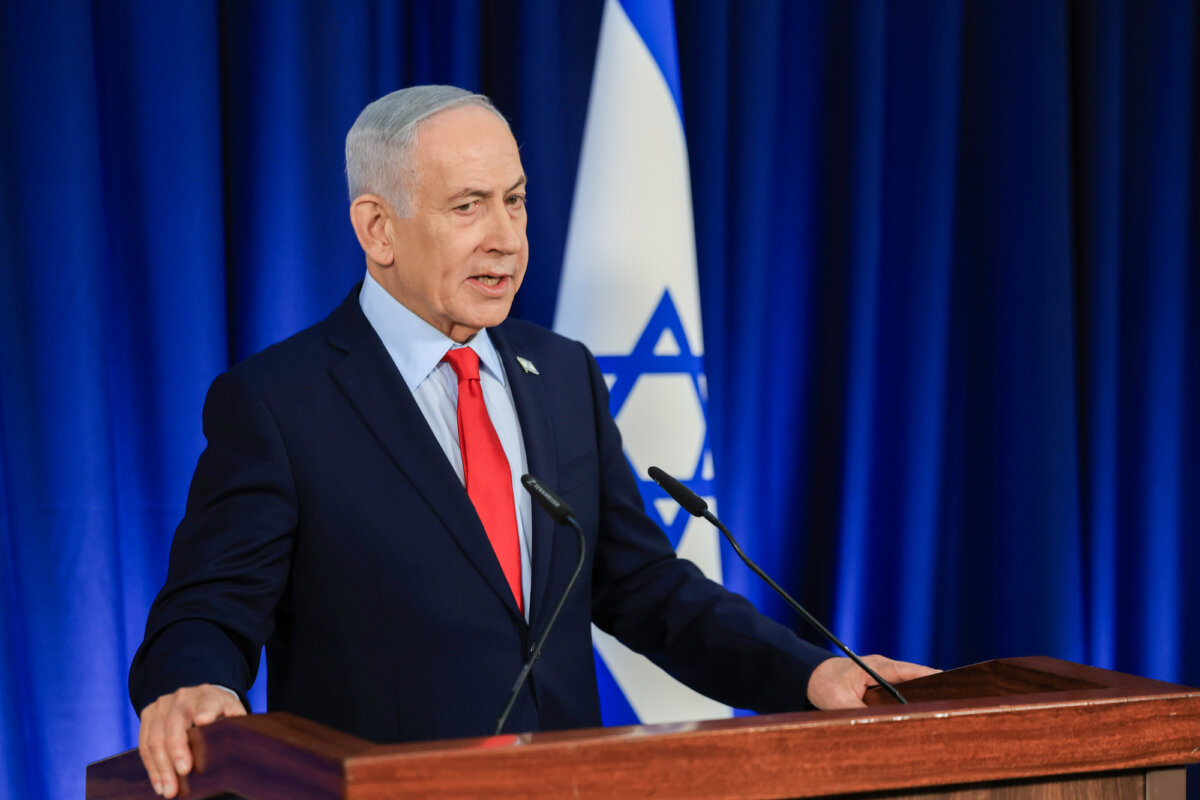
Israeli Prime Minister Benjamin Netanyahu’s office said in a statement on X that Israel backs the cease-fire provided Iran immediately opens the Strait of Hormuz and halts attacks on the United States, Israel, and regional partners.
It added that the pause does not extend to Lebanon, where Israeli forces continue operations against Hezbollah, and reiterated support for U.S. efforts to ensure Iran no longer poses nuclear or missile threats.
Despite the diplomatic momentum, military developments on the ground suggest the truce remains fragile.
Israel’s military said in an April 8 post on X that it carried out extensive overnight strikes across Iran targeting missile launch infrastructure before halting operations in line with political directives, and remains on high alert for any violations.
The ongoing Israeli ground operations in Lebanon could also emerge as a point of contention in the upcoming talks, with Iran’s 10-point proposal for a lasting peace settlement calling for a cease-fire on all fronts, including in Lebanon.
Iran’s Supreme National Security Council, in a statement carried by state-affiliated media, said talks in Islamabad would focus on hammering out a final peace deal, while stressing that the war is not formally over and expressing “complete distrust” of the U.S. side in talks.
Trump has said that the temporary pause in fighting allows time to finalize a broader agreement, describing Iran’s proposals as a “workable basis” for negotiations.
In an April 8 post on Truth Social, Trump described the developments as a “big day for World Peace.” He said there would be “lots of positive action” going forward, including “big money” to be made from the resumption of shipping traffic through the Strait of Hormuz, which would help with Iran’s reconstruction.
Trump said the U.S. military would remain in the vicinity to “make sure that everything goes well,” while expressing confidence that it would.
“Just like we are experiencing in the U.S., this could be the Golden Age of the Middle East!!!” he added.
 Friends Read Free
Copy
Facebook
Tweet
Friends Read Free
Copy
Facebook
Tweet