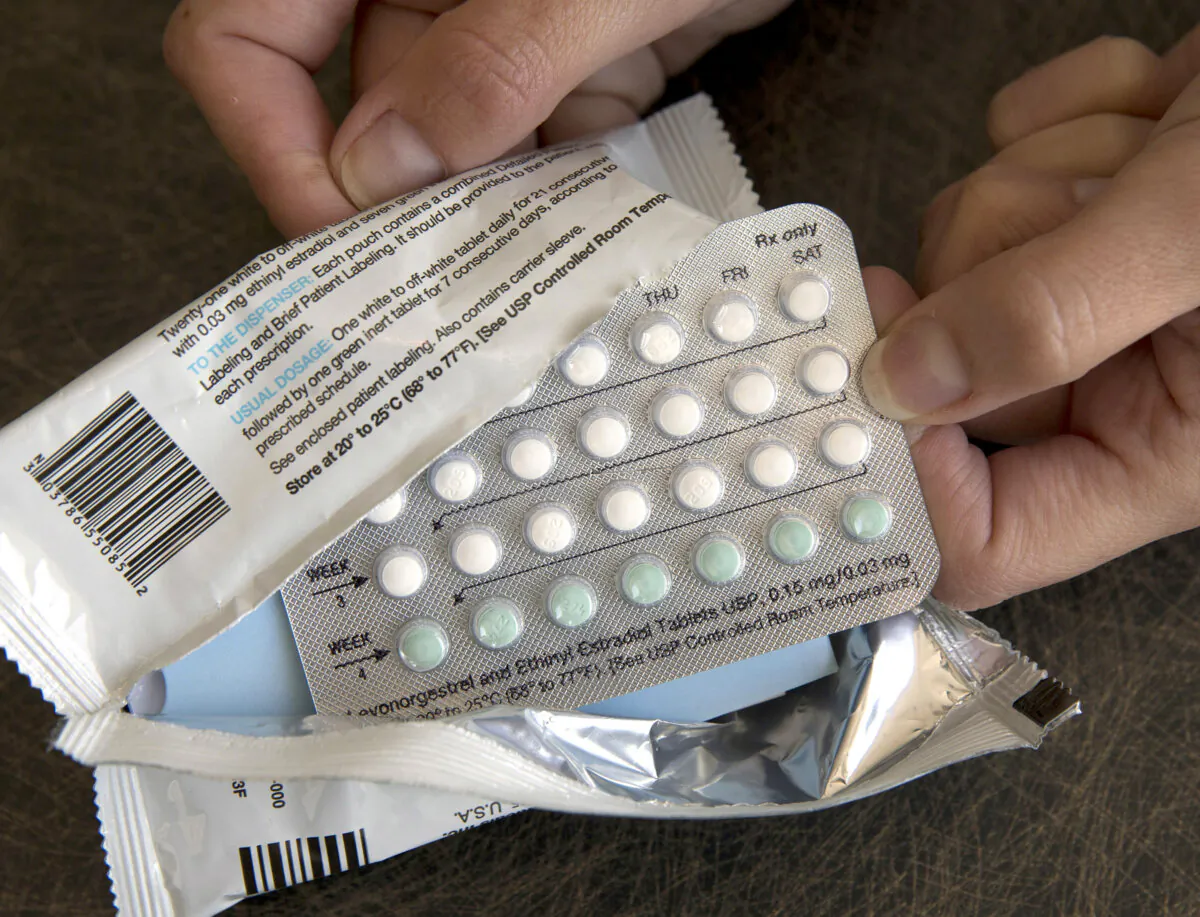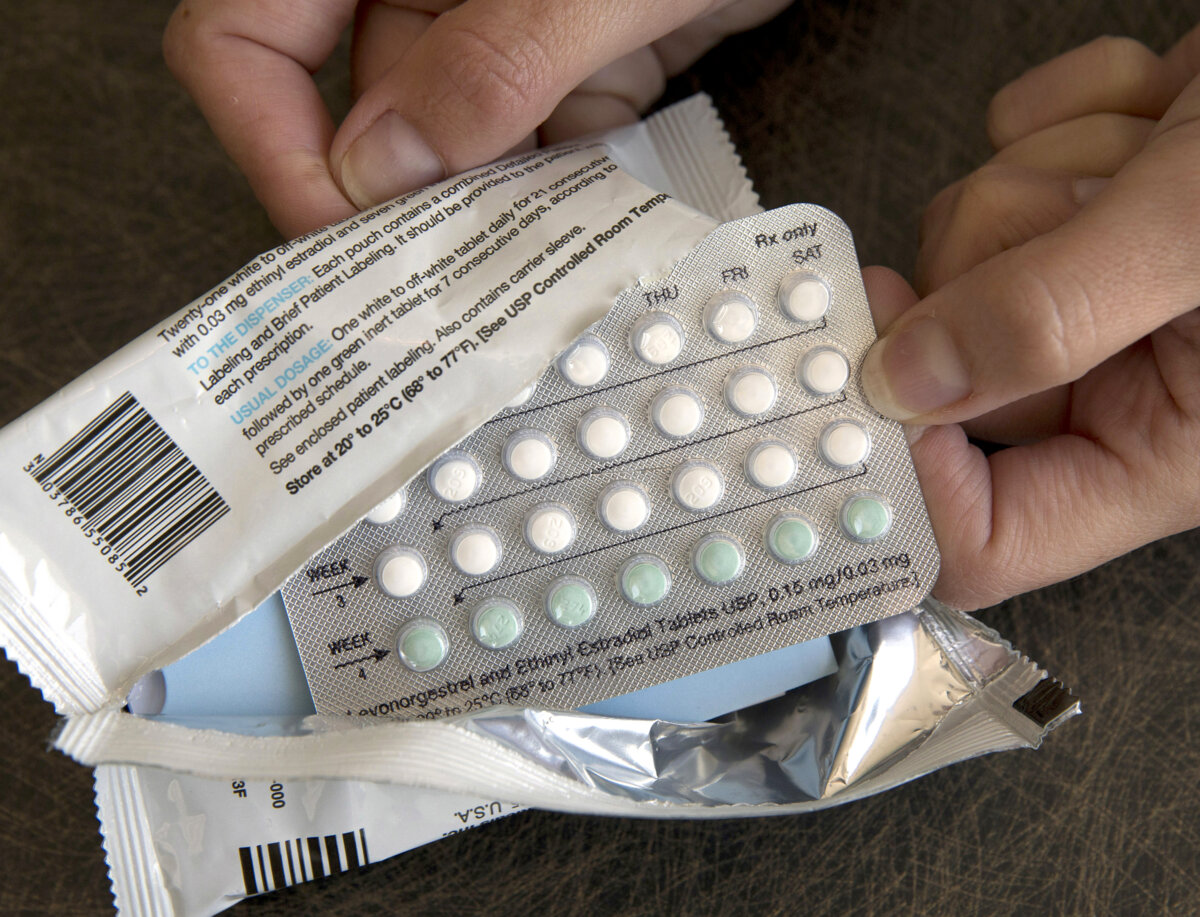

Bayer Pharmaceuticals has agreed to pay a $9 million settlement to resolve a long-standing Canadian class-action lawsuit filed by women who developed blood clots and gallbladder disease after using Yasmin or Yaz birth control.
The settlement was finalized in a Saskatchewan court this spring after roughly 15 years of litigation on behalf of the women who became ill or died after using one of the popular contraceptives.
Saskatchewan Court of King’s Bench Justice Rochelle Wempe called the road to settlement “protracted” and “hard-fought” in her recently published decision.
The initial statement of claim was filed in Saskatchewan in 2009 and, by 2013, Health Canada had received reports of at least 23 women dying after using one of the two types of birth control pills. The department had also received more than 300 reports of adverse reactions, which included fainting spells, non-fatal pulmonary embolisms, and blood clots in the legs.
Additional claims from Ontario and Quebec followed on the heels of the Saskatchewan claim and it received certification as a multi-jurisdictional class action in October 2018.
The class action alleged Bayer, the manufacturer of the oral contraceptives Yasmin and Yaz, acted negligently in its marketing and distribution of these products, failing to provide sufficient warnings regarding the risk of serious side effects.
The lawsuit pursued damages for the girls and women who took Bayer’s Yaz or Yasmin birth control pills and experienced blood clots and gallbladder disease. The estates or families of the women who died are also included in the claim.
Wempe said she approved the $9 million settlement because she found it to be “fair, reasonable and in the best interests of the class.”
“No amount of compensation will compensate Settlement Class Members for their injuries, related emotional trauma and expenses,” she wrote. “However, settlement is a compromise that reflects the risks, delay and expense of continuing litigation.”
She said that there would be “significant hurdles” involved in proving the case, adding that there was a “real risk that a court adjudicating the matter could find in favour of the defendant.”
Settlement
Bayer, which is best known for inventing Aspirin, finalized the deal with the plaintiffs last summer, and courts in Ontario and Quebec have already approved the settlement.
It allocates $8.1 million in compensation to the women and their families, although part of the funds were set aside for legal and administrative costs. Attorneys representing the plaintiffs across the three provinces will receive a 30 percent share of the money.
Saskatchewan counsel will receive more than $1 million in legal fees, expenses and additional disbursements, the document said. Lawyers in both Ontario and Quebec will receive similar compensation and another $905,000 will go to provincial health insurers in the three provinces based on the distribution of the products by province.
Projected payouts, dependent on claim volume, include $500 for gallbladder disease, and up to $13,500 for fatalities, according to a post by McKenzie Lake Lawyers, one of the law firms involved in the class action.
Eligible individuals need to submit medical records and product identification evidence, such as pharmacy records, once the claims process opens. Updates are available via the official class action website.
Bayer and its subsidiaries have agreed to pay the settlement, but continue to deny any wrongdoing.
 Friends Read Free
Copy
Facebook
Tweet
Friends Read Free
Copy
Facebook
Tweet