

Yemen’s internationally recognized government said that its air force carried out 20 airstrikes in the Taiz governorate, targeting Iran-aligned Houthi terrorist group positions.
On Oct. 2, the military spokesperson for the Yemeni government, Col. Abdul-Basit al-Bahr, said the operation achieved “direct hits” on Houthi “fighters, military equipment, and troop movements.”
The Taiz governorate is located in southwestern Yemen, near the Red Sea port city of Mocha.
Unchallenged control of Taiz would give the Houthis a tighter grip on the Red Sea coast and easier access to the southern port city of Aden, where the government is based.
Last month, the Houthis seized much of Yemen’s Red Sea coastline, strengthening their control over the Red Sea and the Bab al-Mandeb Strait, through which about 15 percent of global maritime trade has historically passed.
The Institute for the Study of War said in its Oct. 1 assessment that Houthi forces temporarily disrupted the primary ground supply route linking Taiz and Aden as part of efforts to isolate government-aligned forces defending Taiz.
The operation showed the Houthis’ ability to disrupt the route while continuing advances in northeastern and northwestern Taiz governorate, developments that could create additional challenges for government forces, according to the institute.
As the Houthis have continued their advances in Yemen, Saudi forces have responded with airstrikes and military operations.
Houthi military spokesperson Brig. Gen. Yahya Saree said on Thursday that the total number of Saudi-led airstrikes and missile attacks since the latest escalation began had reached 1,256.
Saudi Arabia also accused the Houthis of carrying out a Sept. 29 drone attack on the Taibah power distribution station in the holy city of Medina, which supplies electricity to the Prophet’s Mosque.
Saudi Arabia’s allies, including the Gulf Cooperation Council and its Mecca Defense Agreement partners, Turkey and Pakistan, condemned what they described as a Houthi attack on Medina.
Mohamed al-Bukhaiti, a member of the Houthis’ political bureau, told the Houthi-run Saba news agency on Thursday that Saudi Arabia’s allegations were false and intended to replace what he described as an earlier unsubstantiated claim that the Houthis had targeted Mecca.
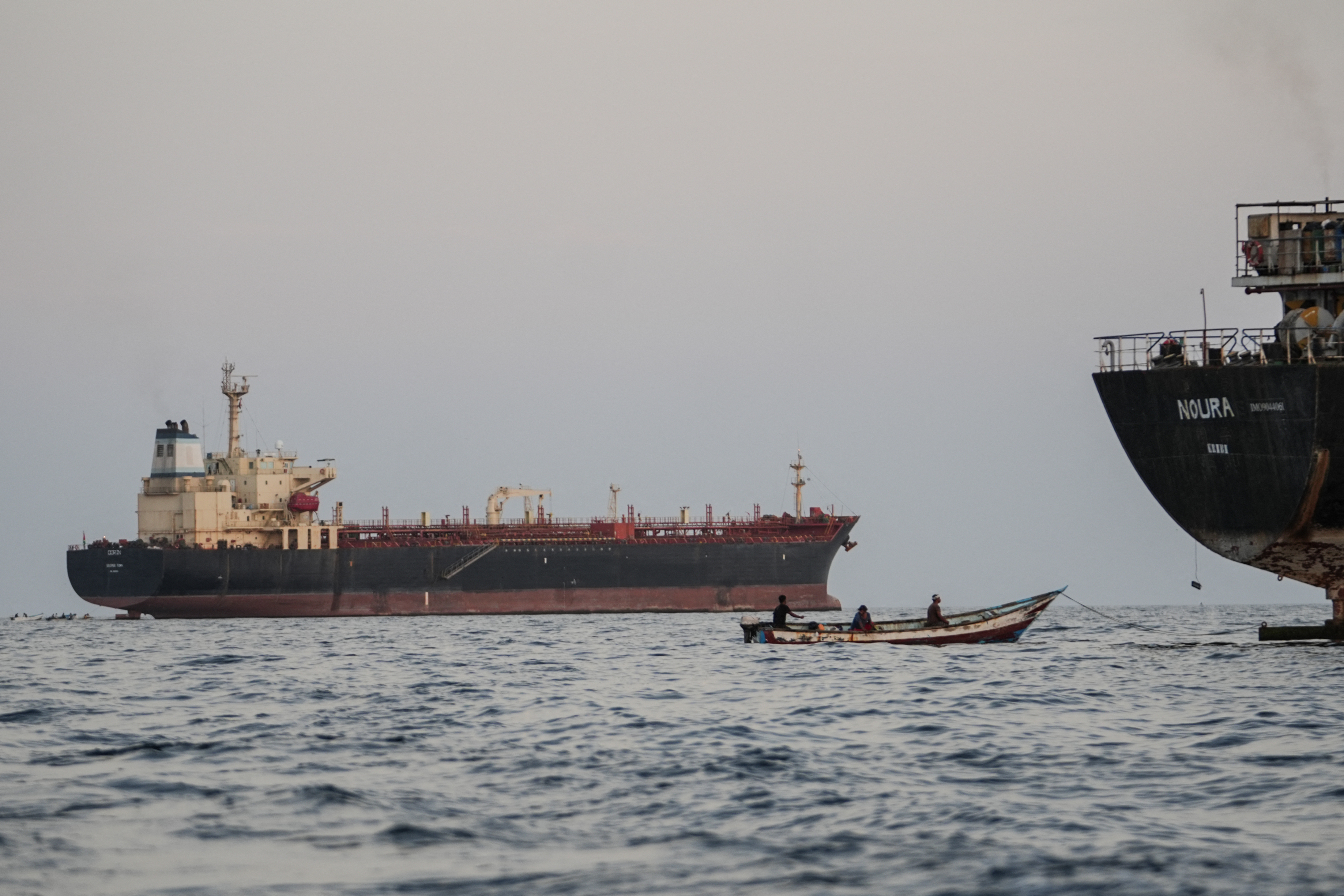 Commercial vessels are anchored off Yemen’s coast at Bab al-Mandeb, in the straits connecting the Red Sea with the Gulf of Aden and the Indian Ocean on Sept. 12, 2026. (AFP via Getty Images)
The United States and the Houthis remain bound by a ceasefire reached after Washington’s 52-day bombing campaign in March.
Israeli Officials on Broader Houthi Strategy
Senior Israeli security officials told Epoch Magazine Israel that elements within the Houthi leadership appear to be seeking direct negotiations with Saudi Arabia by increasing military pressure rather than pursuing a settlement with the Yemeni government.
This arrangement could reduce attacks against the Houthis while helping consolidate the group’s control over territory already under its authority, the officials said, adding that this could lay the ground for an independent or semi-independent Houthi entity.
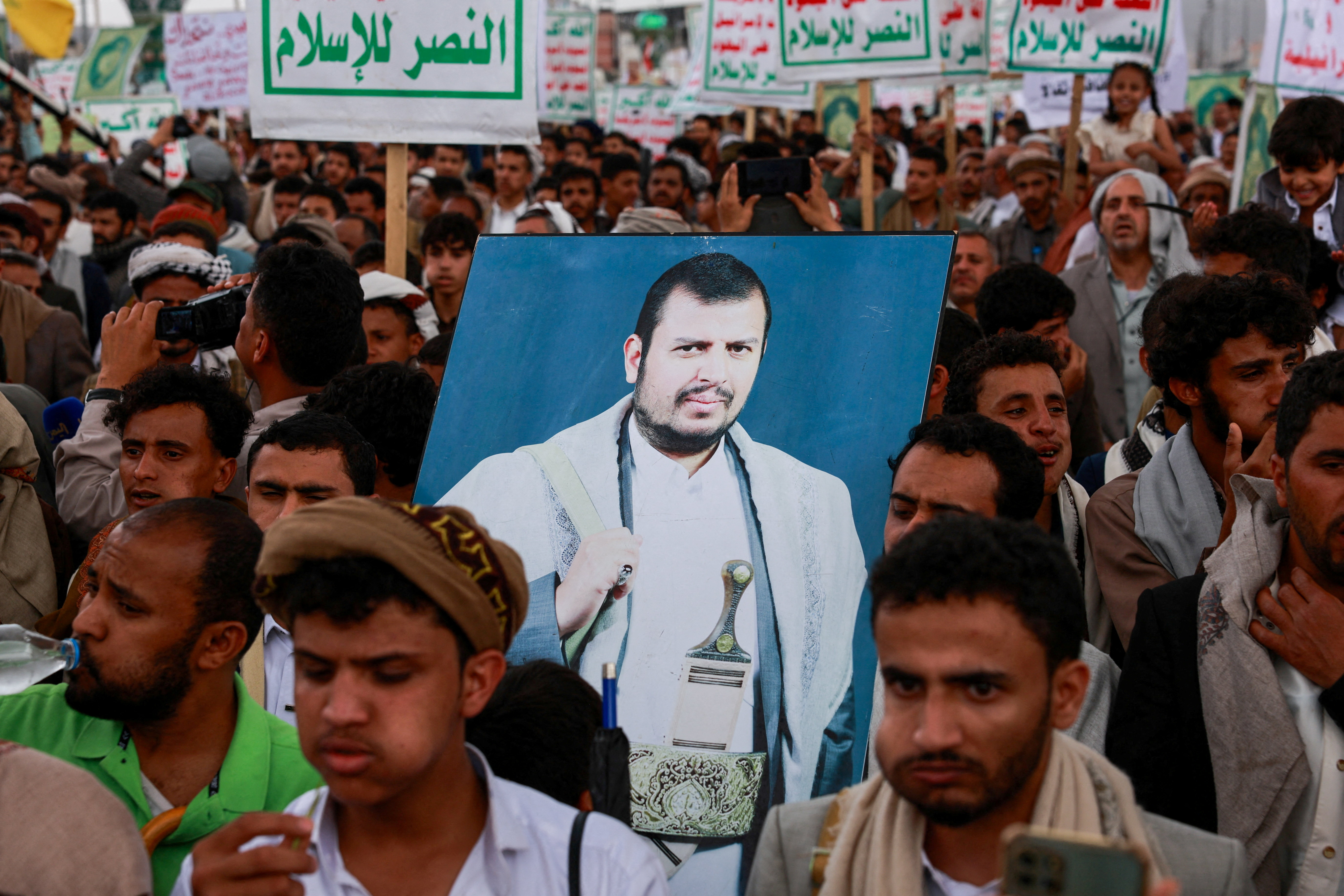 Houthi supporters hold a poster of Houthi leader Abdul-Malik al-Houthi during an anti-Saudi rally amid an escalation with the kingdom, in Sanaa, Yemen, July 31, 2026. (Khaled Abdullah/Reuters)
They added that the United States continues to maintain communication channels with the Houthis, which they said could facilitate direct Saudi–Houthi dialogue.
 Friends Read Free
Copy
Facebook
Tweet
Friends Read Free
Copy
Facebook
Tweet