
News Analysis
It took a little while, but the GOP 2024 presidential field has suddenly and dramatically expanded.
In a matter of days, Sen. Tim Scott (R-S.C.) and Florida Gov. Ron DeSantis officially joined the 2024 Republican presidential field, ending months of hints and speculation.
Virginia Gov. Glenn Youngkin, New Hampshire Gov. Chris Sununu, and others could soon start campaigns, too.
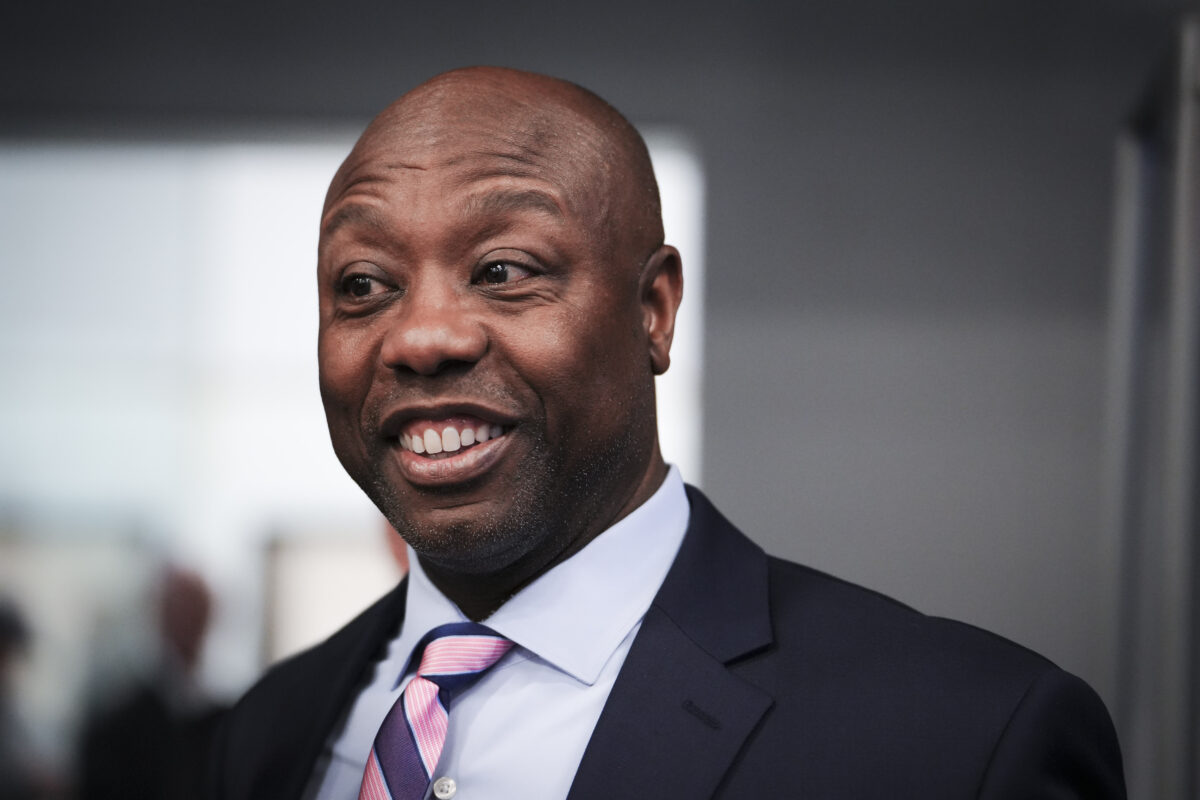
On May 26, NBC and other sources reported that North Dakota Gov. Doug Burgum is readying a bid for 2024, citing comments from an unnamed aide. A source familiar with the matter confirmed that report to The Epoch Times.
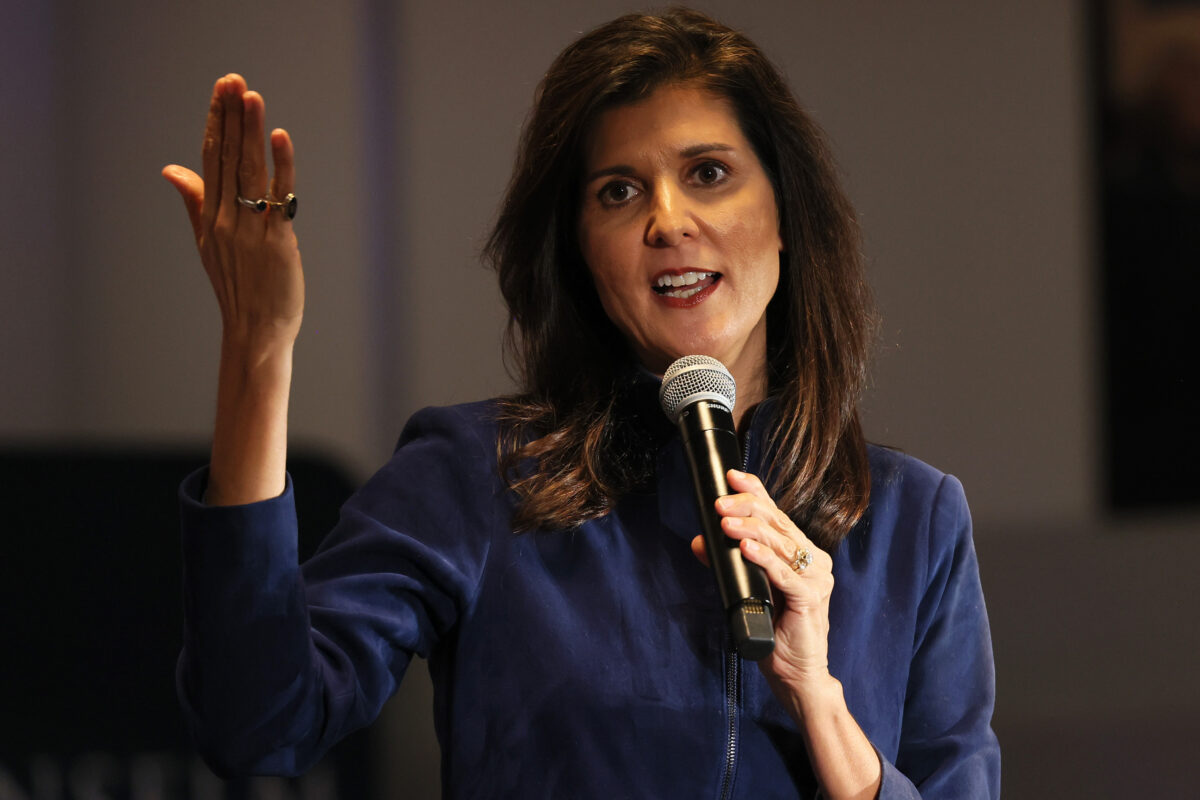
Former President Donald Trump remains the clear front-runner, and former South Carolina Gov. Nikki Haley, biotech entrepreneur Vivek Ramaswamy, businessman Perry Johnson, and others have also entered the race.
Trump, DeSantis, and the Rest
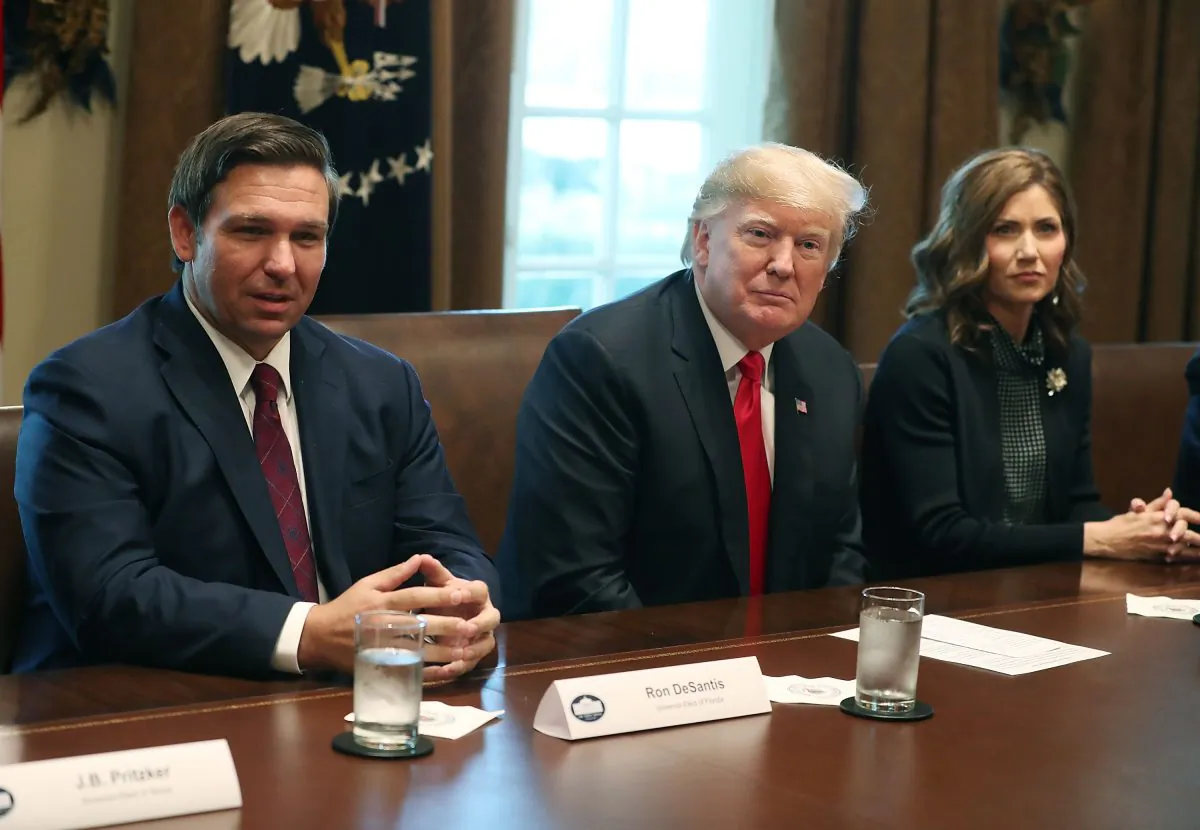
Trump and DeSantis backers see the crowded field differently, but activists and major scholars of history and politics seem to agree that the growing field likely works to the former president’s advantage; a race that could have been defined as “Trump versus DeSantis” is growing more chaotic by the day, preventing Trump’s opposition from unifying against him.
“We’re going to have an absolute clown show of a primary,” Alex Bruesewitz, a Trump-aligned consultant, told The Epoch Times on May 25.
He argued that the announcements from Scott and DeSantis have set the stage for more pols to rush in where many have so far feared to tread.
In his judgment, that’s down to DeSantis’s falling poll numbers in the past several months.
Bruesewitz claimed that DeSantis wouldn’t be up against so many possible rivals “had he kept the momentum that he had in mid-January.”
“It’s clear that DeSantis is a huge threat to Trump,” Elon Gerberg, a DeSantis advocate, told The Epoch Times on May 26.
Gerberg is the founder of the parental rights group Florida Fathers for Freedom.
“I started a whole organization trying to get dads to the forefront,” he said, citing the mask mandates in schools as a trigger for his activism. DeSantis, a relatively early leader against pandemic-era restrictions on liberty, helped create the context for the conservative activism now flourishing in the Sunshine State.
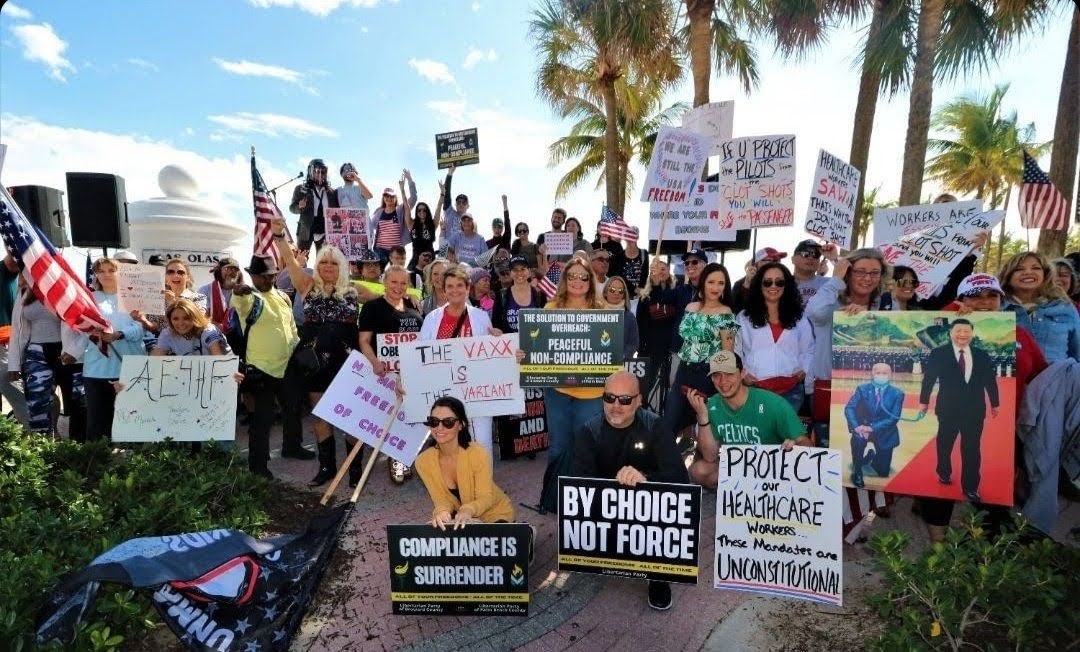
He argued that the contest will have to come down to Trump versus DeSantis.
“I personally don’t think any of these other candidates have a shot,” Gerberg said.
“I’m not even sure if [DeSantis] can beat [Trump],” he added.
The Epoch Times contacted one of the other candidates, Johnson, for a different perspective.
A quality assurance guru who previously sought Michigan’s Republican nomination for governor, Johnson’s biggest claim to credibility so far is his third-place showing in a CPAC straw poll.
“Voters are open to political outsiders like Perry Johnson,” Elizabeth Stoddart, Johnson’s communications manager, wrote in a May 26 email to The Epoch Times.
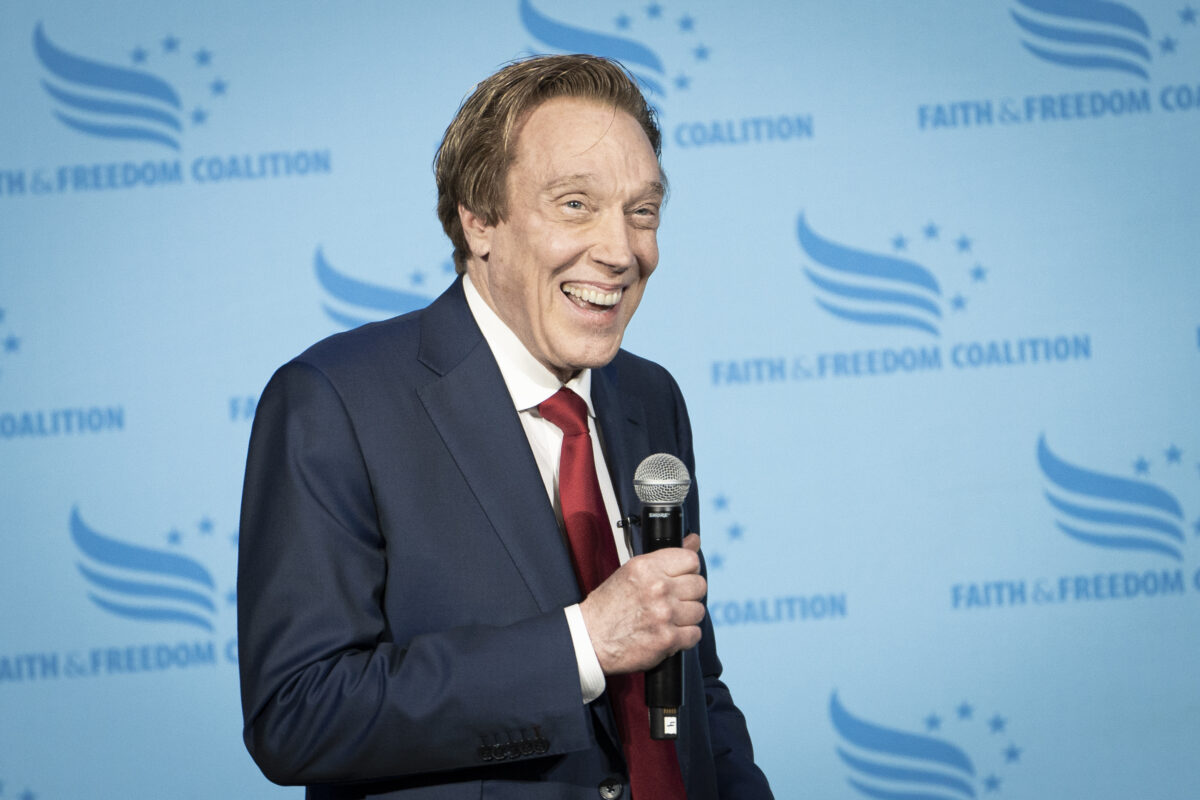
Stoddart didn’t explicitly call out Trump, but she did DeSantis, whom Johnson criticized for not appearing at the Iowa Faith and Freedom Coalition meeting in late April.
Ramaswamy, dubbed “Trump’s press secretary” by a pro-DeSantis Twitter account, and other candidates facing a very pro-Trump base generally avoid criticizing the former commander in chief.
Simply put, Republicans gunning for the 2024 slot can’t afford to scorn MAGA–and with his poll numbers down, DeSantis is an easier target than ever.
Parallels From History
“The front-runner is always the beneficiary of a crowded field,” Craig Shirley, a political consultant and presidential historian who’s written four books about Ronald Reagan, told The Epoch Times on May 25.
“Reagan faced a crowded field in 1980, and he was not polling as high as Trump is.”
While Shirley argued that 1980 is a good point of comparison for 2024, Larry Bartels, a presidential primary scholar, referred The Epoch Times to a more recent contest—the one that preceded Trump’s election.
“I think the best historical analogy is the 2016 Republican primary race,” Bartels, a political scientist at Vanderbilt University who has studied presidential caucuses and primaries for decades, wrote in a May 25 email.
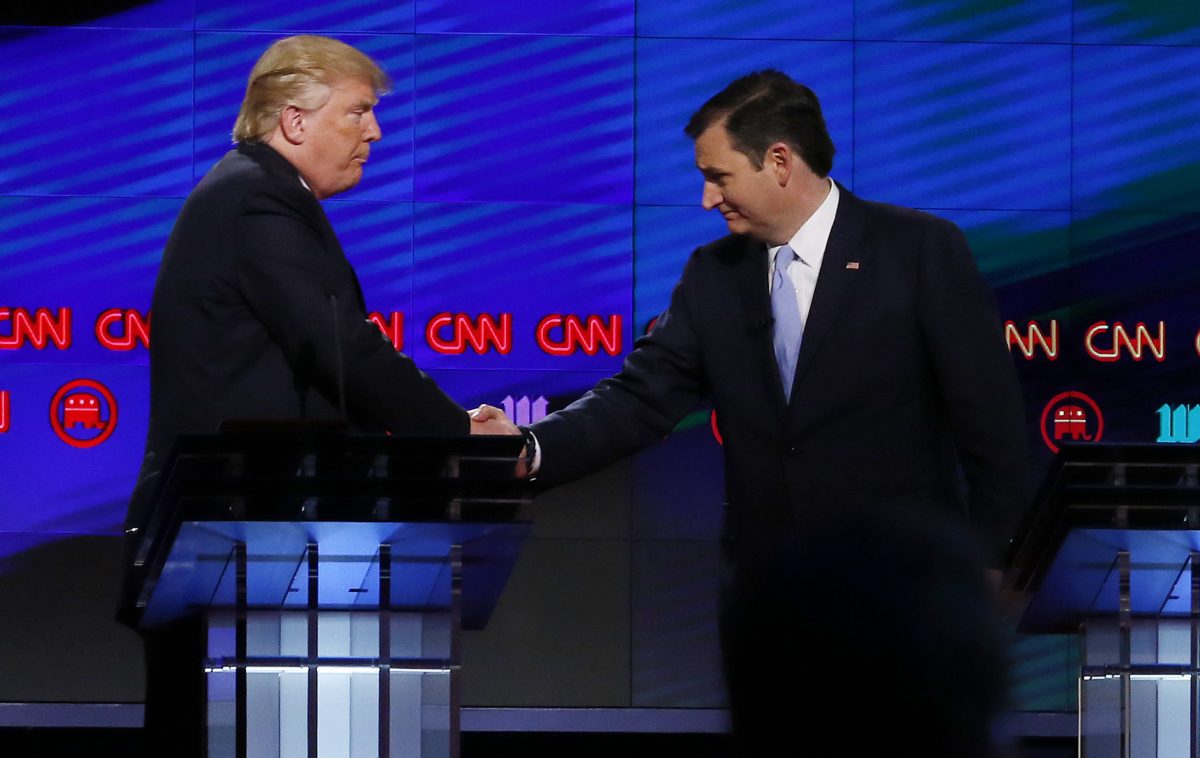
“Donald Trump had the support of a substantial faction but less than a majority. He won because the rest of the party could not agree on an alternative candidate (Bush, Rubio, Cruz) quickly enough to produce a clear head-to-head matchup between Trump and someone else.”
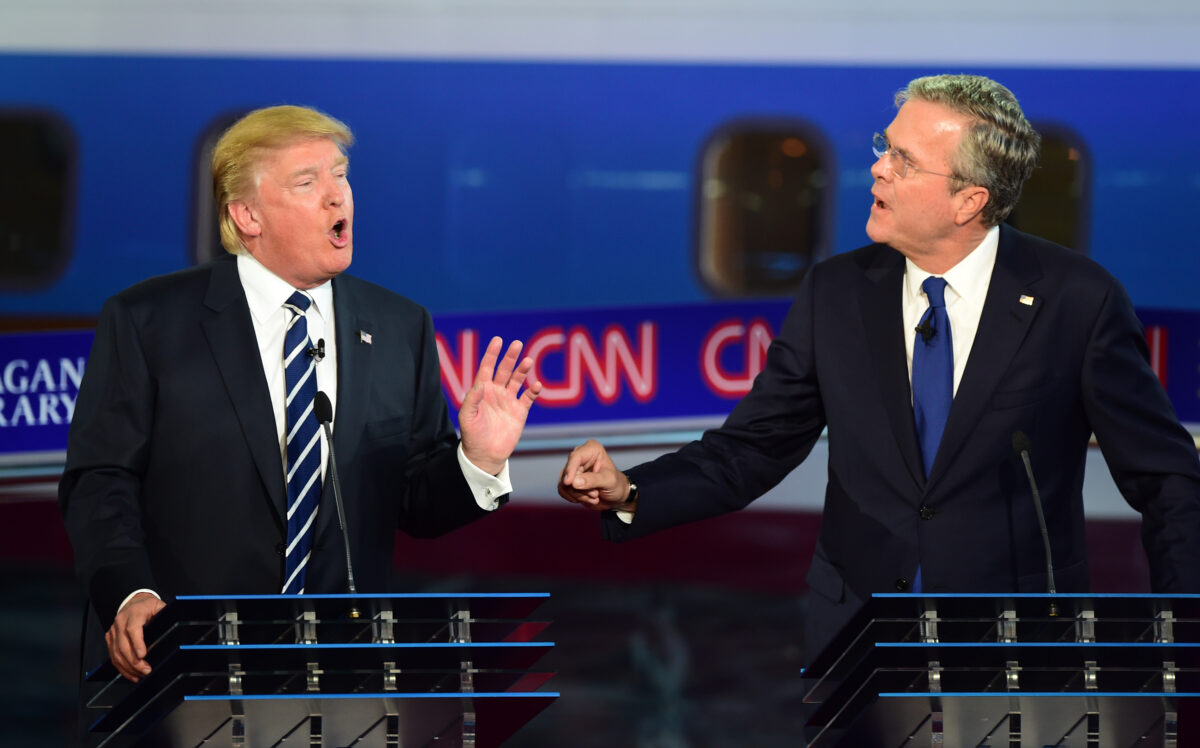
“The more opponents there are, the better off he [Trump] is,” Thomas Patterson, a political scientist at the Harvard Kennedy School, told The Epoch Times on May 26.
“The other candidates really need to take this down to a ‘Trump versus Them,’ one-on-one [contest],” he added, stating that the votes in serious contention are those of people who already oppose Trump.
Patterson, an expert on the relationship between government and the press, referenced one obvious impediment to Trump’s challengers—the extraordinarily large and loyal MAGA base. Yet he cautioned that unfavorable legal decisions on Trump-related cases or other developments could cut into it.
He said he believes that the large field might not make much of a difference to the race as a whole unless the GOP remains divided into its national convention.
“There’s no question that Bernie Sanders hurt Hillary Clinton’s chances in 2016,” Patterson said.
Sanders claimed 46 percent of the nomination vote in Philadelphia that year, narrowly losing to the ex-senator from New York.
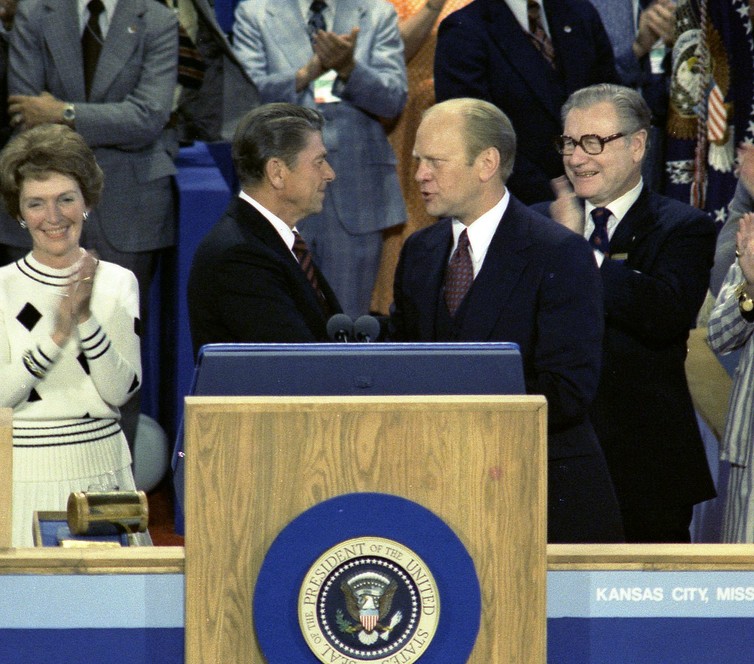
Patterson also cited Ted Kennedy’s run for the Democratic nomination against incumbent President Jimmy Carter in 1980 and Ronald Reagan’s challenge to incumbent President Gerald Ford in 1976. In both cases, a hard-fought primary season battle was followed by failure in the general election.
The size of the field matters less than “how deep the hostilities go,” Patterson said.
Gerberg, for his part, said that a DeSantis nomination could alienate voters “who are Trump First before they’re America First.”
“I don’t think it helps that either of them are attacking each other,” he continued, before adding that DeSantis has “taken the high road” when it comes to answering Trump.
Competition Mounts
Shirley explained why having many candidates could work in Trump’s favor.
“The anti-incumbents are divided. Plus, they are in competition for staff, press attention, and funding,” he said.
Shirley said he doesn’t think the increasing competition bodes well for President Joe Biden. The president has a national approval rating of 40 percent but just 33 percent when it comes to his actions on the economy, according to a recent poll from the Associated Press.
“An incumbent over 50 percent is almost impossible to beat. Many candidates in the field speaks volumes about how weak Biden truly is, and it gets each candidate into sparring shape, whipping them into fighting form for the fall campaign. Plus, it gets the party more ready for the fall election as they get volunteers, money, and material earlier for the fall contest. An early and vigorous party debate is good for all around,” he said.
In Shirley’s view, the growing field of Republican aspirants “simply means there are more Republicans to attack [Biden].”
“Competition is a good thing. That’s what America was built on,” DeSantis ally Gerberg said.
Trump booster Bruesewitz is more skeptical about the talk of intraparty competition.
“The people that are pushing that message are all DeSantis allies or DeSantis personalities,” he said.
Bruesewitz alluded to claims that “iron will sharpen iron” in the upcoming primary season.
“I don’t think DeSantis is iron,” he said, arguing that Sen. Ted Cruz (R-Texas) offered stiffer competition against Trump in 2016.
The legacy media may not go as easy on Florida’s governor as some hope. Over the past few months, various articles have already asserted that DeSantis is somehow “worse” than Trump.
Bruesewitz argued that DeSantis won’t stand up to pressure from Democrats.
The former president, meanwhile, shines brightest in the crucible of competitive campaigning and debate.
Patterson suggested that Trump’s famous verbal agility could allow him to outmaneuver the Florida governor.
“It shouldn’t be relevant, it shouldn’t make any difference, but Trump has a really remarkable way of making physical characteristics and other things stand out,” he said.
“He’s been hacking away at [DeSantis’s] smaller height.”
The Mantle of ‘Moderate’
While Bartels sees DeSantis as a stronger contender than Trump’s 2016 GOP competition, he made it clear that the Florida governor still has a lot to prove.
“He is inexperienced in national politics, and it remains to be seen whether he will sideline the other non-Trump candidates quickly enough to force a clear head-to-head matchup with Trump (which he would probably but not certainly win),” he wrote.
“If DeSantis falters, it will be harder (though not impossible) for Scott or Haley or someone else to consolidate enough support quickly enough to force a clear head-to-head matchup with Trump.”
Susan MacManus, a political science professor emerita at the University of South Florida, had a more positive take on Scott and DeSantis.
“These two candidates are relatively new faces and are from younger generations, in sharp contrast to Biden and Trump,” she told The Epoch Times in a May 26 message.
Gerberg suggested that DeSantis “can win over a lot more moderates” than Trump and questioned why the ex-president was suddenly “coming from the left” on issues such as abortion.
“DeSantis I don’t think is particularly astute,” Patterson said, referring to the governor’s fights on Disney, abortion, and other so-called culture war issues.
He said that stances that can deliver wins in Florida may not play so well in other states.
Yet, despite his skepticism, he isn’t prepared to rule out a DeSantis victory.
“It’s really early,” Patterson said.
The Path to Power
Multiple insiders and analysts who spoke with The Epoch Times agreed that the men and women now running aren’t merely angling for the vice presidency, a Cabinet position, or some other consolation prize.
“Each of these candidates looks in the mirror every morning and thinks they see a president,” Shirley said.

As far as the general election is concerned, Bartels said he expects a result that isn’t unusual by recent historical standards.
“The national division between Republicans and Democrats has been consistently close for the past quarter-century. An overwhelming majority of Republicans will support their party’s nominee, whoever that is, and an overwhelming majority of Democrats will support Joe Biden, regardless of concerns about his age or running mate (almost certainly Kamala Harris) or anything else,” he said.
“If I had to bet right now, I’d say a very slight edge for the Democrats, but the only outcome that would shock me is a landslide for either party.”
Shirley sounded more optimistic about Republican prospects now that the competition is heating up.

“In 1980, the early contest helped Ronald Reagan get into fighting form for the fall contest against Jimmy Carter.”
 Friends Read Free
Copy
Facebook
Tweet
Friends Read Free
Copy
Facebook
Tweet