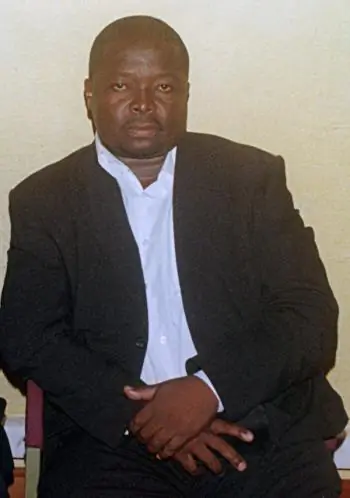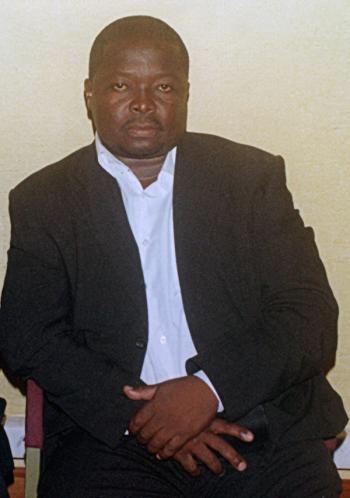
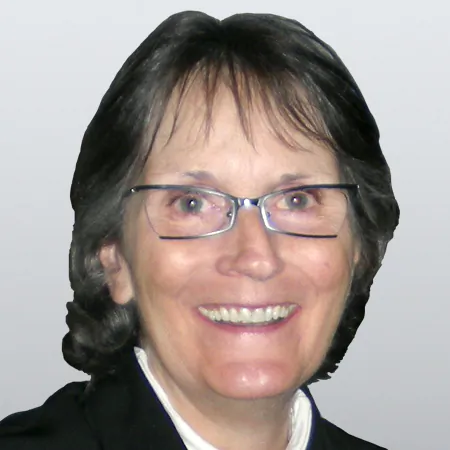
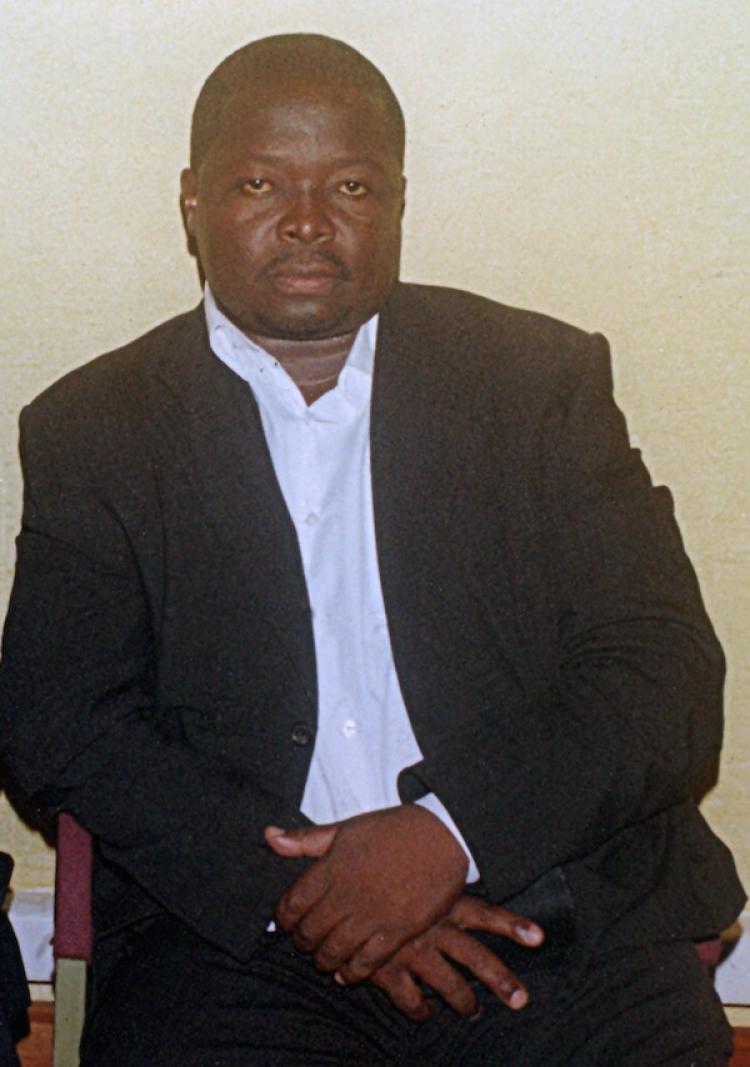
The journalists—Serge Sabouang, publisher of La Nation, and Robert Mintya, editor of Le Devoir, two Cameroon newspapers—were released by order of Cameroon President Paul Biya on Nov. 24. The men had been accused of possessing documents compromising two key figures in Cameroon. Bibi Ngota, another journalist arrested at the same time, died in prison in April.
“We have CJFE to thank. Their recognition of the case contributed directly to the liberation of Serge and Robert. It is a victory,” says Ngota’s sister Thérèse Tchoubet, who traveled to Toronto to accept the award on behalf of the three men.
While granting the award played a big part in putting the issue in the international spotlight, CJFE Manager Julie Payne says other press freedom advocates were also involved in the effort to gain the release of Sabouang and Mintya.
The journalists were arrested in February after obtaining a leaked government document allegedly implicating presidential adviser Laurent Esso in corruption. They were accused of forging Esso’s signature and using it in an attempt to discredit him.
Their release is conditional however, and CJFE is urging the government to drop all charges in recognition that they “were simply doing their jobs as journalists and have committed no crime.”
“The state of press freedom in Cameroon has been deteriorating over the last few years and it's really concerning,” says Payne, adding that CJFE believes Ngota died due to the appalling conditions in the prison and a lack of medical attention.
CJFE’s International Press Freedom Awards are given annually to honor journalists who have shown great courage and have overcome enormous odds in order to produce the news.
Also awarded were Mexican journalists Luis Najera and Emilio Gutierrez, both of whom fled their country in fear for their lives and are now living in Canada and the United States respectively.
Najera and Gutierrez worked in Ciudad Juárez, Mexico’s epicenter for drug cartels known as Murder City. According to Reporters Without Borders, Gutierrez is the first Mexican reporter to seek political asylum in the United States.
Payne says 13 journalists have been murdered in Mexico so far this year, making it the highest rate for any country.
“This is a country that is one of Canada’s trading partners and which is regarded as a democracy and yet you’ve got the worst kill-rate of journalists in the world.”
CJFE’s Vox Libera award went to the University of Toronto’s Citizen Lab for uncovering Internet espionage and censorship around the world, and its work to safeguard the Internet as an open commons.
Citizen Lab made international headlines earlier this year after it uncovered that over 1,000 computers in 103 countries—including those of embassies, government agencies, and the Dalai Lama’s desktop—had been compromised by a virus originating from servers in China.
 Friends Read Free
Copy
Facebook
Tweet
Friends Read Free
Copy
Facebook
Tweet